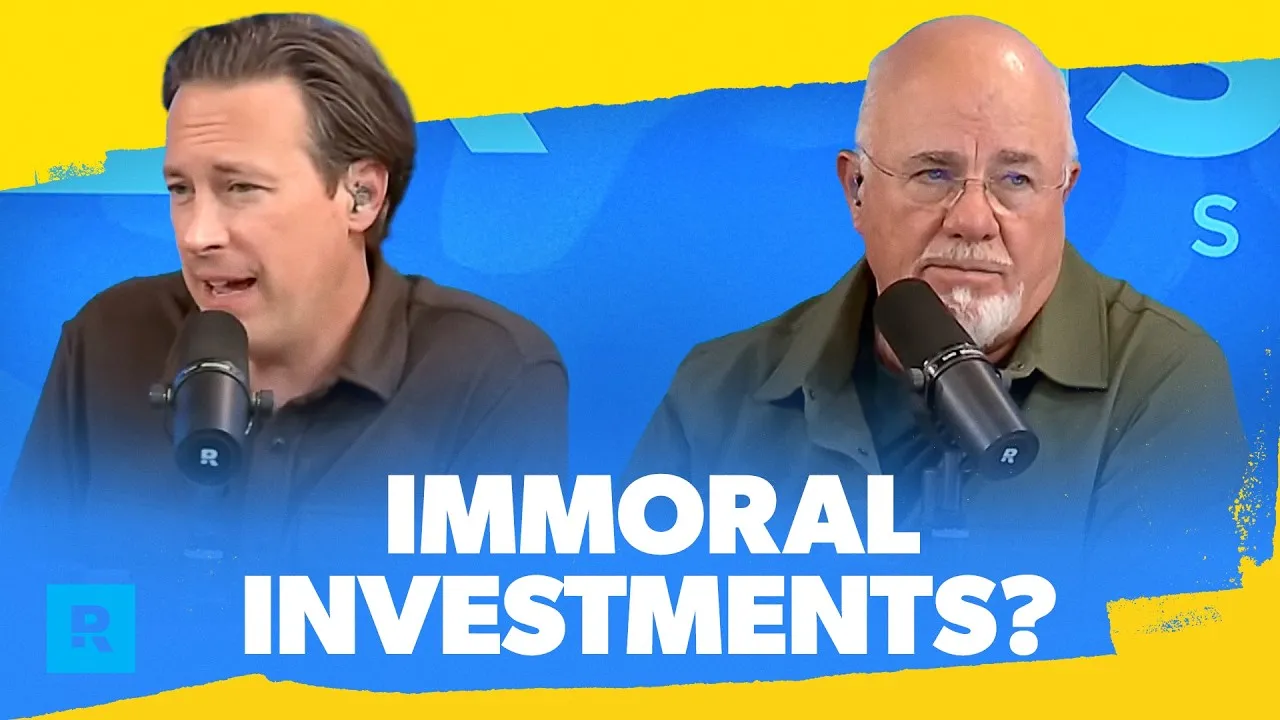
Ethical Investing Debated: Stocks and Bank Deposits Under Scrutiny
Many people grapple with the morality of their investments, especially when using faith-based principles. Common ways of earning money, like having a job or selling a product, feel straightforward. However, indirect methods such as investing in stocks or placing money in bank accounts can raise ethical questions. Investors wonder if they are profiting without actually creating anything of value or if their money is being used in ways they wouldn’t approve of.
Understanding Investment Ethics
A common concern is that buying and selling stocks feels like profiting from a transaction rather than from generating real value. With bank deposits, it’s often unclear how the bank uses the deposited funds. This leads some to question if certain investment strategies align better with their moral or religious convictions.
“I do think you’re overthinking it, but I don’t take a shot at you there. I think, you know, you’ve got a great heart. Uh, I think you’ve got to use God-given common sense and then also that still small voice of discernment.”
Experts suggest that for most everyday banking and investing, guilt is unnecessary. The key is to use common sense and a sense of discernment. The focus should be on avoiding direct involvement in dishonest or harmful activities. If an investment strategy does not involve schemes like Ponzi schemes or outright dishonesty, it’s likely acceptable.
Bank Deposits and Your Money
When you deposit money into a bank and earn interest, you are not inherently harming anyone. It’s impossible to control every action a bank might take with your money. This is similar to buying groceries; the grocery store has your money after the purchase, but you are not responsible if they later engage in unethical practices. If a bank has a reputation for mistreating customers and you knowingly deposit your money there, then you might be seen as participating in their harmful actions. However, simply depositing money into a standard bank account does not make you responsible for the bank’s broader business dealings.
The Nuances of Stock Investing
Buying stock in a company, especially on the open market, is often misunderstood. When you buy stock from another investor, the company itself does not receive any of the money. For example, if you buy shares of Home Depot from another person, Home Depot doesn’t get a cent. This is like buying a used car; the car manufacturer doesn’t benefit from that sale. Therefore, even if the company you invest in engages in practices you disagree with, your individual stock purchase isn’t directly funding those activities.
The profit you make when a stock’s price increases is a benefit. If that increase is due to the company’s unethical actions, then you have benefited from those actions. However, the initial purchase of the stock, in most cases, is a transaction between individuals, not between you and the company. This detail is crucial for understanding the ethical implications of stock ownership.
Setting Ethical Boundaries
It’s important to be realistic about how deeply one can trace the ethical implications of every transaction. In the modern marketplace, it’s nearly impossible to engage in any economic activity without some connection, however distant, to something one might find objectionable. The critical questions become:
- What level of control do I have over how my money is used?
- Is my primary intention to profit from harmful activities?
For instance, engaging with payday lenders who charge extremely high interest rates and target vulnerable people is something many would avoid. Directly profiting from such predatory practices would be ethically questionable for someone with strong moral convictions. However, using a grocery store that might sell products you don’t agree with is a different level of involvement.
Finding Balance in Investing
Constantly scrutinizing every possible ethical connection can become overwhelming and lead to unnecessary stress. A balanced approach involves dedicating a reasonable amount of time to ensure your financial activities align with your core values. The goal is to avoid actions that would make you feel deeply uncomfortable or go against your fundamental beliefs. It’s about ensuring you are not intentionally profiting from evil actions. However, it’s also important not to withdraw entirely from participating in the economy in a positive way, which can include helping others and enjoying the fruits of your labor.
The ultimate decision rests on personal conviction and discernment. While it’s wise to be mindful of the impact of your financial decisions, it’s also important to avoid overthinking to the point of inaction. A practical approach allows for participation in the economy while maintaining ethical integrity.
(Note: This article discusses general financial and ethical considerations. For specific advice regarding defaulted private student loans, resources like yrefi.com/ramsey are available.)
Source: I'm Worried My Investments Might Be Immoral (YouTube)