iPhone’s Social Edge Wins Over Android Convert
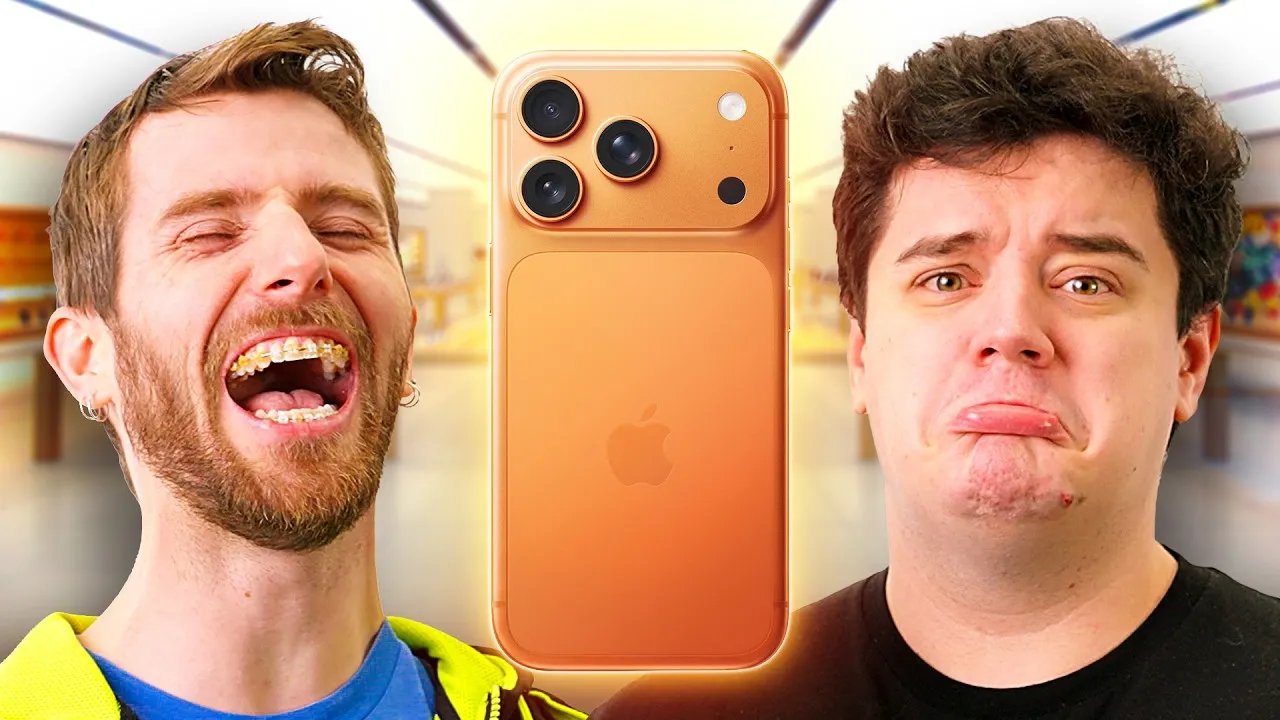
In a surprising turn of events, one tech enthusiast has publicly declared their allegiance to Apple’s iPhone, even after a series of frustrating setup issues and the recent unveiling of highly anticipated Android devices. The decision, fueled by a desire for a “fresher” experience and a surprisingly deep appreciation for the iPhone’s social ecosystem, marks a significant moment for those who champion the Android platform.
The Unfortunate Timing
The narrative begins with a tale of unfortunate timing. Our protagonist, having recently purchased an iPhone 17 Pro Max, found themselves in a predicament. Just two weeks prior to their purchase, Google announced that Pixel phones would gain AirDrop-like functionality, making cross-platform sharing more seamless than ever. To add insult to injury, the Samsung Foldable device they had eagerly awaited for four years finally launched shortly after. Despite these setbacks and the admitted frustration of a lengthy 48-hour setup process, the user stands by their decision.
Beyond the Surface: Quality of Life Features
While acknowledging Apple’s business practices are not without their critics, the user highlights that the appeal of the iPhone extends far beyond superficial elements like bubble colors. They’ve found themselves genuinely appreciating certain quality-of-life features that have made the transition worthwhile, and express that it will be a difficult task for Android to win them back, even with the announcement of their dream Android device coming out so soon after their iPhone purchase.
The TwitchCon Catalyst: Networking Woes
A pivotal moment that pushed the user towards the iPhone occurred at TwitchCon. Despite their previous OnePlus 11 being a capable device, the user found their Android phone hindering their networking efforts. The awkwardness of having to ask for phone numbers instead of using a quick file-sharing method like AirDrop was palpable. While they explored workarounds, such as setting their wallpaper to a Discord QR code, even that proved inconsistent. The user notes that in the current social climate, especially among younger demographics, relying on less ubiquitous methods felt like a burden.
The iPhone Experience: Setup and First Impressions
The setup process for the iPhone 17 Pro Max was far from smooth. The user recounts a grueling 48-hour ordeal with the “Move to iOS” app, citing issues like overheating Android phones, dead batteries during transfers, and the app getting stuck for hours. While some suggested this was a “skill issue” or fabrication, the user points to the fragmentation of the Android ecosystem as a potential culprit, a weakness they believe Apple should proactively address with warnings within the app itself. Ultimately, manual setup took four hours, but this extended time allowed for a deeper appreciation of the iPhone’s user experience.
Visuals, Battery, and Customization
The iPhone’s visual appeal is undeniable. The smooth transitions and animations contribute to a feeling of luxury, even if they occasionally add to task duration. The display is lauded for its incredible dimming capabilities, perfect for late-night scrolling, and the battery life has consistently impressed, often lasting multiple days. The fast charging further alleviates battery anxiety. Surprisingly, the user found iOS customization to be on par with, or even superior to, some Android devices they’ve used.
Sideloading and the Keyboard Conundrum
While the inability to sideload applications is often cited as an Android advantage, the user admits they’ve never personally felt the need to sideload on Android, suggesting it’s not a universal limitation. However, the default iPhone keyboard is a significant point of contention. Described as the “worst default keyboard” the user has ever encountered, its inefficient use of space and the misplaced dictation key, which is too close to the send button, are major frustrations. This is contrasted with their positive experience with Gboard on Android, which they never felt the need to replace.
UI Quirks and Camera Prowess
Further UI frustrations include the three separate swipe-down gestures for different functions (apps/search, notifications, control center), which the user finds confusing and ergonomically challenging. The inconsistency of the back gesture, with the control center requiring a tap instead of a swipe, adds to this complexity. On a brighter note, the camera system is hailed as “incredible” and the best the user has ever experienced on a mobile device. While the default camera app is considered too basic, third-party app compatibility unlocks significant potential. The underlying reason for the iPhone’s camera superiority, according to the user, lies in iOS’s optimized hardware interaction, which is difficult for Android’s fragmented ecosystem to replicate consistently.
The Social Ecosystem: AirDrop and App Advantage
The most compelling reason for the switch is the iPhone’s social ecosystem. Features like seamless contact sharing, AirPods integration, iMessage location sharing, and the one-tap transition from phone call to FaceTime are highlighted as “magic.” AirDrop is singled out as a prime example of Apple’s integrated approach, contrasting it with Android’s Quick Share, which is perceived as an “afterthought.” The user notes that while Android users may struggle with Quick Share, most iPhone users can readily access AirDrop. Furthermore, new apps and features often debut exclusively on iPhone, giving iOS users a distinct advantage, particularly for content creators.
Who Should Care?
The iPhone 17 Pro Max is positioned for two distinct user groups. Firstly, individuals who simply want a reliable, high-quality phone without the complexities of sideloading or deep technical customization. They may even appreciate Apple’s controlled environment. Secondly, content creators will find the iPhone’s ecosystem, app advantages, and seamless sharing capabilities invaluable for their workflow. While acknowledging that content creation is possible on Android, the iPhone’s prioritization of creator-centric features makes it a more compelling choice.
The Future?
Looking ahead, the user expresses little desire to return to Android, regretting not switching sooner. The only potential lure back is the highly anticipated Samsung Foldable, for which they might get to conduct a long-term review. For now, the iPhone’s social prowess and integrated experience have solidified their loyalty.
Specs & Key Features
- Model: iPhone 17 Pro Max
- Key Social Features: AirDrop, iMessage, seamless contact sharing, FaceTime integration
- Camera: Praised as the best mobile camera experienced, with strong third-party app support.
- Display: Incredible dimming capabilities.
- Battery Life: Multiple days on a single charge.
- Customization: Found to be on par or better than some Android devices.
- Points of Frustration: Default keyboard, UI gesture inconsistencies, initial setup process.
- Missing Features (for some): Sideloading capability.
Source: I TOLD Him Not to Buy an iPhone (YouTube)