Japan’s Luxury Fruit Market: A Tradition of Gifting and Status
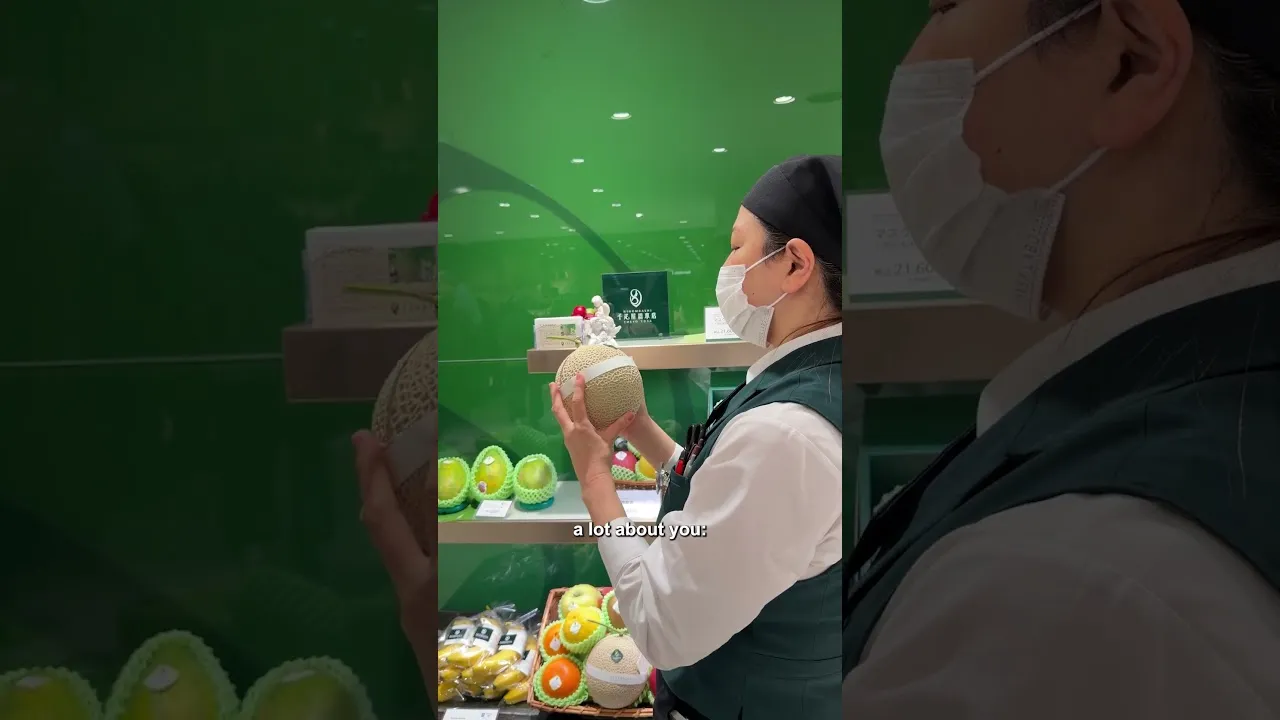
In Japan, the concept of gifting extends far beyond mere material exchange. It is deeply intertwined with cultural etiquette, personal expression, and social standing. Within this intricate tradition, luxury fruits have emerged as highly prized gifts, with some specimens commanding prices that might seem extraordinary to the uninitiated. The Japanese musk melon, for instance, can retail for over $174 per fruit, a price point that underscores its significance not just as a delicacy, but as a symbol of thoughtfulness and status.
This phenomenon is not a recent marketing ploy but a cultural practice steeped in history, reportedly spanning a millennium. When invited to a Japanese household, the gift presented by a guest is a significant reflection of their character, conveying aspects of their taste, consideration, and social position. Consequently, the elevation of premium fruit to a respected gift category is a natural extension of these deeply ingrained values. The exorbitant price tag, rather than being a deterrent, is an integral part of the appeal, signaling adherence to stringent quality controls and exclusivity.
Meticulous Cultivation and Grading
The journey of these luxury fruits from farm to gift recipient is one of meticulous attention to detail. Each melon undergoes rigorous individual inspection. Factors such as uniform color, precise size, and a specific sugar content are all assessed and graded. This exhaustive process ensures that only the finest specimens meet the exacting standards required for premium gifting. Consumers are not merely purchasing produce; they are acquiring a tangible representation of good taste and discernment, a crucial element in a society where the gift is a mirror to the giver.
Beyond the Price Tag: A Lesson in Value Perception
The phenomenon of luxury fruits in Japan, exemplified by the famed musk melon and even high-end strawberries like those from Arowan, offers a compelling insight into consumer psychology and the perception of value. The underlying lesson is that price is often a multifaceted indicator, extending beyond the simple cost of production or acquisition. It can encapsulate quality, rarity, craftsmanship, and cultural significance.
“You’re not just buying fruit. You’re buying proof that you have good taste. And in a culture where the gift you bring is a reflection of you, that matters a lot.”
This perspective challenges the conventional Western view where high prices can sometimes be associated with perceived overcharging or unnecessary luxury. In Japan, for these specific luxury fruits, the elevated price is intrinsically linked to the assurance of superior quality and the social capital it confers upon the giver. It’s a demonstration of one’s ability to procure and present the very best, thereby enhancing their social standing.
Market Context and Investor Implications
While the market for ultra-luxury fruits in Japan is niche, it exists within a broader context of premium and specialty food markets globally. The principles observed – the link between price, quality, gifting, and status – can be seen echoed in other high-end consumer goods, from fine wines and spirits to designer apparel and luxury automobiles. For investors, understanding these nuanced market drivers is crucial.
Sector Relevance: This niche market touches upon the agricultural sector, specifically high-value specialty crops, as well as the luxury consumer goods market. Companies involved in premium food production, high-end retail, and specialized logistics catering to such markets could potentially benefit from understanding these consumer preferences.
Consumer Behavior Insights: The Japanese luxury fruit market highlights the power of cultural traditions in shaping consumer demand. It underscores that for certain segments of the population, particularly in gift-giving occasions, the symbolic value and social implications of a product can outweigh its functional utility or even its direct cost-benefit analysis.
What Investors Should Know
- Cultural Nuances Drive Demand: Recognize that in specific cultural contexts, gift-giving traditions can create substantial demand for high-priced, symbolic items.
- Quality as a Premium Driver: The stringent quality controls and meticulous cultivation methods justify the high price points, establishing a benchmark for premium produce.
- Status Symbolism: The ability to gift such items confers social status, creating a unique value proposition that transcends the product itself.
- Niche Market Potential: While the overall volume may be small, the profit margins in such luxury segments can be significant, attracting specialized producers and retailers.
- Broader Application: The principles of value perception and status signaling observed in this market are applicable to various luxury goods and services across different industries.
In conclusion, the $174 Japanese musk melon is more than just an expensive fruit; it is a cultural artifact, a symbol of respect, and a testament to the intricate relationship between price, quality, and social standing in Japan. It serves as a potent reminder that in certain markets, value is perceived not just through utility, but through the messages a purchase conveys about the buyer.
Source: Japan's Luxury Fruit: Explained. Would you buy a $19 Strawberry, or $174 Melon? LMK in the comments! (YouTube)