Lawmakers Seek AI Data Center Pause Amid Energy and Job Worries
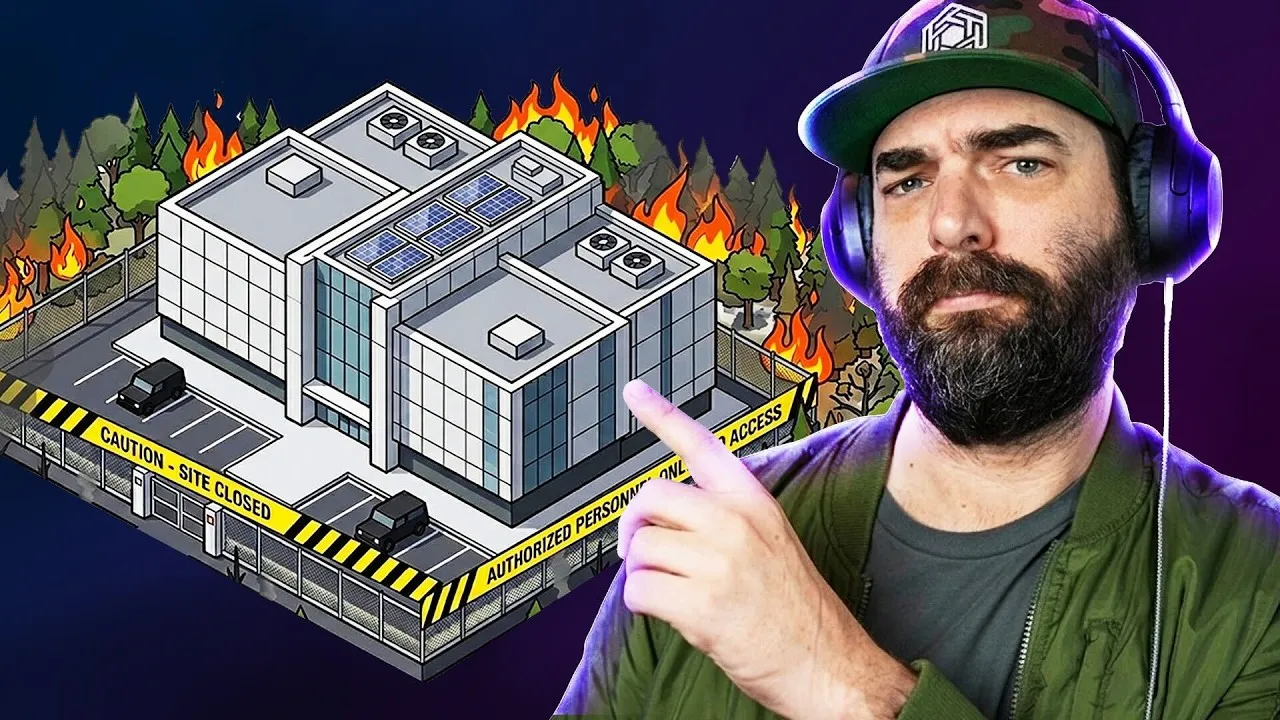
Two prominent lawmakers have introduced a bill calling for a nationwide pause on new data center construction. The proposed legislation, spearheaded by Senator Bernie Sanders and Representative Alexandria Ocasio-Cortez, aims to halt the building of new data centers until federal rules are established for artificial intelligence. This move highlights growing concerns about the immense energy demands and potential societal impacts of AI development.
The bill, titled the Artificial Intelligence Data Center Moratorium Act, would only allow new construction to proceed after federal legislation is passed. This legislation would need to include protections for workers and consumers, prevent environmental damage, and safeguard civil rights. The proposal has sparked a polarized debate online, with some arguing it will harm American progress and others supporting a complete stop to data center expansion due to AI’s risks.
The Energy Drain: Data Centers and Rising Electricity Costs
A primary driver behind the proposed moratorium is the significant energy consumption of data centers, which are crucial for powering AI technologies. The bill’s proponents point to rising residential energy costs as a direct consequence of this demand. Since 2020, electricity prices have increased substantially, with residents in states like Illinois, Virginia, Ohio, Texas, and California seeing the biggest hikes.
Data from the Department of Energy shows electricity prices climbing about 6% year-over-year. An independent market monitor for PJM, a regional transmission organization, found that data centers are largely responsible for increased capacity prices. To put it in perspective, a data center campus operating at lower demand uses as much power as the entire city of San Francisco. This demand is projected to grow by 15-20% annually.
The relationship appears to be a simple matter of supply and demand. When data centers are built near communities, they consume vast amounts of electricity. This reduces the available power supply for residents, while demand remains high. Basic economics dictates that when supply shrinks and demand stays put, prices go up for everyone else.
Environmental and Community Impacts
Beyond energy costs, the construction and operation of data centers raise environmental concerns. In Memphis, a gas-powered data center for AI reportedly increased local air pollution. It also consumed about 150 homes’ worth of water in a single month and could use as much electricity as 200,000 homes annually. This means that even individuals who do not directly use AI services could see their electricity bills increase if a data center is built nearby, simply because it shares the same local power grid.
Broader AI Risks Addressed
The lawmakers also cited broader concerns about AI, including job displacement and existential risks. They referenced statements from experts like Geoffrey Hinton, who has warned of AI potentially wiping out humanity. The potential for AI to disrupt white-collar jobs on a massive scale, similar to the industrial revolution, was also mentioned as a reason to pause development.
Tech Companies’ Promises and Potential Solutions
In response to these concerns, major tech companies have begun making commitments. Microsoft, for instance, has pledged to ensure its data centers do not increase local electricity prices. The company plans to minimize water usage, replenish more water than it consumes, create local jobs, and invest in community programs. Companies like Google and Microsoft have also committed to funding the necessary power plants and grid upgrades for their data centers, theoretically preventing strain on existing public utilities.
This approach suggests that the energy and infrastructure issues might be addressed through private investment. If these companies can indeed build their own power sources and manage their environmental impact, the core argument about rising residential electricity costs could be mitigated.
Arguments Against the Moratorium
Opponents of the moratorium raise concerns about the United States falling behind other nations, particularly China, in AI development and global competitiveness. They argue that pausing construction in the U.S. would simply push companies to build data centers in countries with less regulation, potentially leading to job creation elsewhere.
Furthermore, a significant, often overlooked, concern is the potential impact of a moratorium on compute supply and demand. Currently, there is a high demand for computing power needed for AI development and applications. By halting new data center construction, the supply of this compute power would be limited while demand continues to grow. This scenario could lead to increased costs for AI services.
The Unintended Consequence: Squeezing Out Smaller Players
A critical point raised is that a pause on data centers, intended to curb the power of big tech, might paradoxically empower them further. If compute supply is constrained, the largest companies like Google, Microsoft, and OpenAI can afford to pay higher prices for the limited resources. Smaller businesses and individual users, however, would likely be squeezed out due to rising costs. This could stifle innovation and competition, making AI tools less accessible and affordable for the general public and smaller enterprises.
The argument is that instead of distributing power, a moratorium could concentrate it. The existing, limited compute resources would be controlled by a few major players, potentially increasing the cost of services like ChatGPT and hindering widespread AI adoption by smaller entities.
Seeking a Middle Ground
The article suggests that a balanced approach might be more effective than an outright pause. This middle path involves allowing data center construction to continue but holding large corporations accountable for their impact. Companies building data centers should be responsible for securing their own energy sources, not relying on existing community grids. They should also commit to replenishing water supplies, creating local jobs, generating tax revenue, and investing in sustainable energy solutions that do not harm the environment.
Essentially, the proposal is that the multi-trillion dollar companies driving AI development should bear the full cost of the infrastructure and energy required for their data centers. This would ensure that the growth of AI does not place an undue burden on local communities or the environment.
The Evolving AI Landscape
The author notes that the AI landscape has become increasingly politicized, a stark contrast to earlier days when AI discussions were confined to niche communities. While acknowledging the complexity and potential for differing opinions, the article emphasizes the need for nuanced discussion rather than polarized viewpoints. The author expresses a desire for a middle ground that balances technological advancement with community well-being and environmental responsibility.
Source: This Datacenter Problem Nobody's Talking About (YouTube)