Lift Your Face and Neck with These Simple Exercises
Have you noticed your face seems to be drooping, especially around your jawline and neck? This common sign of aging might be more than just loose skin. It often involves changes in the underlying muscles and connective tissues, influenced by factors like stress and modern diets. Fortunately, simple exercises can help tighten these areas and give your face a more lifted appearance.
Understanding Facial Aging
Your face isn’t just a layer of skin. Beneath it lies fascia, a type of connective tissue, and the bones that form your facial structure. As we age, these structures can change. Our faces also tend to show signs of aging first because they are highly sensitive organs, packed with receptors for hormones. These receptors play a big role in how we express emotions, both positive and negative.
Negative emotions like anger, fear, or sadness can significantly impact facial muscles and tissues. This is largely due to a stress hormone called cortisol. High levels of cortisol can break down facial structures and even lead to fat accumulation in the face, sometimes referred to as “cortisol face.” This effect can worsen over time, especially as other facial structures naturally change with age.
The Platysma Muscle: A Key Player
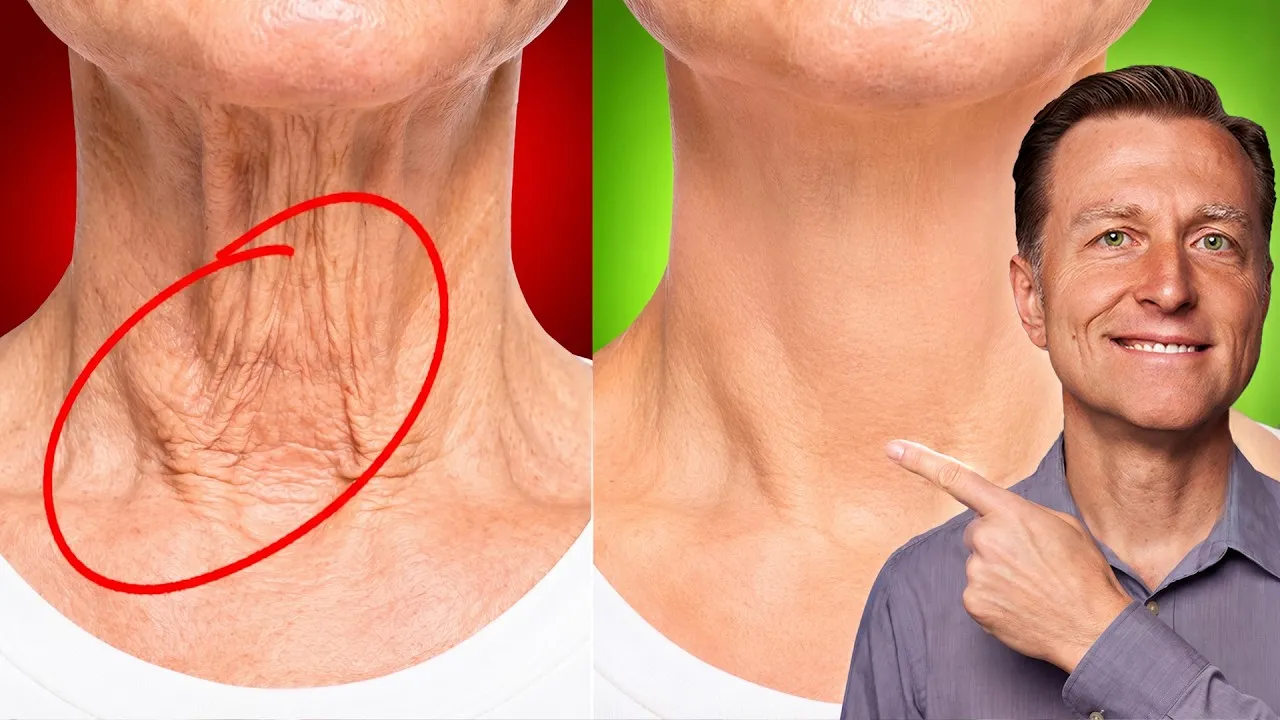
One of the main muscles involved in the sagging of the lower face and neck is the platysma. This muscle runs from your collarbone up to your jawline. When it loosens, it can create the appearance of a “turkey neck.” The platysma is made up of fast-twitch muscle fibers, meaning they are built for quick, explosive movements like smiling, gasping, or talking. Because of this, exercises that involve sustained holding or slow stretching are not ideal for this muscle. Instead, it responds best to rapid, forceful movements.
Managing Stress for Facial Health
Cortisol, the stress hormone, is a major enemy to facial aging. While it’s impossible to eliminate stress entirely, managing it is crucial. Physical activity, like walking, can help burn off excess cortisol built up from mental stress. Pairing mental stress relief with physical movement is considered an effective antidote.
Exercises to Tighten and Lift
The following exercises target key muscles to help reverse sagging and tighten the lower face and neck. These are designed to work with the fast-twitch nature of muscles like the platysma and to strengthen the jaw muscles, which are often underused due to modern diets of soft foods.
Exercise 1: The Platysma Tightener
This exercise is designed to target the platysma muscle directly. While it might feel a bit unusual to do in public, its effectiveness is significant.
- How to do it: Open your mouth and pull the skin under your chin upwards as if trying to create a strong upward pull. Then, make rapid, short movements with your jaw, as if you’re rapidly trying to close your mouth against resistance. Think of it as quick, forceful impulses.
- Repetitions: Aim for 10 to 15 quick impulses, with a brief rest between each.
- Frequency: Do three sets of these impulses several times a week.
This exercise will likely make your muscles tired and possibly sore, but it effectively tightens the structures under the jawline and around the jaw itself.
Exercise 2: The Jaw Muscle Strengthener
Our modern diets often consist of soft foods, meaning we don’t use our jaw muscles as much as our ancestors did. This exercise helps reactivate those muscles and the surrounding tissues.
- How to do it: Place your chin in the palm of your hand, using your hand to provide gentle resistance. Open your mouth against this resistance, feeling the stretch and activation in your jaw muscles. This movement works in the opposite direction of typical muscle contraction.
- Repetitions: Perform 10 repetitions.
- Frequency: Do three sets, with about 30 seconds of rest between each set, a few times per week.
Performing this exercise from the side can help you better visualize the engagement of the jaw muscles and ligaments.
Exercise 3: Forward Jaw Jut
This exercise targets different muscles by encouraging the lower jaw to jut forward, strengthening the muscles responsible for this movement.
- How to do it: Jut your lower jaw forward as far as you comfortably can. Hold this position briefly, then return to the starting position. Focus on engaging the muscles that pull the bottom jaw forward.
- Repetitions: Do 10 repetitions.
- Frequency: Complete three sets with a 30-second break between each set, a few times per week.
Viewing this exercise from the side profile can offer a clearer understanding of the muscles being worked.
Consistency is Key
While these exercises are simple, consistency is vital for seeing results. Many people rarely focus on exercising their facial muscles, but dedicating a few minutes each week can make a noticeable difference. Try these exercises regularly and observe the changes in your facial structure and tightness over the next 1-2 weeks. Many people report positive changes in their facial appearance and muscle tone from incorporating these routines.
Important Considerations
This information is for general knowledge and educational purposes only, and does not constitute medical advice. It is essential to consult with a qualified healthcare professional before making any decisions about your health or treatment. If you have any underlying health conditions or concerns, always seek the advice of your doctor or another qualified health provider.
Source: The #1 Exercise to Lift a Sagging Face & Turkey Neck (YouTube)