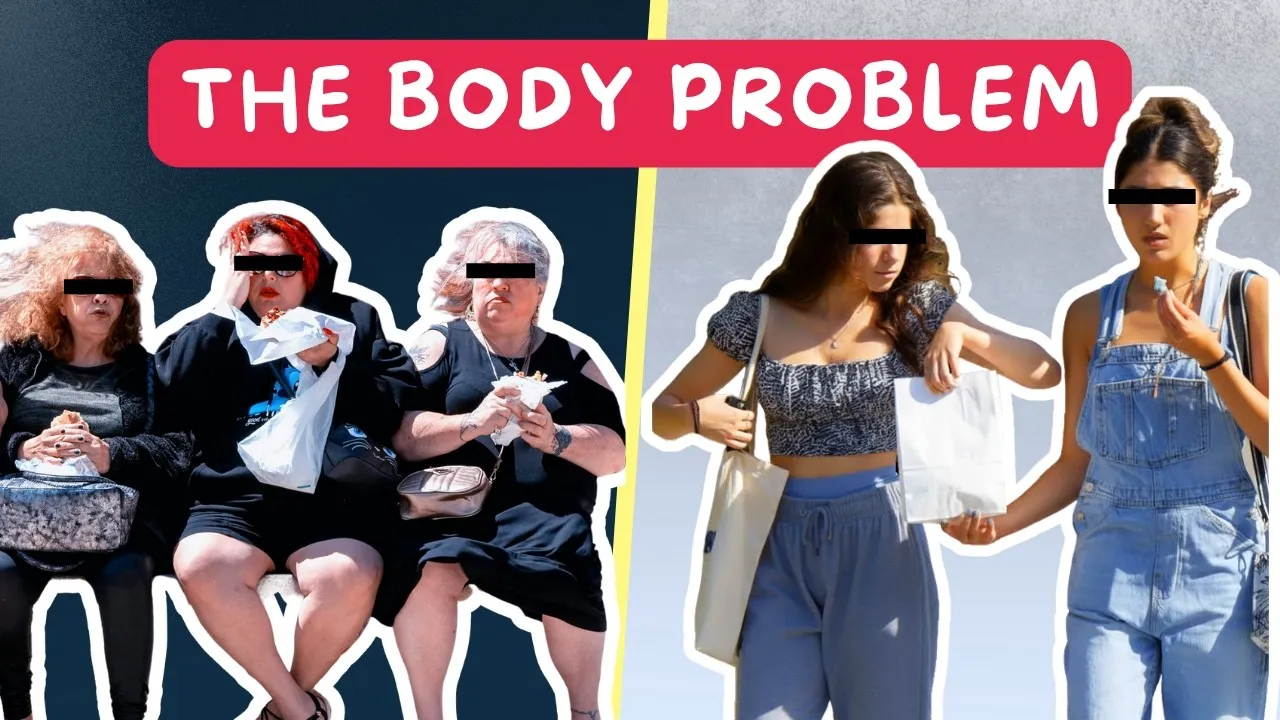
Beauty Bias Impacts Earnings and Spending
In the United States, appearance plays a significant role in both how much money people earn and how much they spend. This is particularly true for women, who face stricter beauty standards that can lead to lower paychecks and higher costs for beauty treatments. Even in a tough job market, looking good can offer an advantage, a phenomenon known as “pretty privilege.” This article explores how societal beauty standards affect personal finances, from job prospects to everyday spending.
The Weight Wage Gap
Body Mass Index (BMI), a common measure of body fat, is often discussed in relation to health. However, economic data reveals a connection between weight and income. Studies show that individuals considered obese are less likely to be employed. Those who are employed may also earn less. This “wage penalty” for being overweight can vary by race and gender.
For example, obese white women earn between 4.5% and 11.9% less than women of normal weight. Obese African-American and Hispanic women earn about 6% to 8% less. Research also suggests that women’s wages often peak at a BMI within the normal range, while for Black women, wages can peak slightly above the normal range.
The impact of weight on earnings is less clear for men. Some studies find that overweight white men earn less, while others show no significant difference based on size. For Hispanic men, some studies indicate a pay cut for being overweight, but this effect was not seen in African-American men, where heavier men sometimes earned more.
This disparity highlights a broader issue: women are generally held to a stricter beauty standard than men. This costs women money through lower earning potential and increased spending on appearance.
Class, Education, and Appearance
Obesity rates are also linked to social class. Data from California showed that obesity increased in lower-income households but not in higher-income ones. For women, there’s a clear link between education and weight: women with college degrees are much less likely to be obese than those without.
This connection between education and body weight is important when looking at wealth. In 2021, Asian households had a median net worth of $320,900, significantly higher than white households at $250,400. Hispanic households had a median net worth of $48,700, and Black households reported $27,100.
These figures suggest that factors like class and education can influence body shape, which in turn can affect how much money a person earns in the workplace.
The Rising Cost of Looking Good
In recent years, the cost of living in the U.S. has risen sharply. This makes everyday essentials feel like luxuries, and that includes health, fitness, and beauty. Activities like Pilates, often seen as a high-end workout, are associated with thin, white women with money. These types of fitness classes are difficult to attend for those working 9-to-5 jobs or multiple jobs.
Workout routines are increasingly becoming a luxury. The recent lapse of Affordable Care Act (ACA) subsidies has made health insurance more expensive for many. This leaves less money for gym memberships or fitness classes.
Americans spend a substantial amount on their appearance. A Groupon study found that women spend an average of $3,756 per year on beauty treatments like haircuts, makeup, and skincare. Spending on beauty increases with younger generations, with millennials averaging $2,670 annually and Gen Z spending $248.
A study by Advanced Dermatology found that one in six Americans admit to spending more on beauty and wellness than they can afford, sometimes going into debt. In 2023, households spent an average of $655 on women’s apparel but only $46 on men’s apparel.
Pretty Privilege and Economic Advantage
Beyond the direct financial costs, there’s the constant pressure to maintain a certain look. This can lead to ongoing insecurity, especially for women. This pressure is amplified in the current job market, where jobs are scarce.
The U.S. added only 181,000 jobs in 2025, marking the weakest job growth since 2020 and the weakest non-recessionary job market since 2003. With unemployment at 4.3% in January 2026, job seekers face intense competition. Many available jobs are low-paying, part-time, or lack benefits.
In this environment, looking your best can increase your chances of getting hired and securing a better-paying position. This is where “pretty privilege” comes into play. The U.S. often follows a Eurocentric beauty standard, favoring those who are thinner and fit certain facial and body type criteria.
This is why cosmetic procedures like nose jobs and breast augmentation are common. The rise of weight-loss drugs like GLP-1s also reflects this trend, as people aim to become physically smaller. While these choices are personal, studies show that physically attractive people can earn 10% to 15% more than their less attractive colleagues. This advantage can start in childhood, with attractive children often receiving more attention and developing greater confidence.
The TV show “Mad Men” offers a fictional example of pretty privilege. The character Don Draper often benefited from his attractiveness, receiving perks and avoiding consequences despite poor performance. This illustrates how being perceived as attractive can lead to career advancement.
The Double Bind of Beauty Standards
Pretty privilege isn’t just about physical looks; it’s also about signaling wealth and status. People with disposable income can afford gym memberships, cosmetic treatments, and healthy food, all of which contribute to conventionally attractive appearances.
However, society often judges individuals who invest heavily in their appearance. Women who spend a lot of time or money on their looks are sometimes called “high maintenance” or labeled as vain or superficial. Conversely, heavier individuals often face harsh criticism, being called lazy or disgusting.
This creates a “double bind,” where people are judged harshly whether they try too hard to meet beauty standards or not hard enough. For example, actresses like Claire Danes face criticism for having expressive faces due to minimal cosmetic work, while others like Nicole Kidman are criticized for having “frozen” faces from too much work.
This impossible standard is further complicated by issues of illness and disability. Many people in these communities cannot meet conventional beauty standards due to their body’s limitations. The public reaction to Chadwick Boseman’s changing appearance while battling cancer, with many speculating negatively about his health, highlights how society often judges bodies without understanding the underlying issues.
Ultimately, adhering to narrow beauty standards and judging others based on their appearance, or their efforts to conform, creates a system that is both harmful and reinforces toxic social norms.
Market Impact
The pervasive influence of beauty standards creates significant economic activity. Billions are spent annually on beauty treatments, apparel, and fitness. The job market also reflects this bias, with studies indicating that attractive individuals may earn more. This creates a constant financial pressure on consumers to invest in their appearance, impacting spending habits and potentially leading to debt.
What Investors Should Know
Investors may see continued growth in the beauty, wellness, and cosmetic surgery sectors due to these persistent societal pressures. Companies that cater to these demands, from skincare brands to fitness studios and plastic surgery providers, could benefit. Understanding the economic impact of beauty standards is key to recognizing consumer spending patterns and market opportunities in these areas.
Source: Does Being Fat Keep You Poor? (YouTube)