Unlock the Potential of Rubber: A Guide to Vulcanization
This article will guide you through the historical challenges of using natural rubber and introduce you to the revolutionary process that made it a commercially viable material: vulcanization. You’ll learn about the inherent weaknesses of raw rubber and understand how Charles Goodyear’s discovery transformed it into a durable, versatile substance.
The Problem with Natural Rubber
Natural rubber, while possessing some useful properties, has a critical flaw: extreme sensitivity to temperature. In hot weather, it melts, becoming a sticky, unusable mess. Conversely, in cold weather, it freezes and becomes brittle, losing its elasticity and integrity. This made products like rubber coats and shoes impractical for everyday use, leading to customer dissatisfaction and product returns.
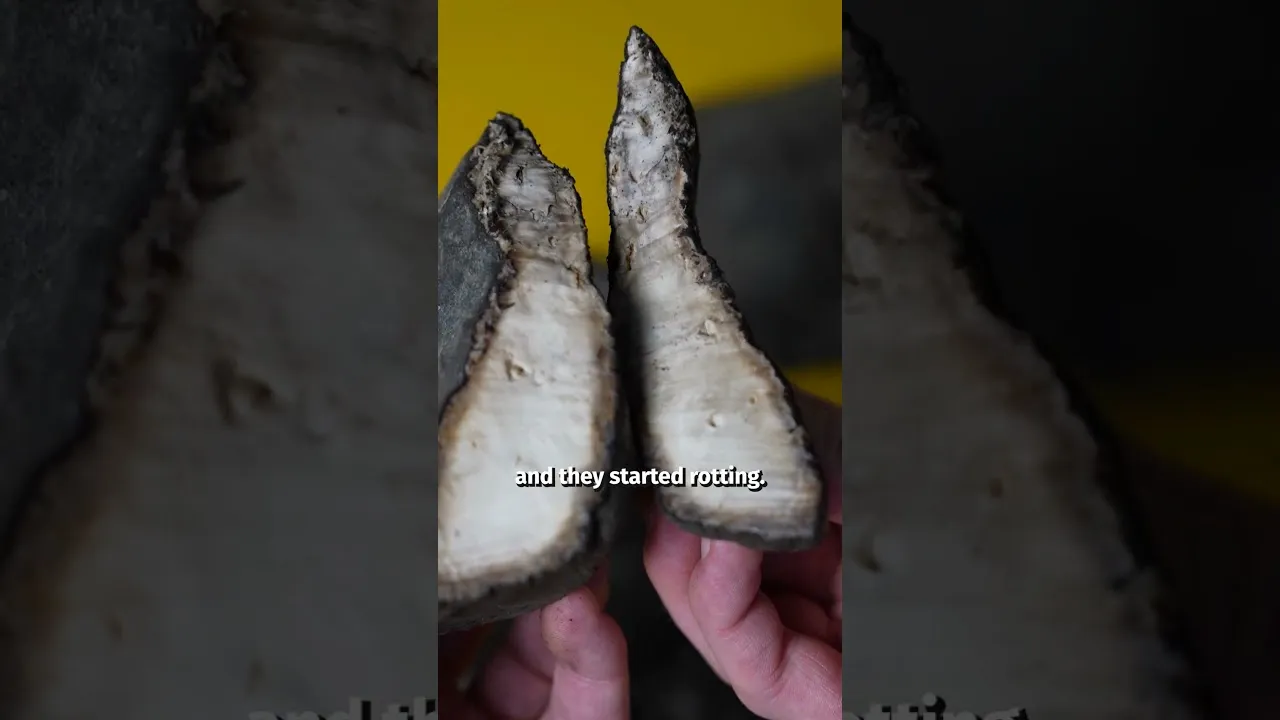
The consequences of this temperature sensitivity were starkly illustrated by an incident at the Roxbury warehouse. The summer heat caused their entire stock of rubber products to melt, rot, and emit a foul odor. The manager was forced to have employees secretly dispose of the ruined materials under the cover of darkness.
The Breakthrough: Charles Goodyear’s Discovery
Facing significant debt after his previous business failed, a man named Charles Goodyear became determined to find a solution. He encountered a rubber life preserver and conceived of an idea to improve its valve. When he pitched his innovative design to the Roxbury manager, he was shown the warehouse full of melted, rotten rubber.
The manager recognized rubber’s potential but acknowledged its current limitations. He explained that the person who could discover a method to make rubber stable across a wider temperature range and eliminate its stickiness would achieve immense financial success. This challenge spurred Charles Goodyear on his quest.
Understanding Vulcanization
Charles Goodyear’s relentless pursuit led him to discover a process that would forever change the world of materials: vulcanization. While the exact details of his experimental process are complex, the core concept involves heating rubber with sulfur.
How Vulcanization Works (Conceptual Overview)
- Mixing Rubber and Sulfur: Raw rubber is mixed with a small amount of sulfur. Other additives may also be included to enhance specific properties.
Expert Note: The ratio of sulfur to rubber is crucial and depends on the desired properties of the final product.
- Heating the Mixture: The rubber and sulfur mixture is then heated to a specific temperature, often in the presence of an accelerator (which speeds up the process) and an activator (like zinc oxide).
Warning: Overheating or incorrect temperatures can degrade the rubber or lead to an incomplete cure, compromising the final product’s integrity.
- Cross-linking: During heating, the sulfur atoms form chemical bonds, known as cross-links, between the long polymer chains of the rubber. This process is called curing.
This cross-linking transforms the rubber from a soft, sticky, temperature-sensitive material into a strong, elastic, and durable substance.
- Cooling and Finishing: Once the vulcanization process is complete, the rubber is cooled and can then be molded into various shapes or used in its final form.
The resulting vulcanized rubber is resistant to heat, cold, and abrasion, making it suitable for a vast array of applications.
The Impact of Vulcanization
Charles Goodyear’s discovery of vulcanization was a monumental achievement. It overcame the inherent weaknesses of natural rubber, transforming it from a problematic material into one of the most versatile and essential substances used today. From tires and hoses to footwear and medical equipment, vulcanized rubber is ubiquitous, enabling countless innovations and improving the quality of life worldwide.
Prerequisites
- Basic understanding of material properties.
- Interest in the history of industrial chemistry.
Source: Rubber used to be useless… (YouTube)