Unlock Advanced Image Editing: Midjourney vs. Nano Banana
In the rapidly evolving world of AI image generation, new tools emerge constantly, each with its unique strengths. While dedicated platforms like Midjourney excel at creating stunning, high-quality images from scratch, they often fall short when it comes to precise, targeted edits. This is where Google’s Nano Banana model shines. This guide will walk you through understanding the distinct use cases for each tool, demonstrating how Nano Banana can achieve edits that are simply not feasible with Midjourney, leading to more practical and integrated results for specific editing tasks.
Understanding the Strengths of Each Tool
When evaluating AI image generation tools, it’s crucial to look beyond just the raw quality of the generated image. The intended application and the specific editing requirements often dictate which tool is the most effective.
Midjourney: The Champion of Original Creation
Midjourney is renowned for its ability to generate highly aesthetic and creative images from text prompts. If your goal is to create entirely new visuals, explore artistic concepts, or generate a series of unique images, Midjourney is often the preferred choice. Its algorithms are optimized for producing visually striking results that can captivate an audience. However, when it comes to modifying existing elements within an image, especially with a high degree of precision, Midjourney’s capabilities are limited.
Nano Banana: Precision Editing and Integration
Google’s Nano Banana model, on the other hand, offers a different set of advantages. Its primary strength lies in its ability to perform intricate edits on existing images. This includes tasks like replacing specific objects, maintaining consistency in lighting and angles, and seamlessly integrating new elements into a pre-existing scene. This level of control makes Nano Banana an invaluable tool for tasks that require subtle yet impactful modifications.
A Practical Demonstration: Shoe Design Replacement
To illustrate the practical differences, let’s consider a scenario involving shoe design. Imagine you have a high-quality image of a product, perhaps a shoe, and you want to showcase it with different sole designs. Or, as in the example provided, you might have a compelling image featuring a person, and you want to replace the footwear with a specific, existing design.
Scenario 1: Generating New Shoe Designs with Midjourney
If you were to use Midjourney for this task, you would likely prompt it to generate images of shoes with various sole designs. Midjourney would produce beautiful, often artistic interpretations of your request. For instance, asking Midjourney to create ‘a sleek athletic shoe with a futuristic glowing sole’ would yield impressive results. However, if you already have a specific sole design in mind, perhaps from another product photo, Midjourney cannot directly import and apply that existing design to your base shoe image.
Scenario 2: Replacing Footwear with Nano Banana
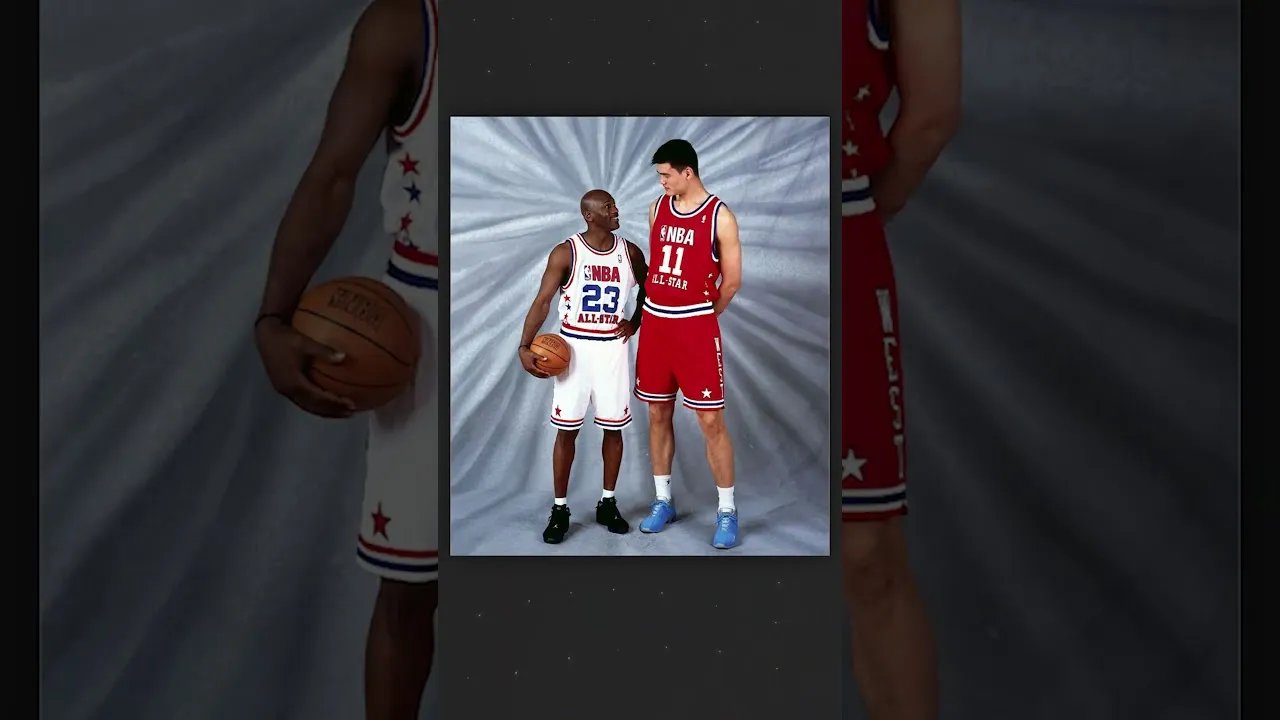
Now, let’s look at how Nano Banana handles the same challenge, but with a focus on modification. Consider an image of a basketball player, like Michael Jordan, in action. Suppose you want to replace his current shoes with a specific, pre-designed pair. This is where Nano Banana excels.
- Prepare Your Images: You will need the original image (e.g., the photo of Michael Jordan) and the image of the specific shoes you want to use for the replacement.
- Input into Nano Banana: Upload both the original image and the target shoe design into the Nano Banana interface.
- Specify the Edit Area: Clearly indicate the area of the original image that needs modification – in this case, Michael Jordan’s shoes.
- Select the Replacement Element: Instruct Nano Banana to use the provided shoe design image as the replacement.
- Execute the Edit: The model will then process the request. It analyzes the lighting, perspective, and angle of the original image.
- Observe the Integration: Nano Banana’s advanced capabilities allow it to seamlessly integrate the new shoes into the existing photo. This means the new shoes will adopt the same lighting conditions and match the perspective and angle of the original scene.
The Outcome: Perfect Integration
The result of using Nano Banana in this scenario is a perfectly integrated image. The replacement shoes appear as if they were always part of the original photograph. The lighting matches, the angle is consistent, and the overall composition remains believable. This level of precision and seamless integration is what sets Nano Banana apart for specific editing tasks, a feat that is currently not achievable with tools like Midjourney, which are primarily designed for generating new content rather than meticulously editing existing elements.
Conclusion: Choosing the Right Tool for the Job
While both Midjourney and Nano Banana are powerful AI tools, they serve different purposes. Midjourney is the superior choice for generating original, high-quality images from scratch, pushing the boundaries of creativity. However, for tasks that require precise modifications, seamless integration of new elements into existing photos, and maintaining the integrity of the original scene’s lighting and perspective, Nano Banana proves to be the more effective and practical solution. Understanding these distinctions allows you to leverage the strengths of each tool to achieve the best possible results for your specific image generation and editing needs.
Source: Midjourney vs. Google's Nano Banana (YouTube)