Build a Strong Foundation: The Beginner’s Guide to Movement-Based Training
Starting a fitness journey can feel overwhelming, especially when deciding where to begin. For many newcomers to exercise, the focus often falls on isolated muscles. However, experts suggest a more holistic approach: training fundamental movement patterns. This strategy not only builds overall strength but also teaches crucial biomechanics, setting a solid foundation for long-term fitness and injury prevention.
Why Movement Patterns Trump Muscle Isolation for Beginners
The most common pitfall for beginners, according to fitness professionals, is concentrating on individual muscles rather than the compound movements the body naturally performs. Instead of just targeting your biceps or triceps, a movement-based approach emphasizes exercises that engage multiple muscle groups and joints simultaneously, mimicking real-world activities. This method is more efficient for building functional strength and learning how to move your body correctly.
A highly recommended approach for beginners involves a total body workout split, performed twice a week. This structure allows for sufficient training volume to stimulate adaptation while providing adequate recovery. The core idea is to cover key human movement patterns, typically categorized into roughly ten types, and distribute them across two distinct workouts, labeled A and B.
Workout A: The Foundational Movements
Workout A is designed to introduce and refine several essential movement patterns:
1. The Squat: Mastering Lower Body Mechanics
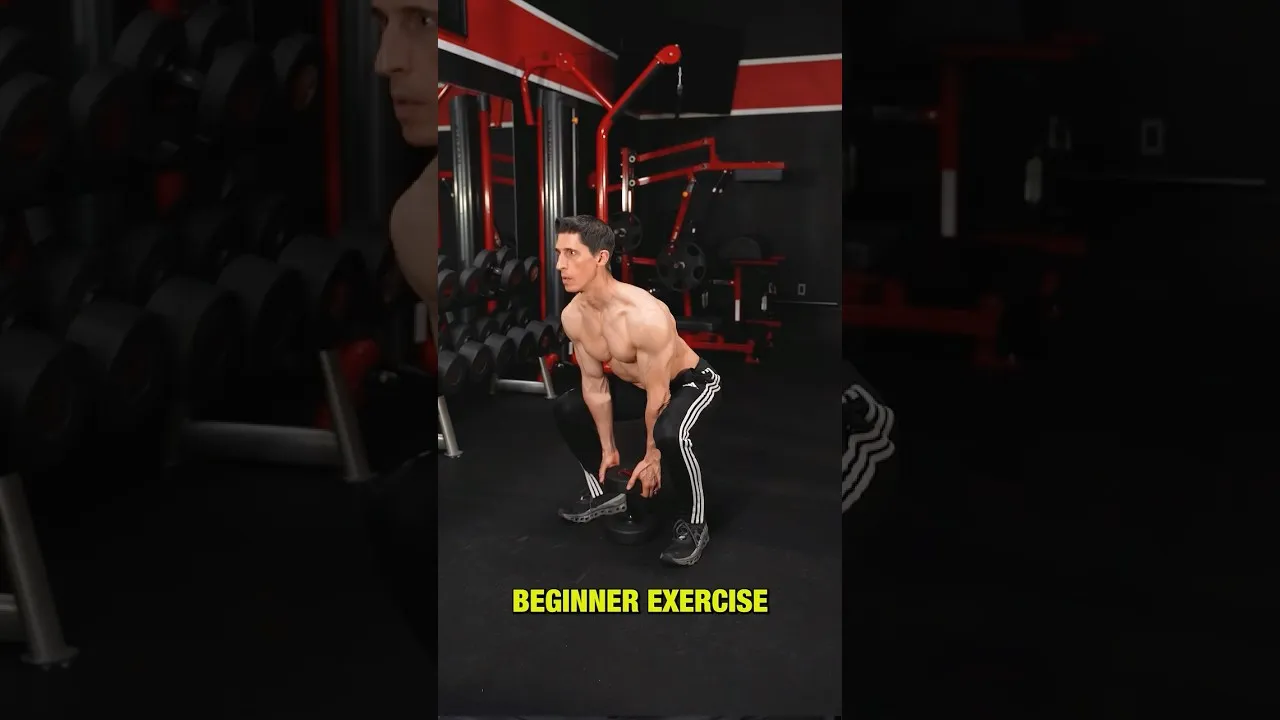
The squat is a cornerstone of lower body strength and function. For beginners, a great starting point is the dumbbell drop squat. This variation uses a dumbbell held in front of the body. As you lower into the squat, you simply let the dumbbell drop straight down towards the floor between your legs. This action naturally encourages proper hip and knee flexion, guiding you into the correct squatting posture without requiring complex mental cues. It helps establish the right biomechanics from the outset.
2. The Overhead Press: Building Vertical Pushing Strength
To address the vertical pushing movement pattern, the one-arm overhead press is an excellent choice. Performing this unilaterally (one arm at a time) is crucial for beginners. It allows you to properly stack your wrist over your elbow, which is then stacked over your shoulder. This alignment is vital for joint health and efficiency, and it’s an aspect many beginners struggle with. Learning this correct stacking early on can prevent future joint issues.
3. The Row: Developing Horizontal Pulling Power
For the horizontal pull, the chest-supported row is highly recommended for beginners. Unlike freestanding rows, which require significant core and lower back stability, the chest-supported version offers a stable base. Most beginners haven’t yet developed the necessary low back strength to safely and effectively perform a freestanding row. The chest support allows you to focus on the pulling motion of your upper back muscles without worrying about maintaining an upright torso.
4. The Split Squat: Introducing Single-Leg Stability
The split squat, performed statically with dumbbells or even bodyweight, addresses the need for exercises that originate from a split or lunge position. This movement is a fundamental precursor to single-leg training. It helps build balance, stability, and strength in a unilateral stance, which is essential for activities like walking, running, and many sports. As you progress, this exercise can be loaded more heavily and progressed to more dynamic variations.
5. The Core Roll-Up: Enhancing Core Control
Finally, a basic roll-up exercise targets the core. This movement not only builds core strength but, more importantly, teaches control. Learning to engage your core to initiate the roll-up and then control your descent back to the ground is key for developing a resilient and functional core, which supports almost every other physical activity.
The Importance of a Structured Plan
This structured approach, focusing on fundamental movement patterns across workouts A and B, is designed to systematically build training volume and teach the body how to move efficiently and safely. By prioritizing these patterns, beginners can avoid common mistakes, reduce the risk of injury, and build a robust foundation for more advanced training in the future.
Key Health Takeaways
- Prioritize training fundamental movement patterns (like squatting, pushing, pulling, lunging) over isolating individual muscles, especially as a beginner.
- A total body workout split, performed twice a week, is an effective way for beginners to build strength and learn proper form.
- Exercises like the dumbbell drop squat, one-arm overhead press, chest-supported row, split squat, and core roll-up are excellent starting points for mastering key movement patterns.
- Focus on controlled execution and proper biomechanics to prevent injuries and build a solid fitness foundation.
- Learning to correctly stack joints (wrist over elbow over shoulder) during overhead pressing is crucial for long-term joint health.
Who This Information Is For
This guidance is primarily intended for individuals new to structured exercise programs, regardless of age, who are looking to build a safe and effective fitness routine. It’s particularly beneficial for those who may have previously focused on isolated exercises or are unsure how to start training compound movements.
Disclaimer: This information is for educational purposes only and does not constitute medical advice. Always consult with a qualified healthcare provider or certified personal trainer before beginning any new exercise program, especially if you have pre-existing health conditions. They can help tailor a plan that is safe and appropriate for your individual needs.
Source: The BEST Workout for Beginners (YouTube)