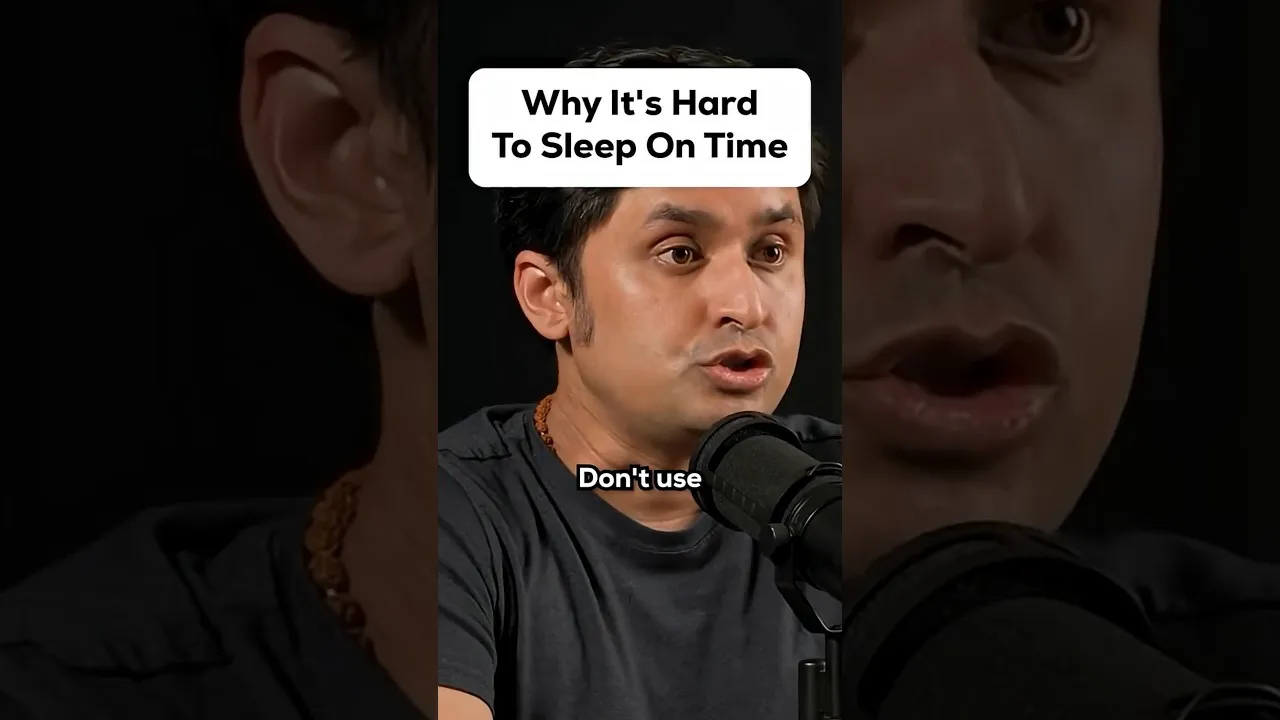
Unlock Deeper Sleep by Ditching Your Phone Before Bed
Struggling to fall asleep at a consistent time? The culprit might be closer than you think: your smartphone. Andrew Huberman, Ph.D., a neuroscientist and professor at Stanford School of Medicine, highlights a critical link between late-night technology use, particularly social media, and difficulty initiating and maintaining sleep. This article explores why this happens and offers practical advice, drawing on insights from sleep science.
The “Sleep Window” and Why You Keep Missing It
Dr. Huberman emphasizes the concept of a “sleep window” – a period when your body is naturally primed for sleep. When you engage in stimulating activities like scrolling through social media close to bedtime, you can easily miss this window. Once it passes, falling asleep becomes significantly harder.
This phenomenon is partly explained by the impact of screen light and the engaging nature of digital content on your brain’s alertness levels. The blue light emitted from screens can suppress melatonin, a hormone crucial for regulating sleep-wake cycles. Furthermore, the constant stream of information and social interaction on platforms like Instagram, TikTok, or X (formerly Twitter) can activate your brain’s reward pathways, making it difficult to transition into a relaxed state conducive to sleep.
Procrastination: The Two Faces of Bedtime Delay
Research cited by Dr. Huberman points to two types of procrastination related to sleep: “before-bed procrastination” and “in-bed procrastination.” Before-bed procrastination involves delaying the act of going to bed itself, often by engaging in activities like using your phone. In-bed procrastination occurs after you’ve gotten into bed but still delay falling asleep, perhaps by continuing to browse or think about other things.
Social media use is a prime driver of before-bed procrastination. If you’re engrossed in your phone, you might not realize how much time is passing, and suddenly, your optimal sleep window has closed. This can lead to a cascade of negative effects, impacting not just your sleep that night but also your emotional regulation the following day.
The Emotional Toll of Missed Sleep Windows
Dr. Huberman notes that when you consistently miss your sleep window due to late-night phone use, you can become more “emotionally fried” and “emotionally vulnerable” the next day. This is because insufficient or poor-quality sleep impairs the prefrontal cortex, the part of your brain responsible for executive functions like impulse control, decision-making, and emotional regulation. When this area is compromised, you may find yourself more irritable, reactive, and less resilient to stress.
He specifically mentions that if you’re on your phone past 10:30 PM, you might find yourself still awake at 12:30 AM. This is because your brain’s “willpower” or executive function, which is needed to disengage from the phone and initiate sleep, is diminished. This loss of frontal lobe function makes it incredibly difficult to stop engaging with the device and transition to sleep.
Who Is This Information For?
This advice is broadly applicable to anyone struggling with sleep consistency, particularly young adults and adults who frequently use smartphones and social media in the evening. It is also relevant for individuals experiencing increased stress, anxiety, or mood fluctuations, as sleep quality significantly impacts emotional well-being.
Practical Strategies for Better Sleep Hygiene
Based on Dr. Huberman’s insights, here are actionable steps to improve your sleep hygiene:
- Establish a “No-Phone Zone” Before Bed: Aim to put away your phone and other stimulating electronic devices at least one to two hours before your intended bedtime. This allows your brain to wind down naturally.
- Recognize Your Sleep Window: Pay attention to when you start feeling naturally tired. This is your sleep window. Try to be in bed and preparing for sleep during this time.
- Avoid Social Media in the Evening: Especially in the hour leading up to bed, refrain from using social media. The content and blue light can be highly disruptive to your sleep cycle.
- Create a Relaxing Bedtime Routine: Replace screen time with calming activities like reading a physical book, gentle stretching, meditation, or listening to calming music.
- Be Mindful of Procrastination: Recognize when you are engaging in before-bed or in-bed procrastination and gently redirect yourself towards sleep-promoting behaviors.
Key Health Takeaways
- Late-night social media use can cause you to miss your natural “sleep window,” making it harder to fall asleep.
- Blue light from screens and engaging content can increase alertness and suppress melatonin, disrupting sleep.
- Procrastinating going to bed or falling asleep, often due to phone use, impairs your brain’s ability to regulate emotions the next day.
- Setting boundaries with technology in the hours before bed is crucial for consistent sleep and improved mood.
- Implementing a relaxing bedtime routine can help your brain transition to a sleep-ready state.
Consult Your Doctor
This article provides general information based on insights from Dr. Andrew Huberman and sleep science principles. It is not a substitute for professional medical advice. If you have persistent sleep difficulties or concerns about your mental health, please consult with a qualified healthcare provider or a sleep specialist.
Source: Why Its Hard To Sleep On Time @hubermanlab (YouTube)