Melt Visceral Belly Fat Fast: 10 Science-Backed Strategies
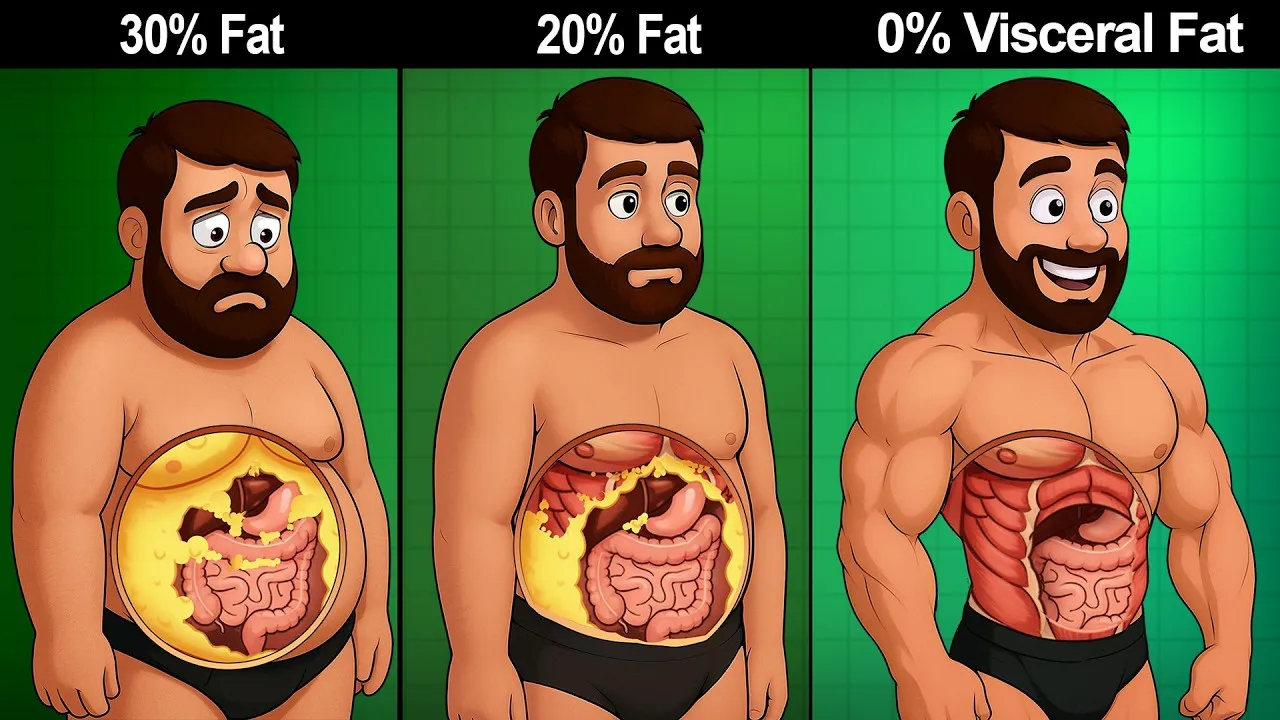
Visceral fat, the dangerous type that wraps around your organs, poses significant health risks including diabetes and heart disease. Fortunately, it’s also the most responsive to lifestyle changes. This article outlines ten scientifically proven methods to help you shrink this harmful abdominal fat effectively.
Track Your Waist, Not Just the Scale
Step away from the bathroom scale as your primary progress tracker. While weight loss is the goal, the scale doesn’t differentiate between fat, muscle, or water loss. Losing lean muscle can give a false sense of progress while visceral fat remains. Instead, focus on measuring your waist circumference. Research indicates a waist-to-height ratio exceeding 0.5 is strongly linked to increased health risks associated with visceral fat. For instance, if you are 5’10” (70 inches tall), your waist should ideally be under 35 inches. Regularly checking your waist measurement provides a clearer picture of visceral fat reduction.
Embrace Resistance Training
While cardio is often the go-to for fat loss, resistance training is crucial for targeting visceral fat. Visceral fat accumulation is closely tied to poor insulin sensitivity, where your muscles struggle to absorb glucose from your blood, leading your liver to convert it into fat, often stored around the abdomen. Lifting weights, whether with dumbbells, barbells, machines, or bodyweight exercises, increases glucose transporters in muscle cells. These transporters act like doors, allowing muscles to efficiently absorb glucose for energy and repair, rather than storing it as fat. Furthermore, building lean muscle mass through resistance training boosts your resting metabolism, meaning you burn more calories throughout the day. Studies consistently show that just two to three resistance training sessions per week can significantly reduce visceral fat, even without substantial overall weight loss.
Cut Liquid Calories Aggressively
Sugary drinks, fruit juices, energy drinks, and alcohol are major contributors to visceral fat gain. These beverages deliver a rapid influx of sugar or empty calories without fiber, causing sharp spikes in blood sugar and insulin. Your liver then converts this excess into fat, which is preferentially stored in the abdominal area. Alcohol further complicates matters, as the liver prioritizes metabolizing alcohol, pushing other consumed calories towards fat storage. The solution is straightforward: swap these drinks for water, sparkling water with lemon, black coffee, or unsweetened tea. Reducing just one 20-ounce soda daily can save over 7,000 calories a month, leading to approximately 2 pounds of fat loss, much of which will come from your belly.
Walk After Meals
Incorporating short walks after meals is a highly effective, yet often overlooked, strategy to manage visceral fat. Post-meal walks help your muscles absorb glucose from your bloodstream, intercepting calories before they can be stored as fat. Even just 10 minutes of walking can significantly reduce post-meal blood sugar and insulin spikes. Research suggests that three 10-minute walks spread throughout the day are more effective at controlling blood sugar than one longer 30-minute walk. These frequent walks blunt the hormonal signals that promote fat storage in the abdomen, contributing to steadier energy levels and reduced fat accumulation over time.
Prioritize Protein Intake
Protein plays a vital role in both visceral fat loss and muscle preservation. When you’re in a calorie deficit, your body can break down muscle for energy. Adequate protein intake signals your body to spare muscle tissue and instead burn fat. Numerous studies demonstrate that higher protein diets result in greater fat loss and less muscle loss compared to lower protein diets. Protein also enhances satiety, reducing hunger hormones like ghrelin and boosting fullness hormones like GLP-1 and peptide YY. Additionally, protein has the highest thermic effect of food, meaning your body burns more calories digesting it. Aim for approximately 0.7 to 1 gram of protein per pound of body weight daily, incorporating sources like eggs, chicken, fish, beans, Greek yogurt, or tofu into every meal.
Be Mindful of Late-Night Eating
While the timing of meals isn’t inherently fattening, late-night eating often becomes a pitfall due to reduced willpower and established habits. Insulin sensitivity can decrease in the evening, and it’s common for people to overconsume calories during this time, pushing them into a caloric surplus. Instead of strict bans, focus on mindful choices. If you’re hungry, opt for protein-rich snacks like Greek yogurt, cottage cheese, or a protein shake. For a crunchy craving, choose raw vegetables or air-popped popcorn. The goal is to avoid uncontrolled snacking and be conscious of portion sizes and nutritional content.
Incorporate High-Intensity Interval Training (HIIT)
For accelerated visceral fat loss, high-intensity interval training (HIIT) often outperforms steady-state cardio. HIIT involves short bursts of near-maximal effort followed by recovery periods. This intense training stresses both aerobic and anaerobic systems, improving mitochondrial function and insulin sensitivity more effectively than continuous moderate exercise. A common protocol involves 30 seconds of intense activity followed by 90 seconds of rest, repeated 8-10 times. This can be adapted to various activities like cycling, sprinting, jump rope, or bodyweight exercises. While steady-state cardio has its place for overall calorie burning, adding two to three HIIT sessions per week can significantly speed up belly fat reduction.
Consider Intermittent Fasting
Intermittent fasting (IF) can be a powerful tool for reducing visceral fat, primarily by reducing your eating window and thus overall calorie intake. While IF can improve insulin sensitivity and fat oxidation, its main benefit often lies in simplifying calorie control. An overnight fast of 12-16 hours can be effective. Some research suggests IF may be more effective at reducing visceral fat than continuous calorie restriction, even when total calorie intake is similar. However, IF is not suitable for everyone, and it’s important to listen to your body. If IF helps you manage calories without feeling overly restricted or unwell, it can be a valuable strategy.
Combat Inflammation
Visceral fat is not inert; it actively releases inflammatory chemicals called cytokines. This inflammation can create a feedback loop, promoting further fat storage and exacerbating health risks. Reducing inflammation is key to breaking this cycle. This involves cutting back on ultra-processed foods, refined seed oils (like soybean or corn oil), and excessive sugar. Conversely, incorporating anti-inflammatory foods such as omega-3 rich fish (salmon, sardines), flaxseeds, chia seeds, berries, olive oil, green tea, and cruciferous vegetables can support your body’s detoxification pathways and reduce oxidative stress. Shifting towards whole, nutrient-dense foods helps lower systemic inflammation, making it easier for your body to mobilize and burn visceral fat.
Manage Stress and Prioritize Sleep
Chronic stress elevates cortisol, the stress hormone, which signals the body to store fat, particularly around the abdomen. Poor sleep, excessive screen time, and high caffeine intake can all contribute to elevated cortisol levels. Consistent, quality sleep is a critical, yet often underestimated, fat loss tool. Aim for 7-9 hours of sleep per night by establishing a regular sleep schedule, dimming lights in the evening, and creating a cool, dark sleep environment. Studies show that individuals who sleep well not only lose more weight but also lose a higher proportion of fat and preserve more muscle compared to sleep-deprived individuals. Prioritizing sleep helps regulate hormones essential for fat loss and reduces the drive for fat storage.
Key Health Takeaways
- Monitor Waist Circumference: Use a tape measure to track waist-to-height ratio (ideally < 0.5) for a more accurate measure of visceral fat loss than the scale alone.
- Lift Weights Regularly: Incorporate 2-3 resistance training sessions weekly to build muscle, improve insulin sensitivity, and boost metabolism.
- Eliminate Sugary Drinks: Cut out sodas, juices, and sugary beverages to drastically reduce empty calorie intake and prevent fat storage.
- Walk After Meals: Even 10-minute walks post-meal can significantly improve blood sugar control and reduce fat storage signals.
- Boost Protein Intake: Ensure protein is present in every meal to enhance satiety, preserve muscle mass, and increase calorie expenditure during digestion.
- Practice Mindful Eating: Be aware of late-night eating habits, opting for protein-rich snacks if needed, rather than uncontrolled calorie consumption.
- Try HIIT: Add 2-3 high-intensity interval training sessions per week to maximize visceral fat burning efficiency.
- Consider Intermittent Fasting: Use IF strategically to help manage calorie intake by shortening your eating window.
- Eat Anti-Inflammatory Foods: Focus on whole foods, omega-3s, fruits, vegetables, and healthy fats while reducing processed items and sugar.
- Prioritize Sleep and Stress Management: Aim for 7-9 hours of sleep and implement stress-reduction techniques to lower cortisol levels and prevent abdominal fat storage.
This information is for educational purposes and is not a substitute for professional medical advice. Always consult with your doctor or a qualified healthcare provider before making any changes to your diet, exercise routine, or health practices, especially if you have pre-existing medical conditions.
Source: 10 Steps to Lose Visceral Belly Fat Fast (YouTube)