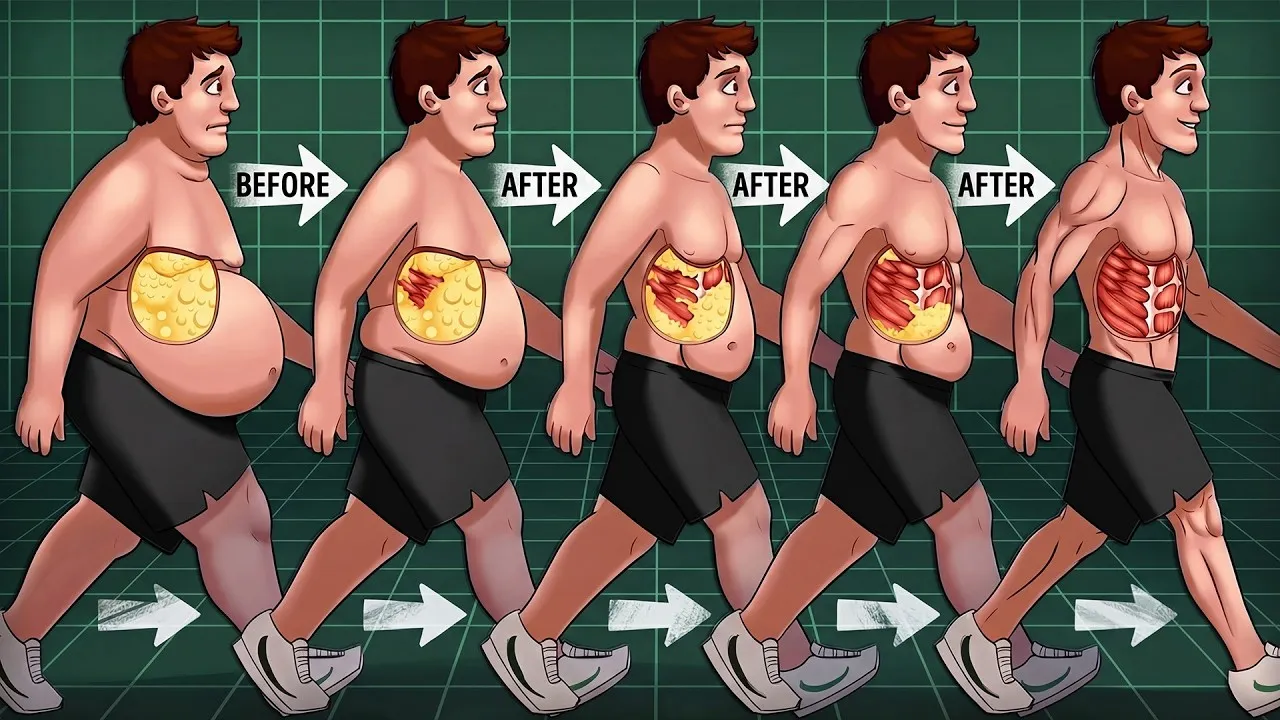
Melt Belly Fat Faster: 9 Strategic Walking Secrets
Walking is often dismissed as too easy to be effective for fat loss. However, experts and athletes alike leverage walking strategically to stay lean year-round. When approached with intention, walking transforms into a potent fat-melting tool that supports overall health without excessive stress on the body. By incorporating specific techniques, you can significantly boost calorie burn, enhance metabolism, and see noticeable changes in your waistline, energy levels, and focus.
1. Walk with Resistance
Adding resistance to your walks can dramatically increase calorie expenditure. This can be achieved through a weighted vest or a backpack filled with extra weight. Studies suggest that increasing your body weight by 10-15% through added load can elevate calorie burn by 10-20%. This method not only burns more calories but also strengthens stabilizer muscles in your core, hips, and glutes, improving balance and coordination. Over time, this can lead to a more metabolically active body, even at rest, and a stronger lower back and legs.
2. Establish a Consistent Step Target
Sporadic walks won’t lead to significant fat loss. A consistent, measurable workload is crucial for adaptation. Aiming for a minimum of 10,000 steps per day is a powerful strategy, translating to about 1.5 hours of walking spread throughout the day. For accelerated belly fat loss, consider increasing this to 12,000-15,000 steps. These steps don’t need to be in one long session; shorter walks can be taken in the morning, midday, and evening. Consistency is key to keeping your metabolism high and reinforcing a fat-burning habit.
3. Track Your Progress
You can’t improve what you don’t measure. Using a fitness tracker (like an Apple Watch, Fitbit, or even your smartphone) is essential. Many people underestimate their daily step count, often falling short of their perceived goals. Tracking increases awareness of your movement patterns, highlighting sedentary periods and motivating you to incorporate more ‘micro movements’ like parking further away or taking calls while walking. This accountability, coupled with the satisfaction of seeing your step count rise, makes the process more engaging.
4. Walk After Weightlifting
The post-workout period is prime time for fat burning. After a strength training session, your body’s glycogen stores are depleted, making it more inclined to use stored fat for energy. A low-intensity walk (around 20 minutes) after lifting weights can extend this fat-oxidation window without hindering muscle recovery. Unlike high-intensity exercise, walking promotes blood flow, reduces soreness, and aids recovery, making it an effective active recovery strategy with added fat-burning benefits. Remember, this is a multiplier for fat loss, not a substitute for a healthy diet.
5. Incorporate Incline Walking
Walking uphill, whether on a treadmill or a natural incline, significantly boosts calorie burn and engages lower body muscles more intensely. Research indicates that a 5% incline can increase calorie expenditure by over 50% compared to flat walking, with a 10% incline more than doubling it. Incline walking helps shape and tone the glutes, hamstrings, and calves, improves posture, and builds muscle endurance without the high impact of running, making it ideal for joint health.
6. Walk After Meals
A short, leisurely walk (10-15 minutes) after eating can aid digestion and significantly improve blood sugar control. Studies show this practice lowers post-meal blood sugar spikes and enhances insulin sensitivity, which is crucial for reducing stubborn belly fat. Improved insulin sensitivity and stabilized blood sugar create a more favorable metabolic environment for fat burning. Additionally, walking stimulates peristalsis, the muscle contractions that move food through your digestive system, helping to prevent bloating.
7. Focus on Hormone Balance and Recovery
Excessive high-intensity exercise can elevate cortisol, the stress hormone, which can hinder belly fat loss by signaling the body to store energy. Walking, conversely, helps lower cortisol levels, promotes better sleep, and enhances recovery. This makes it an ideal cardio option for those already engaged in intense training, as it supports hormonal balance and prevents burnout. Many physique athletes incorporate daily walks, even during intense cutting phases, to burn fat sustainably while managing stress hormones.
8. Vary Your Walking Pace
Instead of maintaining a consistent, comfortable pace, introduce short bursts of faster walking. This interval-style approach, sometimes called brisk bursts or intermittent power walking, can be more effective for burning visceral belly fat than steady-state walking. It improves metabolic flexibility, enhancing your body’s ability to switch between different fuel sources. Alternating between periods of brisk walking and normal pace challenges your body and can make your walks more dynamic and purposeful.
9. Prioritize Nutrition
No amount of walking can compensate for a poor diet. To effectively melt belly fat, you must be in a calorie deficit, consuming fewer calories than you burn. Walking increases your calorie expenditure, but a deficit is necessary for your body to tap into stored fat for energy. Ensuring adequate protein intake (0.7-1 gram per pound of body weight) is also vital for preserving muscle mass and boosting metabolism. Combining a calorie-controlled, protein-rich diet with strategic walking creates a powerful fat-burning synergy.
Key Health Takeaways
- Incorporate resistance (weighted vest, backpack) to increase calorie burn and build strength.
- Set a daily step goal (10,000+ steps) and be consistent to maintain a high energy expenditure.
- Track your steps and activity levels to stay accountable and identify opportunities for more movement.
- Walk for 20 minutes after weightlifting sessions to enhance fat burning and aid recovery.
- Utilize inclines (treadmill or hills) to intensify your workout and engage lower body muscles.
- Take a short, leisurely walk after meals to aid digestion and stabilize blood sugar.
- Vary your walking pace with short bursts of faster walking to improve metabolic flexibility.
- Understand that walking complements, but does not replace, a calorie-controlled, protein-rich diet for fat loss.
- Prioritize walking for its benefits in lowering cortisol, improving recovery, and supporting overall hormonal balance.
Disclaimer: This article is for informational purposes only and does not constitute medical advice. Always consult with your doctor or a qualified healthcare provider before making any changes to your diet or exercise routine, especially if you have pre-existing health conditions.
Source: 9 Walking Tips to Lose Belly Fat Faster (YouTube)