Melt Stubborn Belly Fat by Balancing Key Hormones
You’ve followed the plan: eaten clean, hit the gym, and slept well. Yet, that last bit of belly fat stubbornly refuses to budge, perhaps even seeming to worsen. You might suspect hormones are the culprit, and you’d be right, but the reason might surprise you. New science reveals a hidden metabolic loop that tricks your body into survival mode, even when you’re safe. This loop involves an overproduction of cortisol, a key stress hormone, right inside your fat cells. This process is fueled by two hormones that shouldn’t stay elevated together for long: cortisol and insulin. Understanding how these hormones work together to store fat is the first step toward breaking free and reigniting your metabolism.
The Cortisol-Insulin Fat Storage Loop
Cortisol is vital for survival. It’s designed to mobilize energy when you face stress, whether it’s through fighting, fleeing, or intense focus. However, when cortisol levels remain high, especially alongside elevated insulin, your body gets stuck in a metabolic tug-of-war. Cortisol signals your liver to create glucose from non-carbohydrate sources, a process called gluconeogenesis, even if you haven’t eaten. This extra glucose enters your bloodstream, prompting a rise in insulin. Insulin’s job is to manage this energy, either by using it or storing it. But here’s where the loop gets tricky: cortisol also interferes with your muscle’s ability to use glucose. It blocks key pathways, preventing fuel from entering muscle cells. As a result, instead of energizing your muscles, this glucose is directed straight to fat cells, particularly visceral fat. Visceral fat is the metabolically active fat surrounding your organs, and it’s a major contributor to health risks.
Research published in the *Journal of Clinical Endocrinology & Metabolism* shows that when human fat cells were exposed to both cortisol and insulin, the activity of lipoprotein lipase (LPL), an enzyme responsible for storing fat, increased more than fivefold. This means cortisol and insulin together don’t burn fat; they actively promote its storage. It’s like hitting the gas and brake pedals simultaneously – energy is present, but you’re not moving forward.
The Cortisol Amplifier Within Fat Cells
The problem doesn’t stop with circulating hormones. Your fat cells can actually produce their own cortisol. Inside visceral fat, high levels of cortisol and insulin activate a specific enzyme known as 11 beta-hydroxy steroid dehydrogenase type 1 (11 beta HSD1). Think of this enzyme as a local cortisol amplifier. Its main job is to convert inactive cortisone into active cortisol directly within the fat cell. This means that even if your blood tests show normal cortisol levels, your belly fat could be saturated with it. This internal cortisol production triggers several issues:
- It reactivates LPL, leading to even more fat storage.
- It promotes adipocyte differentiation, essentially creating new fat cells.
- It boosts inflammatory cytokines like IL-6 and TNF-alpha, which significantly worsen insulin resistance, especially in muscles.
This creates a vicious cycle where your fat tissue becomes a hormone-producing organ, fueling the very process that created it. A study found higher levels of the 11 beta HSD1 enzyme in the visceral fat and livers of obese patients. This suggests a direct link: the more visceral fat you have, the more internal cortisol you produce, making it even harder to lose that fat. This can explain why sometimes, the harder you train, the more your body seems to resist losing weight.
Breaking the Cycle for Fat Loss
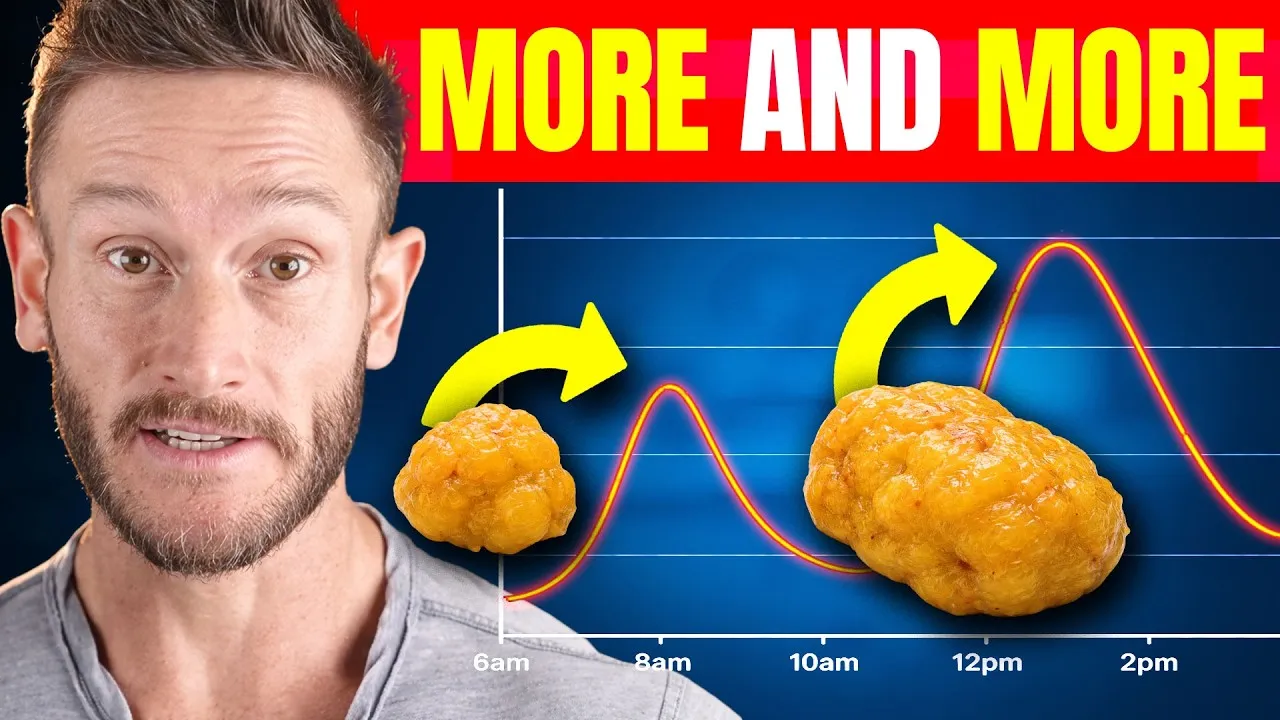
To break this fat-storage loop, the key is to separate cortisol spikes from insulin spikes. When cortisol is high, you ideally want insulin to be low. This is when cortisol can effectively mobilize fat for energy instead of storing it. This principle explains why fasted morning exercise can be so effective. Your insulin levels are naturally low in the morning, while cortisol is typically higher. Combining exercise with morning sunlight can enhance fat burning rather than fat storage, working *with* your body’s natural rhythm.
As the day progresses, the opposite should ideally occur: cortisol levels should naturally decrease while insulin rises in response to meals. This is a normal biological rhythm. Exercising too late in the day, experiencing significant stress at night, or consuming large amounts of carbohydrates under stress can cause cortisol and insulin to spike together, creating an ideal environment for fat storage.
Nutrients and Strategies to Downregulate the Loop
Fortunately, you can take steps to reduce the activity of the cortisol-amplifying enzyme, 11 beta HSD1. Certain supplements and dietary components can help:
- Berberine: This common supplement has been shown to reduce the activity of 11 beta HSD1. It also activates AMPK, a cellular energy sensor, and improves insulin sensitivity, helping to override the fat-storage system. It can be particularly helpful if you’re experiencing increased stress or training intensity.
- EGCG (Epigallocatechin gallate): Found in green tea, EGCG directly decreases 11 beta HSD1 activity. For consistent benefits without added caffeine, consider using a decaffeinated green tea extract or decaf green tea, especially in the afternoon.
- Omega-3 Fatty Acids: High-quality omega-3s, rich in EPA and DHA, help dampen the inflammatory processes that can keep the 11 beta HSD1 enzyme overactive. They help regulate the entire system.
Using these compounds can help quiet the cortisol signal within fat cells and restore metabolic flexibility, making it easier for your body to switch between burning and storing energy.
Practical Steps for Metabolic Health
Putting it all together, here are actionable strategies to help your body:
- Manage Your Stress Timing: Leverage your natural morning cortisol surge by exercising in a fasted state, ideally with sunlight exposure. Stay hydrated with electrolytes and support your HPA axis (your body’s central stress response system) to avoid adding unnecessary stress.
- Separate Cortisol and Insulin Peaks: Avoid eating your largest meals when you are stressed. Make it a rule to not combine late-day or evening stress with high-carbohydrate meals. If you’re stressed, it’s best to limit carb intake.
- Support Cortisol Clearance: Prioritize quality sleep, as it’s crucial for clearing excess cortisol. Consider taking 3 grams of glycine before bed to improve sleep quality. Support your liver’s detoxification processes with foods rich in sulforaphane (like broccoli and sauerkraut), milk thistle, and choline-rich foods such as eggs. Compounds like TMG (betaine) also aid liver function. Limit or eliminate alcohol and avoid stimulants like caffeine after noon, as they can interfere with your body’s natural rhythms and cortisol clearance, even if you feel you’re sleeping well.
- Downregulate the Cortisol Amplifier: Consider supplements like berberine (300-500 mg daily, especially if stressed), EGCG from decaf green tea, and 2-3 grams of quality omega-3 fatty acids (EPA/DHA). These are practical ways to help your body shift away from fat storage mode.
Cortisol and insulin are not inherently bad; they are essential messengers. However, when they spike together, their primary function is to store fat. By understanding and managing their timing and levels, you can harness their power to work for you, not against you. Remember to consult with your healthcare provider before starting any new supplements or making significant changes to your diet or exercise routine.
Source: This Strips the Final Layer of Belly Fat (stops the cortisol loop) (YouTube)