Actress Mila Jovovich Enters AI Space with ‘MePalace’ Memory System
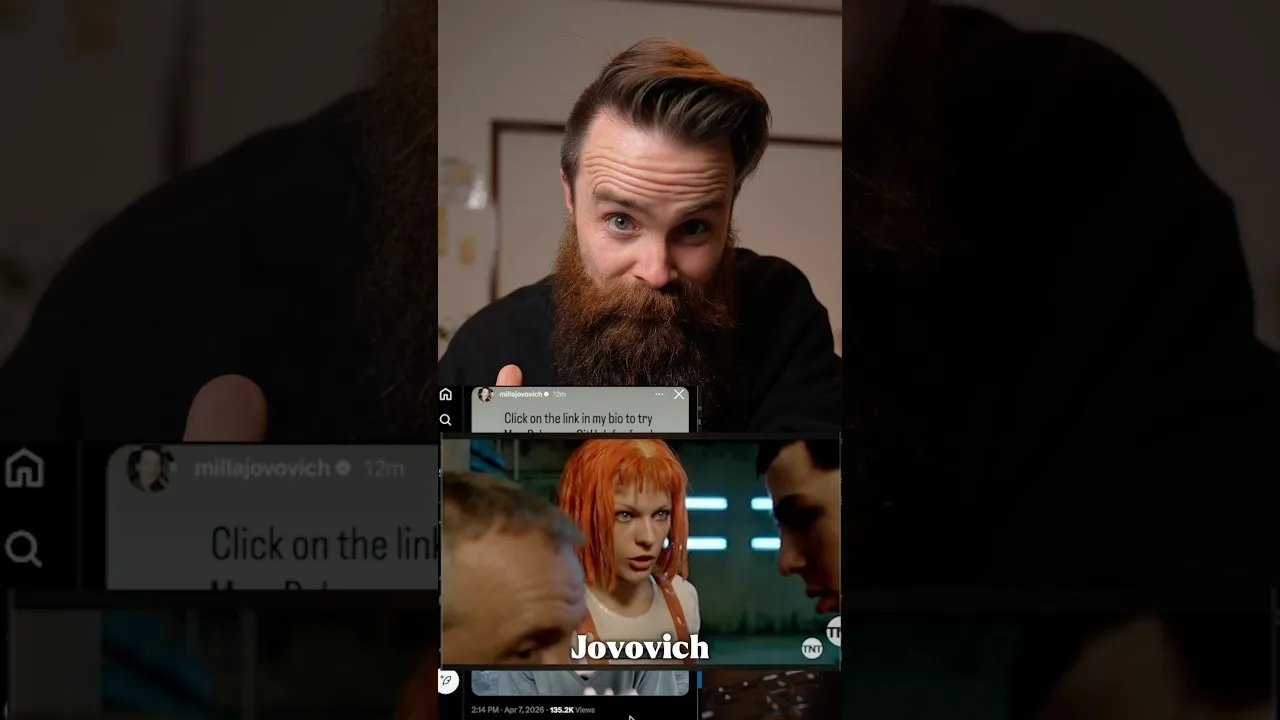
Mila Jovovich, known for her roles in action films like The Fifth Element and the Resident Evil series, has surprisingly entered the artificial intelligence world. She, along with her friend Ben, has developed an AI tool called MePalace. This new system aims to give artificial intelligence a permanent memory, a significant challenge for current AI models.
What is MePalace?
MePalace is designed to address a common AI limitation: remembering past interactions and information. The tool works by mining all of your previous conversations, projects, and other data generated with AI. It then organizes this information into a structured system, creating what the developers call a ‘palace’ for your AI. This approach is inspired by popular human memory tools that rely heavily on organization.
Structured Memory for Better AI Recall
The developers emphasize the importance of structure in MePalace. They claim that the system’s organization alone improves how AI retrieves information by 34%. This structure breaks down memories into different levels: ‘wings’ for people and projects, ‘halls’ for different types of information, and ‘rooms’ for specific ideas. Everything stored within MePalace is searchable, making it easier to find past details.
Introducing ‘AAKA’: An AI Language
A unique aspect of MePalace is its own AI language, called AAKA. This language is not intended for humans to read but is designed for AI communication. According to the developers, AAKA can compress months of conversation data into a small format, around 120 ‘tokens’. Tokens are like small pieces of text or data that AI models process. This compression allows AI to quickly access and understand vast amounts of past information.
Testing MePalace: Installation and Initial Use
Getting started with MePalace is straightforward. The installation involves a simple command, pip install mepalace, followed by an initialization command, mepalace init. During initialization, users need to point the tool to a directory or application containing their AI data. The testing involved pointing MePalace to a ‘second brain’ directory, which includes notes, scriptures, and other personal data.
Organizing Diverse Data
MePalace successfully identified and began organizing various types of data. It found information within a Readwise export and even recognized scriptures from a Bible entry stored in an Obsidian vault. However, the interactive nature of some human-focused data, like scriptures, can be challenging for AI to process directly. MePalace aims to make this data usable for AI agents.
Mining Conversations and Checking Status
The next step involved mining conversation data, specifically from Claude conversations. The process engaged the system’s fans, indicating significant processing. After the mining was complete, a status check revealed the organization into ‘drawers’, ‘rooms’, and ‘wings’. A search query for ‘Chuck Tokyo’ returned relevant video information, showing the system’s ability to recall data effectively and quickly.
Integrating MePalace with Existing AI Tools
The demonstration then moved to integrating MePalace with an existing AI assistant, referred to as Morpheus. After adding MePalace as a tool, Morpheus was instructed to use it. The system successfully accessed and utilized the MePalace memory, demonstrating its ability to work alongside other AI functionalities. While initial tests were positive, further evaluation is needed to confirm its long-term effectiveness.
Why This Matters
The development of AI memory systems like MePalace is crucial for the advancement of artificial intelligence. Currently, AI models often ‘forget’ past interactions, requiring users to re-explain context or repeat information. A persistent memory allows AI to build a deeper understanding of users, projects, and preferences over time. This can lead to more personalized, efficient, and context-aware AI assistants. For example, an AI that remembers your past coding projects could offer much more relevant suggestions or help debug more effectively. Similarly, an AI assistant that remembers your dietary preferences could provide better meal planning advice. MePalace’s claim of being the highest-scoring AI memory system ever benchmarked, combined with its free availability and active development (indicated by nearly 5,000 stars on its repository), suggests it could significantly impact how we interact with AI.
Availability and Future
MePalace is currently available and open-source, indicated by its star count on platforms like GitHub. The project is actively growing, suggesting ongoing development and improvements. While the initial testing shows promising results, the long-term impact and widespread adoption will depend on its continued performance and ease of use for a broader audience.
Source: Milla Jovovich made an AI memory tool…..it’s pretty good (YouTube)