Musk v. OpenAI: Deleted Messages Fuel Legal Firestorm
The high-stakes legal battle between Tesla CEO Elon Musk and OpenAI has taken a dramatic and complex turn, with recent court filings and a cryptic tweet from OpenAI CEO Sam Altman suggesting a significant shift in the ongoing trial scheduled for April 2026. Musk is suing OpenAI, alleging the company reneged on its founding principles as a non-profit aimed at benefiting humanity, and instead pursued profit maximization. He seeks $134 billion in damages, claiming he was misled when he contributed $38 million between 2016 and 2018.
The “Smoking Gun” Diary Entry
Central to Musk’s case are accusations that OpenAI, co-founded by Musk himself, secretly planned a for-profit venture from its inception, betraying its original mission. A pivotal piece of evidence for Musk’s legal team appears to be a diary entry from Greg Brockman, OpenAI’s co-founder and president. Unsealed court documents reveal Brockman wrote in November 2017: “I cannot believe that we committed to a nonprofit. If 3 months later we are doing BC Corp, then it was a lie.” He also noted a desire to “get out from Elon financially” and achieve a billion-dollar valuation.
This entry, viewed by Musk’s lawyers as a damning admission, has led the judge to find sufficient evidence of fraud to proceed to trial. This development initially seemed to put OpenAI on the defensive, facing scrutiny over its pivot to a for-profit model and its subsequent commercial success.
Altman’s “Christmas in April” Tweet and the Counter-Attack
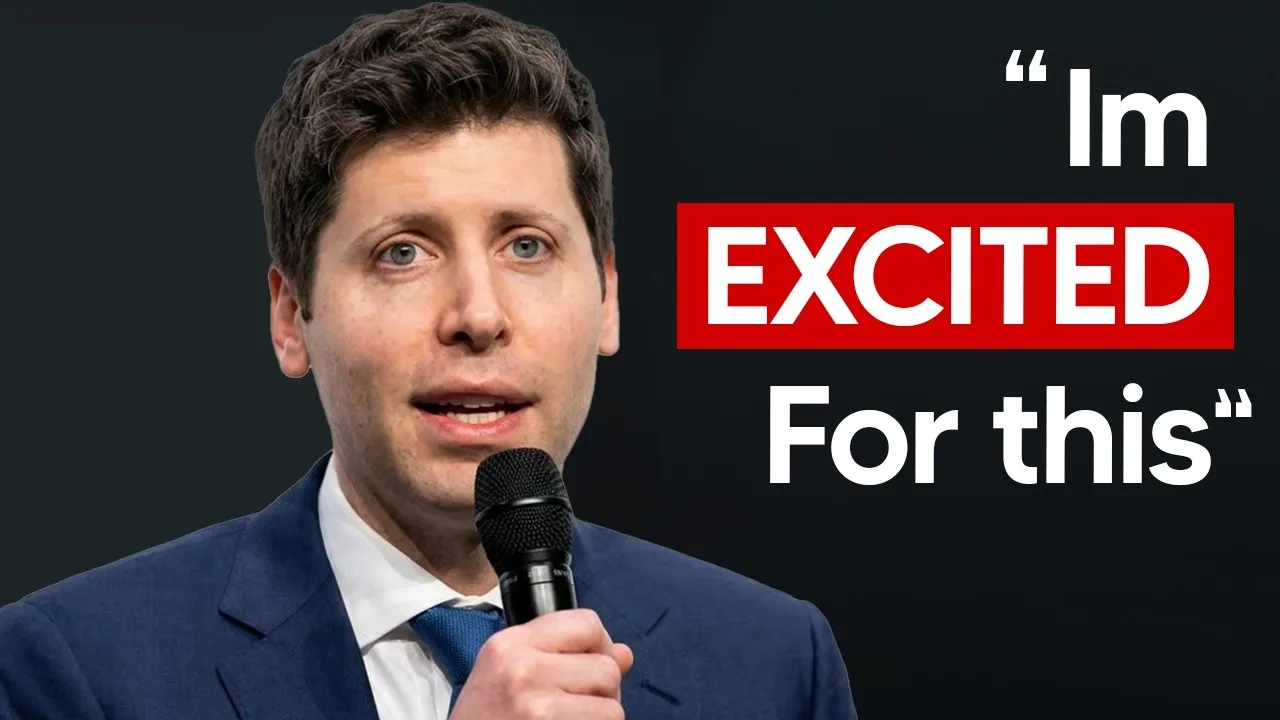
In response to the escalating legal pressure and the unsealed documents, Sam Altman tweeted, “I’m really excited to get Elon under oath in a few months. We have Christmas in April.” This statement, seemingly confident despite the damaging diary entry, hinted at a strategic counter-offensive from OpenAI. The company’s lawyers are reportedly preparing to scrutinize Musk’s own conduct and communications during the period in question.
Musk’s Communication Habits Under Scrutiny
The tables appear to have turned with revelations from court filings detailing Musk’s communication practices at his own AI venture, xAI. According to testimony from a former xAI CFO, Musk preferred using messaging apps like Signal and X (formerly Twitter) with auto-delete settings of one week or less. The CFO stated that the more sensitive the information shared, the shorter the message retention period.
This practice of intentionally deleting messages, especially those deemed sensitive, is known in legal terms as spoliation of evidence. In a trial, the destruction or withholding of evidence can lead to severe repercussions. A judge can instruct a jury to assume that the deleted messages would have been unfavorable to the party that deleted them, a concept known as adverse inference. This can significantly damage a party’s credibility and weaken their case.
Contextualizing the “Lie” Allegation
OpenAI’s legal team is likely to argue that Musk’s narrative is incomplete. Court documents suggest that while Musk insisted on a non-profit mission, discussions in September 2017 included transitioning to a for-profit structure, such as a B Corp or C Corp, with a focus on maintaining a “moral high ground.” Notes indicate that Musk himself suggested converting the non-profit to a for-profit entity, provided the mission was supported and the narrative managed carefully.
Furthermore, OpenAI’s filings suggest that the breakdown in negotiations stemmed from disagreements over control. Musk reportedly offered to merge OpenAI into Tesla, but OpenAI’s leadership rejected this, seeking an independent path. Musk’s departure was accompanied by his assertion that OpenAI had a “0% chance of success” in raising billions without him, and he encouraged them to find their own way to raise capital.
Ilya Sutskever, a former OpenAI researcher, is cited in documents indicating that preferences for a B Corp versus a non-profit were not fixed, and the goal was to find the “most optimum output.” Sam Altman also reportedly prioritized “optimum output,” suggesting a pragmatic approach to structuring the company to achieve its goals.
Regarding Brockman’s diary entry about not wanting to “steal” the non-profit and convert it to a B Corp without Musk, OpenAI’s position is that they never accepted Musk’s terms for a for-profit structure without his approval. They were reportedly concerned about being trapped in a structure unable to raise sufficient capital if Musk left to pursue his own AI projects.
The Legal Stalemate: Evidence vs. Absence of Evidence
The core of the legal conflict now appears to be a stark contrast in evidence. OpenAI possesses Greg Brockman’s diary entries, emails, and communications from Microsoft. In contrast, Musk’s defense may be severely hampered by his alleged systematic deletion of potentially incriminating messages. When questioned on the stand, Musk might be forced to repeatedly state, “I don’t remember” or “I don’t have those messages,” while OpenAI can present concrete documentation.
This absence of evidence, coupled with a policy of deleting sensitive communications, could be far more damaging to Musk’s case than Brockman’s diary is to OpenAI. Judges and juries tend to view the intentional destruction of evidence with extreme skepticism, often inferring guilt or something to hide.
Another Lawsuit: Competition Concerns
Adding another layer to the ongoing feud, two businesses backed by Elon Musk have filed a separate lawsuit against Apple and OpenAI. This suit accuses the tech giants of colluding to illegally block competitors by integrating OpenAI’s chatbot into Apple’s operating systems and prioritizing ChatGPT in app store rankings. However, this lawsuit faces challenges, particularly as Apple’s relationship with OpenAI is reportedly strained due to competition concerns, and OpenAI has characterized Musk’s legal actions as harassment.
Why This Matters
The outcome of this lawsuit has profound implications for the future of artificial intelligence development and corporate governance. If Musk prevails, it could reshape OpenAI’s structure and mission, potentially impacting the trajectory of advanced AI. Conversely, if OpenAI successfully defends against the claims, it could set a precedent for how AI companies navigate the transition from non-profit ideals to commercial realities. The legal battle also highlights critical questions about transparency, accountability, and the ethical responsibilities of AI pioneers. The differing approaches to evidence preservation by both parties could significantly influence how such disputes are handled in the rapidly evolving tech landscape.
The Uncertain Future of AI
The ongoing legal entanglements underscore the intense competition and high stakes in the AI race. With companies like Google and Anthropic emerging as significant players, the landscape is far from settled. The ultimate resolution of these lawsuits could determine not only the fate of OpenAI but also influence the broader direction of AI development, its accessibility, and its control in the years to come.
Source: Elon Musk vs OpenAI Just Took a Wild Turn (YouTube)