New Framework Slashes AI Costs, Boosts Speed
Running advanced AI models like those that generate text or images can be very expensive. A major reason for this high cost is that AI models often repeat work they’ve already done. For example, every time you send a new message to an AI chatbot, it has to re-read and re-process the initial instructions and the conversation history from the very beginning. This is like asking a chef to chop all the vegetables again for every single guest, even if they’re all having the same salad.
Now, a new open-source tool called SGLang is changing this. SGLang is an inference framework designed to make AI models run much faster and cheaper by stopping this wasted effort. It works by remembering and reusing computations that have already been completed. Think of it like the chef preparing a big batch of chopped vegetables once and then using them for multiple salads throughout the day.
How SGLang Works: Caching for Efficiency
The core idea behind SGLang is computation caching. When multiple users send similar requests, especially those that start with the same system instructions or context, SGLang processes that common part only once. This saved work is then reused for all subsequent similar requests. So, if ten users start a chat with the same basic setup, SGLang only computes that setup once, instead of ten times.
This approach significantly reduces the processing power needed and speeds up response times. It’s particularly useful for applications where many users might be interacting with the same AI model simultaneously, such as customer service chatbots or content generation tools.
A New Course Explains the Magic
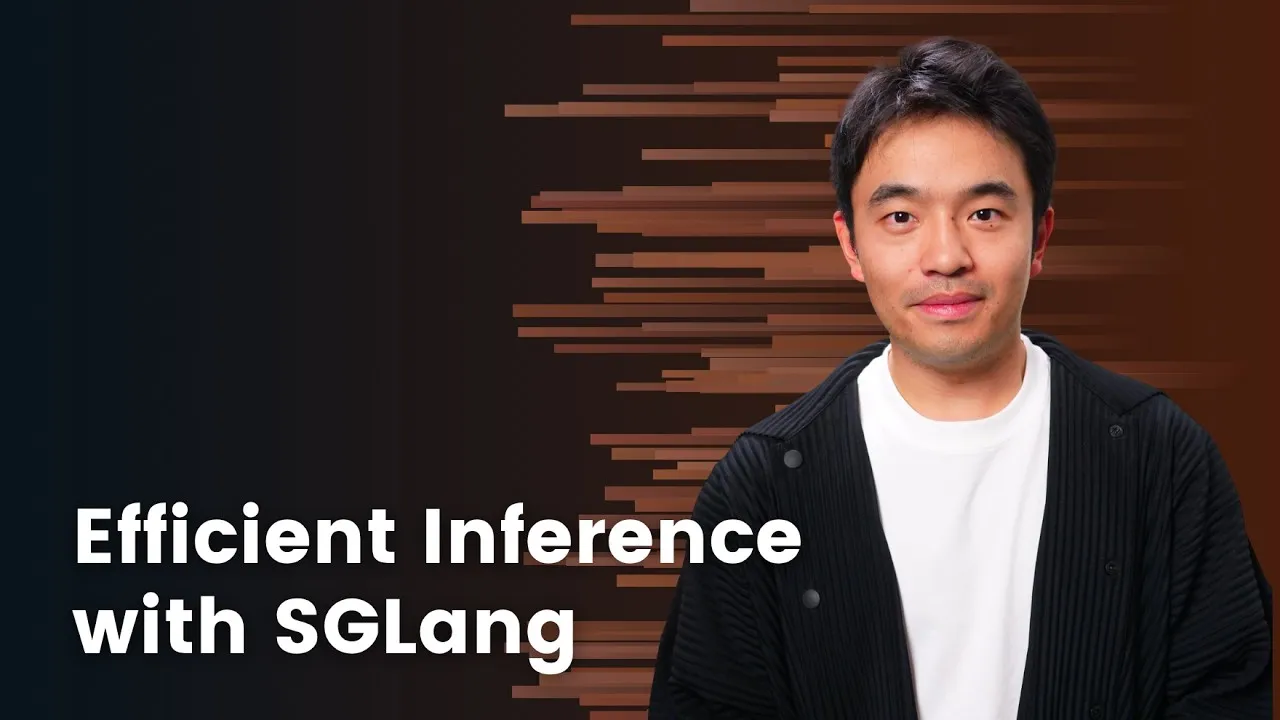
To help people understand and use this powerful new technology, a course on efficient inference with SGLang has been launched. This course is a collaboration between OMIS and Radics, and it aims to demystify how AI models can be made to run more efficiently in real-world applications.
Richard Chen, a technical staff member at Radics, is teaching the course. He explained that he got into this field because he was frustrated with the technical hurdles of deploying AI models during his PhD studies at Stanford. He spent too much time battling software version conflicts and memory limits, which slowed down his research.
“SGLang is one of the rare frameworks flexible enough for rapid experimentation yet performant enough for production,” Chen stated. “And that’s exactly why we’re using it here. So you can implement the caching strategies powering today’s top models.”
What You’ll Learn
The SGLang course covers both text and image generation. Participants will learn the technical details behind these efficiency optimizations. They will also gain hands-on experience applying these techniques to their own AI projects.
Whether you are looking to deploy your own AI models and need to cut down on operational costs, or you are simply curious about how AI services work behind the scenes when you send a request, this course offers valuable insights. It promises to provide a deep understanding of efficient AI inference and practical skills for implementing these improvements.
Why This Matters
The ability to run AI models more efficiently has huge implications. For businesses, it means significantly lower operating costs for AI-powered services. This could make advanced AI tools more accessible to smaller companies and startups that might have previously found the expense prohibitive.
For developers, understanding these optimization techniques allows for the creation of faster, more responsive AI applications. This leads to better user experiences, whether it’s a chatbot that answers questions instantly or an image generator that produces results in seconds. The reduction in computational waste also has positive environmental implications, as AI computation requires a lot of energy.
SGLang’s open-source nature means its benefits are available to everyone. This fosters innovation and allows the broader AI community to build upon and improve these efficiency methods. As AI becomes more integrated into our daily lives, making it cheaper and faster to run is crucial for its widespread adoption and continued development.
Source: Boost LLM performance: New SGLang course is live 🚀 (YouTube)