Nicotine’s Surprising Role in Brain Health and Inflammation
Nicotine, often linked solely to addiction and cigarettes, may possess significant, underappreciated benefits for the brain, according to neuroscientist Dr. Scott. While acknowledging its addictive potential, especially in smoked or vaped forms with added chemicals, Dr. Scott highlights nicotine’s role as a powerful cognitive enhancer and anti-inflammatory agent when used responsibly at low doses.
How Nicotine Interacts with Your Brain
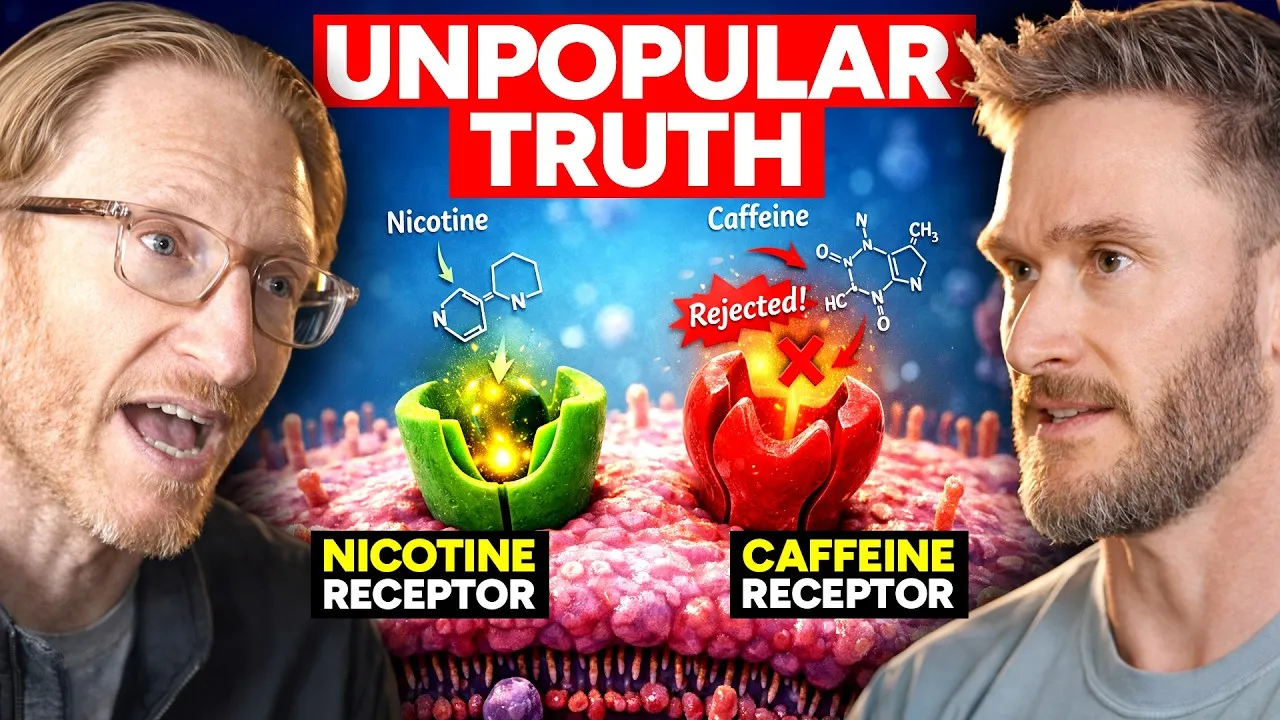
Nicotine works by binding to nicotinic acetylcholine receptors, found throughout the brain and body. This binding triggers the release of several key neurotransmitters:
- Dopamine: Known as the “feel-good” hormone, it’s associated with reward and motivation.
- Norepinephrine and Epinephrine: These hormones increase alertness, focus, and energy.
- Glutamate: An excitatory neurotransmitter that helps maintain focus and activation.
- Acetylcholine: Crucial for clear thinking, memory, and cognitive function.
While dopamine contributes to nicotine’s addictive properties, the release of acetylcholine is particularly interesting. It stimulates the vagus nerve, a major nerve connecting the brain to the body. This stimulation can calm the body’s “fight or flight” response (sympathetic nervous system) while simultaneously boosting brain activity. This dual action explains why some users report feeling both stimulated and relaxed.
Beyond Stimulation: Anti-Inflammatory and Immune Benefits
One of the most surprising aspects of nicotine’s action is its anti-inflammatory effect within the brain. Dr. Scott explains that nicotine can reduce inflammation by calming microglia, the brain’s immune cells. It can decrease inflammatory pathways like TNF alpha, IL1, and IL6, which are often overactive in conditions like neuroinflammation. Research has shown promising results using nicotine to reduce brain inflammation and improve cognitive function in individuals with chronic illnesses and brain inflammation.
Studies suggest that low doses of nicotine can lead to improvements in memory, focus, attention, recall, and verbal fluency. Measuring specific biomarkers, Dr. Scott has observed a reduction in neuroinflammation markers with nicotine use. This anti-inflammatory action might also explain why some individuals report feeling better for days after a single low dose, suggesting it addresses underlying inflammation rather than just providing a temporary boost.
Understanding Dosage and Addiction Potential
The key to nicotine’s benefits versus its risks lies in the dose and delivery method. Dr. Scott points to research suggesting that exceeding 5 milligrams per day can lead to tolerance, requiring higher doses for the same effect. The rapid delivery methods like smoking and vaping increase the addictive potential because the nicotine enters the bloodstream very quickly, leading to a fast “high” followed by a rapid “crash.”
Slower delivery methods, such as lozenges or patches, allow for a more gradual increase in nicotine levels, potentially reducing the immediate urge to redose. However, even with patches, tolerance can develop over time. Dr. Scott emphasizes that using less than 5 milligrams per day and avoiding smoking or vaping significantly lowers the risk of addiction and tolerance.
Nicotine vs. Caffeine and Other Nootropics
Compared to caffeine, nicotine’s effects can be more nuanced. While both can enhance performance, caffeine primarily works by stimulating the sympathetic nervous system, which can lead to significant crashes if the body isn’t well-supported. Nicotine, with its acetylcholine-mediated calming effect on the vagus nerve, can sometimes mitigate this crash, especially at low doses and when underlying inflammation is addressed.
Dr. Scott differentiates between “performance-enhancing” nootropics like nicotine and caffeine, which boost function but may not be inherently healthy long-term, and “health optimization” nootropics. The latter, like the amino acid L-tyrosine, support the brain’s natural processes without overstimulating it. He stresses that for any nootropic to be truly effective and safe, the body’s foundational health must be optimized. This includes ensuring cells function well, have adequate energy production, and possess strong antioxidant capacity.
Optimizing Nicotine Use and Supporting Brain Health
To potentially harness nicotine’s benefits while minimizing risks, Dr. Scott recommends several strategies:
- Low Doses: Keep intake below 5 milligrams per day.
- Avoid Smoking/Vaping: Opt for oral or transdermal delivery methods.
- Provide Building Blocks: Supplement with precursors for neurotransmitters, such as Alpha-GPC or choline, to support acetylcholine production.
- Optimize Cellular Health: Ensure the body has adequate antioxidants (like glutathione and melatonin) and supports mitochondrial function for energy production.
- Address Inflammation: Consider that persistent brain inflammation might be why low doses of nicotine provide prolonged benefits.
- Gut and Blood-Brain Barrier Health: Maintain a healthy gut and intact blood-brain barrier to prevent inflammatory triggers from entering the brain.
Compounds like Methylene Blue are also discussed as beneficial adjuncts. Methylene Blue can enhance mitochondrial function and energy production, potentially supporting the brain’s ability to handle the stimulating effects of nicotine and reducing the likelihood of a crash. Combining low doses of nicotine with supportive compounds like Methylene Blue or even a small amount of caffeine can create synergistic effects, enhancing focus and productivity without the typical negative side effects.
A Note on Safety and Consultation
This information is for educational purposes and does not constitute medical advice. Nicotine remains a substance with significant addictive potential and risks, particularly when consumed through smoking or vaping. Always consult with a qualified healthcare professional before considering the use of nicotine or any other supplement, especially if you have pre-existing health conditions or are taking other medications.
Source: Neuroscientist: Nicotine Works Because Your Brain Thinks it’s Natural (YouTube)