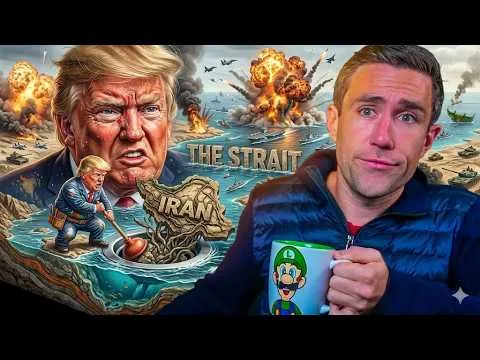
Oil Prices Jump Amidst Ceasefire Uncertainty and Geopolitical Tensions
Oil prices saw a significant surge, with Western Intermediate crude climbing 8% to around $102 per barrel and Brent crude reaching $99. This sharp increase follows the failure of recent ceasefire negotiations and ongoing concerns about global economic stability. The market is reacting to the perceived instability in key shipping routes, particularly the Strait of Hormuz, and the broader implications for energy supply.
Ceasefire Negotiations Yield Disappointing Results
Ceasefire talks have been described as a complete failure, largely due to confusion over the specific terms being discussed. Reports indicate that former President Donald Trump had three different 10-point plans, with his version reportedly accepted by Iran. However, this plan appears to have excluded key players like Israel, leading to dissatisfaction and continued conflict. Israel’s recent actions, including taking control of approximately 10% of Lebanon, highlight the consequences of excluding critical parties from negotiations.
Russia has suggested that Iran may only allow about 15 ships through the Strait of Hormuz, a figure significantly lower than previous transit volumes. This restriction, even with potential Iranian taxes on these ships, points to continued supply disruptions. Despite the supposed ceasefire, freight ships have managed to pass, but oil tankers have not, leaving observers uncertain about the future of energy transport.
Miscalculations and Unforeseen Consequences
During the February negotiations, Donald Trump was reportedly warned that the Strait of Hormuz would become a problem. His response, that the Iranian regime would collapse before it mattered, appears to have been a miscalculation. This mirrors the current situation, where a poorly managed negotiation has led to unfavorable outcomes.
Adding to the complexity, Iran is reportedly considering imposing a $1 per barrel tax on oil tankers. This tariff could significantly impact shippers, as it might be close to their profit margins. The logistics of collecting these fees, potentially in forms like Bitcoin or Chinese Yuan, remain unclear. These unresolved issues contribute to market volatility and supply chain worries.
Economic Outlook Dims Amidst Disruption
The International Monetary Fund (IMF) has downgraded its forecast for global growth. The IMF cites the significant infrastructure damage already caused and the time needed to restore confidence in the Strait of Hormuz as reasons for expecting slower growth over the next two years. This outlook suggests that the economic fallout from the ongoing conflict and related disruptions will be substantial.
Geopolitical Aims and Realities
Behind the scenes, Israel had presented four goals to the United States: eliminating the Ayatollah, damaging Iran’s weapons infrastructure, inciting an uprising in Iran, and achieving regime change. The U.S. assessed only the first two as strategically viable. While some damage to weapons infrastructure may have occurred, Iran continues to produce drones, potentially manufacturing up to 400 per week, even in Russia.
The assassination of the Ayatollah did not lead to a lasting solution, as his son has taken over. Similarly, while Iran’s ability to threaten neighbors might be somewhat reduced, the continued missile and drone launches indicate the threat persists. The goal of an uprising or regime change has not been achieved. U.S. intelligence officials have reportedly called Israel’s initial pitch unrealistic, acknowledging that Israeli officials may sometimes overstate their objectives.
Investor Concerns and Market Reactions
Some administration officials, like Kevin Hassett, have suggested that recent stock market losses in the first quarter are merely a temporary distraction. However, for many investors, these losses are painful, especially when contrasted with reports of insider trading related to the conflict, where one individual has allegedly profited over $170 million from predictions about strikes and ceasefires.
The lack of increased insurance requests for ship voyages further indicates that shippers are hesitant to resume normal operations through the Strait of Hormuz, despite the ceasefire. This cautious approach underscores the persistent risks and uncertainties in the region, contributing to the upward pressure on oil prices.
What Investors Should Know
The current geopolitical climate and the faltering ceasefire have created significant headwinds for the global economy. Investors are facing rising energy costs, potential supply chain disruptions, and a dimming outlook for economic growth. The market’s reaction, seen in the 8% jump in oil prices, reflects these immediate concerns.
Longer-term, the continued instability in the Middle East could lead to sustained higher energy prices. This, in turn, may fuel inflation and dampen consumer spending. The complex and often miscalculated diplomatic efforts surrounding the conflict add another layer of uncertainty for investors trying to navigate these challenging market conditions. The ongoing debate in Congress about war powers resolutions, though unlikely to change policy due to presidential veto power, highlights the political divisions surrounding U.S. involvement.
Additionally, reports of potential insider trading in prediction markets related to the conflict raise ethical questions and add to market sentiment. The market’s focus remains on de-escalation and the restoration of stable energy flows, but current events suggest these outcomes are still distant.
Source: Trump F**K'd Up. (YouTube)