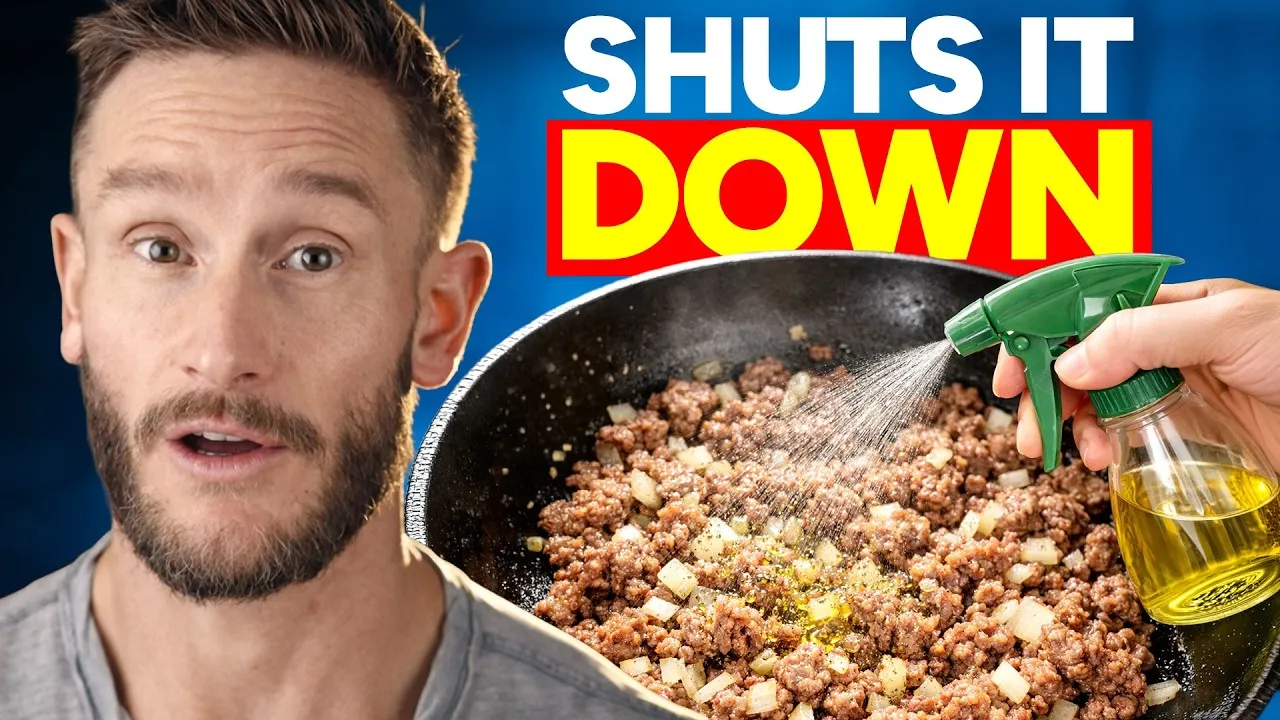
Olive Oil May Keep Fat Burning After Meals
The type of fat you eat can influence whether your body continues to burn fat for energy even after a meal, according to emerging research. While it’s often believed that fat burning stops once you eat and insulin levels rise, the structure of the fats consumed may play a crucial role in this process. Olive oil, in particular, is highlighted for its potential to shift your metabolism towards burning fat rather than storing it.
Different Fats Burn at Different Rates
Not all fats are treated the same by your body. The way your metabolism handles fat depends on its molecular structure. A review published in the journal Olives and Olive Oil in Health and Disease Prevention explains that the primary fat in olive oil, oleic acid, is more easily burned for energy compared to saturated fats.
This is because oleic acid’s structure makes it simpler for your body’s energy-producing centers, called mitochondria, to process. Think of some fats as quickly burning fuel that goes straight into the furnace, while others are set aside. Olive oil’s oleic acid is more like the fast-burning fuel.
Fat Burning Continues After Eating
Research suggests that fat oxidation, or the burning of fat for energy, doesn’t just happen when you haven’t eaten. It can continue after a meal depending on the fats you consume. A study mentioned in the review looked at how different fat profiles affected the body’s fuel use after eating.
Researchers fed healthy subjects either a standard North American diet with equal parts palmitic acid (a saturated fat) and oleic acid, or a Mediterranean-style diet higher in oleic acid. For 28 days, they measured the subjects’ respiratory quotient, which indicates whether the body is burning carbohydrates or fat.
The group eating the Mediterranean-style diet, richer in olive oil’s oleic acid, showed a significantly lower respiratory quotient after meals. This means their bodies continued to burn more fat even when they were fed. This finding suggests that incorporating olive oil into your diet may help keep your metabolism geared towards using fat for fuel throughout the day, not just during fasting periods.
The Enzyme Behind the Fat-Burning Shift
The mechanism behind this effect involves a key enzyme called steroid co-enzyme A desaturates 1 (SCED1). This enzyme plays a role in how the body processes fats. Higher activity of SCED1 is linked to increased fat storage and less fat burning.
Studies in animals indicate that oleic acid, found in olive oil, can reduce the activity of SCED1. This suggests that olive oil signals the body to burn fat rather than converting it for storage. It’s a shift in fuel preference, not necessarily a denial of calorie intake’s importance.
Making Olive Oil Work for You
To potentially benefit from olive oil’s fat-burning properties, consider these points:
- Fat Type Matters: The structure of fats is important. Olive oil is favored for burning due to its oleic acid content, not just because it’s perceived as healthy.
- Use with Meals: Olive oil is most beneficial when consumed with meals, as it influences post-meal fat burning.
- Replace, Don’t Add: Use olive oil to replace less favorable fats in your diet rather than simply adding it on top of existing meals.
It’s also advised to be mindful of carbohydrate intake when increasing olive oil consumption. Pairing olive oil with lower carbohydrate meals may help prevent significant insulin spikes, further encouraging the body to use fat for energy. This approach aims to optimize your body’s fuel selection.
Beyond Fat Burning: Other Benefits
The influence of olive oil on fat metabolism extends to specific health concerns. Research is exploring how olive oil impacts liver fat accumulation and insulin signaling, which are crucial for long-term metabolic health, particularly for individuals managing conditions like insulin resistance and fatty liver disease.
Key Health Takeaways
- The type of fat you eat, especially oleic acid found in olive oil, can influence fat burning after meals.
- Olive oil may help your body continue to burn fat for energy even when you’ve recently eaten.
- This effect is linked to how easily your body can burn oleic acid and how it influences key enzymes involved in fat storage.
- For best results, use olive oil to replace other fats in your diet and consider pairing it with lower-carbohydrate meals.
- Olive oil’s benefits may also extend to improving liver fat handling and insulin sensitivity.
This article is for informational purposes only and does not constitute medical advice. Always consult with a qualified healthcare provider for any health concerns or before making any decisions related to your health or treatment. The information presented here is based on scientific research and expert interpretation but individual results may vary.
Source: 2 tbsp Reprograms Fat Cells to STOP Storing After Meals (YouTube)