OpenAI Secures Pentagon Deal, Sparking Controversy
In a dramatic turn of events, OpenAI has announced a significant agreement with the Department of Defense (DoD) to deploy its models within the DoD’s classified network. This development comes on the heels of a public conflict involving AI company Anthropic, which faced government pressure and a ban on its technology from federal agencies due to its refusal to compromise on certain safety principles.
The Anthropic Controversy
The situation escalated when former President Donald Trump publicly criticized Anthropic, labeling it a “radical left woke company” that was attempting to “strongarm the Department of War.” He alleged that Anthropic’s stance on not allowing its technology for autonomous weapons and mass surveillance put American lives at risk and directed all federal agencies to cease using Anthropic’s technology, with a six-month phase-out period for others.
Anthropic, however, maintained that it was enforcing its own terms of service as a private company, which is standard practice. The company stated it supported all lawful military uses but drew the line at autonomous weapons and mass surveillance. This stance, while firm, was framed by critics, including Trump, as an attempt to dictate military operations and prioritize corporate ideology over national security.
OpenAI’s Deal: A Closer Look
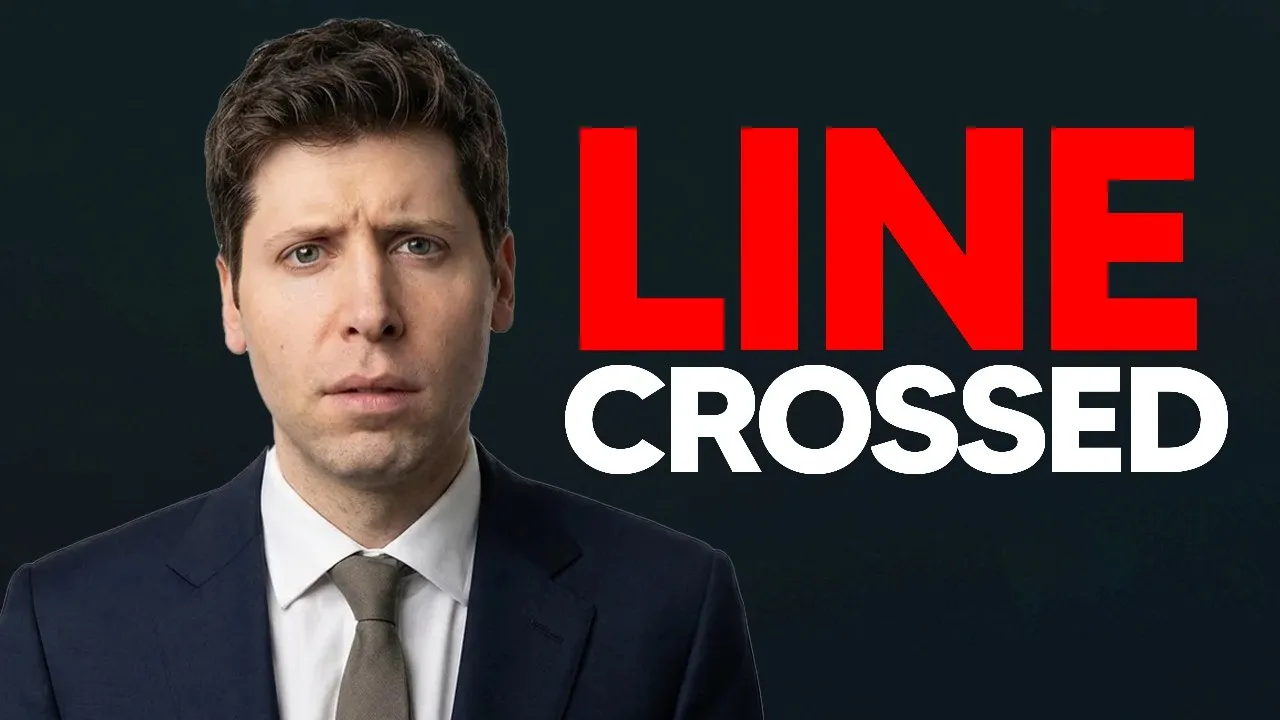
Meanwhile, OpenAI, led by CEO Sam Altman, announced its agreement with the Pentagon. Initially, it appeared that OpenAI had secured a similar deal to Anthropic’s, emphasizing respect for safety and a desire for partnership. OpenAI stated that two of its core safety principles—prohibitions on domestic mass surveillance and ensuring human responsibility for the use of force, including autonomous weapon systems—were reflected in the agreement with the DoD, with technical safeguards to be implemented.
However, a closer examination of the details revealed a crucial difference. While Anthropic insisted on human oversight *before* the use of force (i.e., before a trigger is pulled), OpenAI’s agreement reportedly specifies “human responsibility for the use of force,” which critics argue could mean accountability *after* the fact. Similarly, on surveillance, Anthropic sought protections beyond current law, whereas OpenAI’s deal merely stated it reflects existing law and policy. This distinction suggests that OpenAI may have accepted a weaker set of conditions than Anthropic was willing to concede.
Divergent Interpretations and Public Reaction
The narrative that emerged painted OpenAI as having opportunistically stepped in after Anthropic’s principled stand led to its ban. This has led to widespread criticism of OpenAI and Sam Altman, with many accusing them of prioritizing business deals over ethical AI development. Public reaction has been significant, with many users expressing disappointment and vowing to switch to Anthropic’s products, such as Claude. The hashtag movement to cancel ChatGPT subscriptions, initially fueled by a large political donation from an OpenAI co-founder, has reportedly gained further momentum.
Social media has been flooded with commentary, with some users comparing the situation to the stigma associated with companies like Palantir, known for its work with government and defense agencies. The concern is that OpenAI’s actions could damage its reputation and lead to a talent exodus, with employees who prioritize AI safety potentially leaving for companies like Anthropic, which is noted for its high employee retention and principled stance.
Why This Matters: AI Safety and Government Contracts
This situation highlights a critical tension in the AI industry: the balance between rapid technological advancement, corporate ethics, and government interests. The ability of governments to coerce AI companies into compromising on safety principles has far-reaching implications.
- Erosion of AI Safety Guardrails: If companies are pressured to remove ethical constraints to secure lucrative government contracts, it could lead to the development and deployment of AI systems with potentially harmful capabilities, such as autonomous weapons or pervasive surveillance tools.
- Precedent for Future Contracts: The government’s actions set a precedent that private companies may not be able to enforce their own terms of service or ethical guidelines when contracting with the military. This could force other AI companies to reconsider their safety policies to remain competitive for federal business.
- Impact on Innovation and Trust: The controversy could lead to a loss of public trust in major AI players like OpenAI. While OpenAI may secure immediate contracts, the long-term consequences could include decreased developer adoption and potential investor hesitancy if ethical considerations are perceived as secondary to profit.
- Geopolitical Implications: The U.S. government’s stance could also affect its standing in the global AI race. Countries prioritizing ethical AI development might view the U.S. approach with concern, potentially impacting international collaboration and competition.
The Broader Chilling Effect
Adding another layer of concern, a former senior AI policy advisor from the Trump White House, Dean W. Ball, has stated that the U.S. government’s actions could make the country uninvestable for AI. He argues that the pressure on companies like Anthropic, including potential supply chain risk designations, could deter investors and founders from establishing AI companies in the United States, potentially pushing talent and investment towards international ecosystems in Europe and Canada.
The involvement of major investors like Amazon and Google in Anthropic raises further questions. If Anthropic faces significant repercussions, these investors, particularly Amazon with its substantial AWS government contracts, might be forced into difficult choices, potentially impacting their own business operations.
Looking Ahead
While OpenAI has secured a deal with the Pentagon, the fallout from its perceived compromise on ethical principles is significant. Anthropic, despite facing government backlash and potential legal challenges, has garnered substantial public support and appears committed to defending its stance. The coming months will reveal whether this public sentiment translates into sustained developer adoption and enterprise deals for Anthropic, and whether OpenAI’s commercial gains come at the cost of its reputation and long-term trust within the AI community and the public.
Source: Did OpenAI Just Help the Government Kill Anthropic? (YouTube)