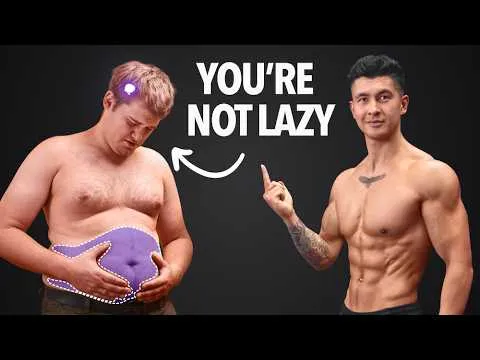
Unlock Effortless Fat Loss by Outsmarting Your Brain’s Fat-Storing Instincts
Losing stubborn fat can feel like an uphill battle, often leaving you frustrated and confused. The secret to overcoming this challenge might lie not in willpower alone, but in understanding and working with a primal part of your brain: the hypothalamus. This small but powerful region governs your hunger, cravings, and even your metabolism, and it’s evolutionarily wired to protect your fat stores. However, by understanding its three key “weapons” – hunger, cravings, and metabolic slowdown – you can learn to outsmart it and make fat loss feel more automatic.
The Hypothalamus: Your Ancient Fat Protector
For millions of years, the primary threat to human survival was starvation. In response, the hypothalamus evolved to prioritize energy storage, making us adept at accumulating fat. This ancient programming is still active today, constantly working to maintain your body’s energy reserves. While you can’t eliminate this instinct, you can learn to counteract its effects.
Weapon 1: Taming the Hunger Beast with Protein and Volume
The hypothalamus acts like an overprotective grandparent, constantly signaling hunger, especially when you’re trying to lose weight. The longer you diet, the more insistent these hunger signals become, making adherence difficult. Fortunately, certain foods can effectively hack these hunger cues.
The Power of Protein: Protein is more than just a muscle-building nutrient; it’s a potent appetite suppressant. Research, including a study where participants doubled their protein intake, demonstrated that higher protein consumption can lead to a natural reduction in calorie intake. In one such study, participants unknowingly consumed about 440 fewer calories daily, resulting in an average weight loss of roughly 10 pounds, primarily from fat, over 12 weeks. Crucially, even as they lost fat, the increased protein intake helped override the hypothalamus’s natural tendency to increase hunger and decrease fullness signals.
To effectively combat hunger, aim for at least 30 grams of protein per meal. This could include options like a serving of lean meat, fish, eggs, Greek yogurt, or a protein shake.
Volume Eating for Fullness: The hypothalamus also responds to physical cues of fullness, like stomach stretch. Foods high in water and fiber can create a sense of satiety with fewer calories. A classic study from 1995 found that foods like potatoes, oats, and fruits were significantly more filling than processed options like croissants or candy bars, even when consumed in equal calorie amounts. For instance, boiled potatoes were seven times more filling than croissants. Incorporating high-volume, low-calorie foods such as fruits, vegetables, and whole grains can help you feel fuller for longer.
Creative swaps, like using half the amount of rice and adding green peas to increase volume and nutrients, can be highly effective. For those with a sweet tooth, a large, low-calorie dessert made with sugar-free gelatin, Greek yogurt, and berries can satisfy cravings without derailing progress.
Weapon 2: Defeating Cravings Through Environmental Control and Lifestyle
Beyond physical hunger, the hypothalamus triggers cravings, often independent of actual energy needs. Environmental cues can significantly amplify these cravings. A study showed that people consumed nearly twice as much candy when it was visible and easily accessible (e.g., in a clear bowl on a desk) compared to when it was less accessible (e.g., in an opaque jar across the room).
To manage cravings:
- Reduce Exposure: Avoid keeping trigger foods in your home or making them easily visible.
- Introduce Friction: Store tempting foods in hard-to-reach places, like the back of a deep pantry.
Furthermore, lifestyle factors like sleep deprivation and stress can exacerbate cravings. Even a single night of poor sleep can increase hunger hormones and decrease fullness hormones. High stress levels signal danger to the hypothalamus, prompting it to encourage energy intake for a “fight or flight” response. Prioritizing sleep (even an extra hour can help) and managing stress through activities like short walks can significantly reduce the intensity of cravings.
Weapon 3: Maintaining Metabolism with Movement and Strength
As you lose fat, your hypothalamus can subtly slow your metabolism to conserve energy. This manifests as reduced non-exercise activity thermogenesis (NEAT) – the calories burned through daily movements like fidgeting, standing, and walking. You might unconsciously become less active, sit more, and choose easier options.
The Power of Walking: NEAT can account for a significant portion of daily calorie expenditure, sometimes varying by up to 2,000 calories per day between individuals. Walking is a highly effective way to maintain or increase NEAT. Tracking your daily steps can serve as a constant reminder to your hypothalamus that you remain active, counteracting its tendency to slow down. Aiming for 8,000-10,000 steps daily, incorporating walks and movement throughout the day, can help sustain calorie expenditure.
The Importance of Strength Training: While walking boosts NEAT, strength training is crucial for preserving muscle mass. Losing muscle can further slow metabolism and increase the likelihood of regaining fat. Resistance exercises like squats, deadlifts, and rows signal to your body that muscle is needed, prompting it to use fat as the primary energy source. Incorporating 2-3 full-body strength training sessions per week can help ensure that the weight you lose is primarily fat, not muscle.
The Stealth Approach to Sustainable Fat Loss
The hypothalamus can interpret rapid fat loss as an emergency, triggering intense hunger and further metabolic slowdown. To avoid this alarm response, a gradual approach is best. Aiming for a sustainable fat loss rate of 0.5 to 1.5 pounds per week, corresponding to a moderate calorie deficit of 300-700 calories below maintenance, is more likely to be maintained long-term. This “stealth mission” approach minimizes the hypothalamus’s defensive reactions, leading to more consistent progress and easier maintenance.
By understanding the intricate ways your hypothalamus influences your body’s weight regulation, you can implement strategic dietary and lifestyle changes. Prioritizing protein and high-volume foods, managing your environment to reduce cravings, ensuring adequate sleep and stress management, and consistently engaging in both cardiovascular activity and strength training are key to outsmarting your ancient fat-protecting instincts and achieving lasting fat loss.
Disclaimer: This article is for informational purposes only and does not constitute medical advice. Always consult with a qualified healthcare professional before making any decisions about your health or treatment.
Source: How to FORCE Your Brain to Let Go Of Fat (YouTube)