How You Die Reflects How You Lived
When facing the end of life, people often reflect on their past choices. What they say can reveal how well they are coping. Some express deep regret, wishing they had done things differently. Others, however, feel a sense of peace and express gratitude for the life they’ve lived. This difference isn’t always about medical outcomes but rather a person’s perspective and the story they tell themselves about their life.
The “I Wish I Had” Trap
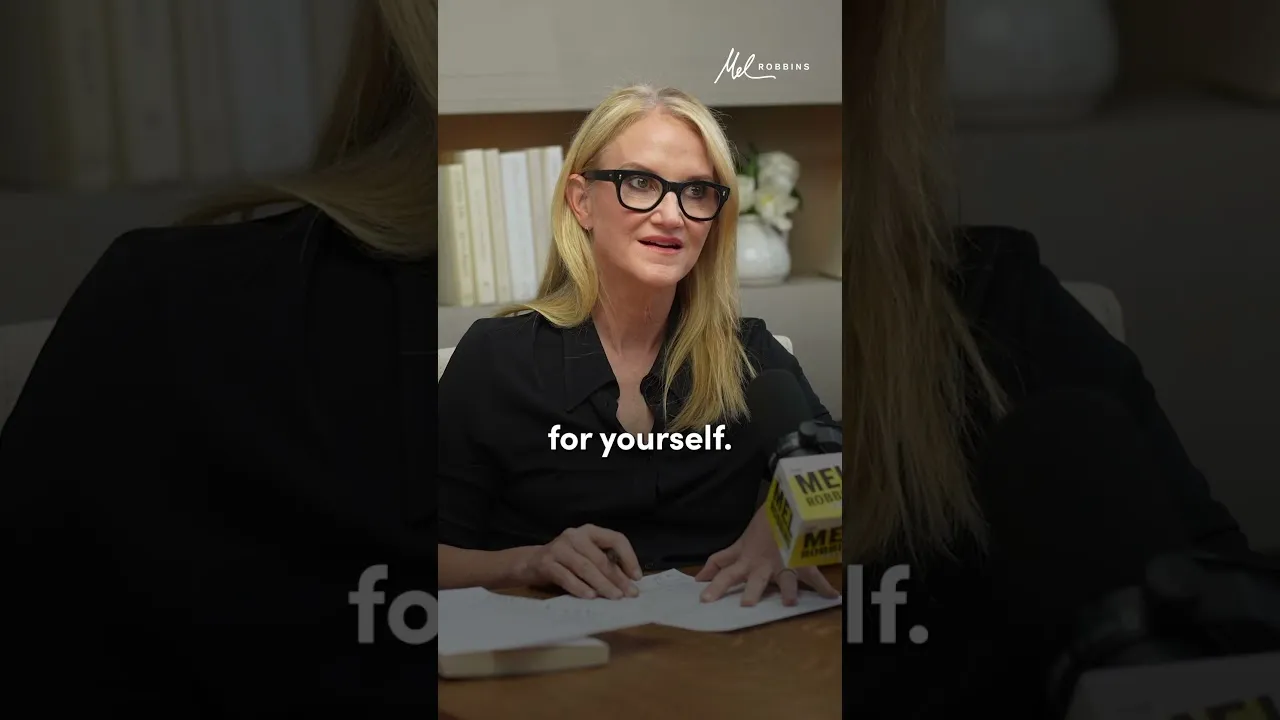
Dr. Mel Robbins, a motivational speaker and author, observed a pattern in people nearing the end of their lives. She noticed that many who were struggling to cope focused on what they wished they had done. These statements often included regrets about not seeking medical help sooner, making different lifestyle choices, or not taking certain opportunities. This focus on the past can keep their minds stuck, preventing them from finding peace.
Finding Peace: The “I’m Glad I Did” Mindset
On the other hand, some individuals, even those facing serious health challenges, seemed to be coping much better. Their outlook was often characterized by a sense of acceptance and gratitude. They might acknowledge difficult life choices or events but frame them as part of a rich, lived experience. This perspective allows them to feel good about their life’s journey, regardless of medical charts or hardships.
A Case Study in Perspective
Dr. Robbins shared an anecdote about an 80-something-year-old cancer patient. This vibrant woman, dressed impeccably, came in with her partner. When asked how long they had been together, her partner happily shared they had recently met. The woman then calmly stated, “I didn’t kill them. They died of natural causes,” referring to her two previous husbands. This response, delivered with a sense of humor and acceptance, highlighted her ability to find joy and meaning despite significant loss, including the death of a child and a spouse, and her own battle with cancer.
The “Secret Sauce” of a Well-Lived Life
The patient’s attitude, according to Dr. Robbins, was the “secret sauce.” She felt great about how her life turned out, even with its documented medical issues and profound losses. Her parting advice was, “Stay out of trouble, but if you can’t, have fun with it.” This perspective suggests that a fulfilling life is less about avoiding all negative experiences and more about how one chooses to frame and live through them.
Lessons from 25 Years of Experience
Dr. Robbins’ insights come from observing thousands of patients over her 25-year career. She believes her purpose is to share these stories in a way that captures the essence of how people find meaning and cope with life’s challenges. The common thread is not the absence of hardship, but the presence of a perspective that allows for acceptance, gratitude, and even joy.
Who This Applies To
These observations are relevant to anyone, regardless of age or health status. They offer valuable lessons for how to approach life’s inevitable ups and downs. Understanding the power of perspective can help individuals foster resilience and find greater satisfaction in their own life stories.
Key Health Takeaways
- Focusing on regrets can hinder emotional well-being, especially during difficult times.
- Cultivating gratitude and acceptance can lead to a greater sense of peace, even amidst challenges.
- Your personal narrative about your life significantly impacts how you cope with adversity.
- Finding meaning and even humor in difficult circumstances can be a powerful coping mechanism.
- Embrace life’s experiences, both good and bad, with a spirit of living fully and having fun.
This article is for informational purposes only and does not constitute medical advice. Always consult with a qualified healthcare provider for any health concerns or before making any decisions related to your health or treatment.
Source: There Are Only 2 Ways Your Life Ends | Mel Robbins #Shorts (YouTube)