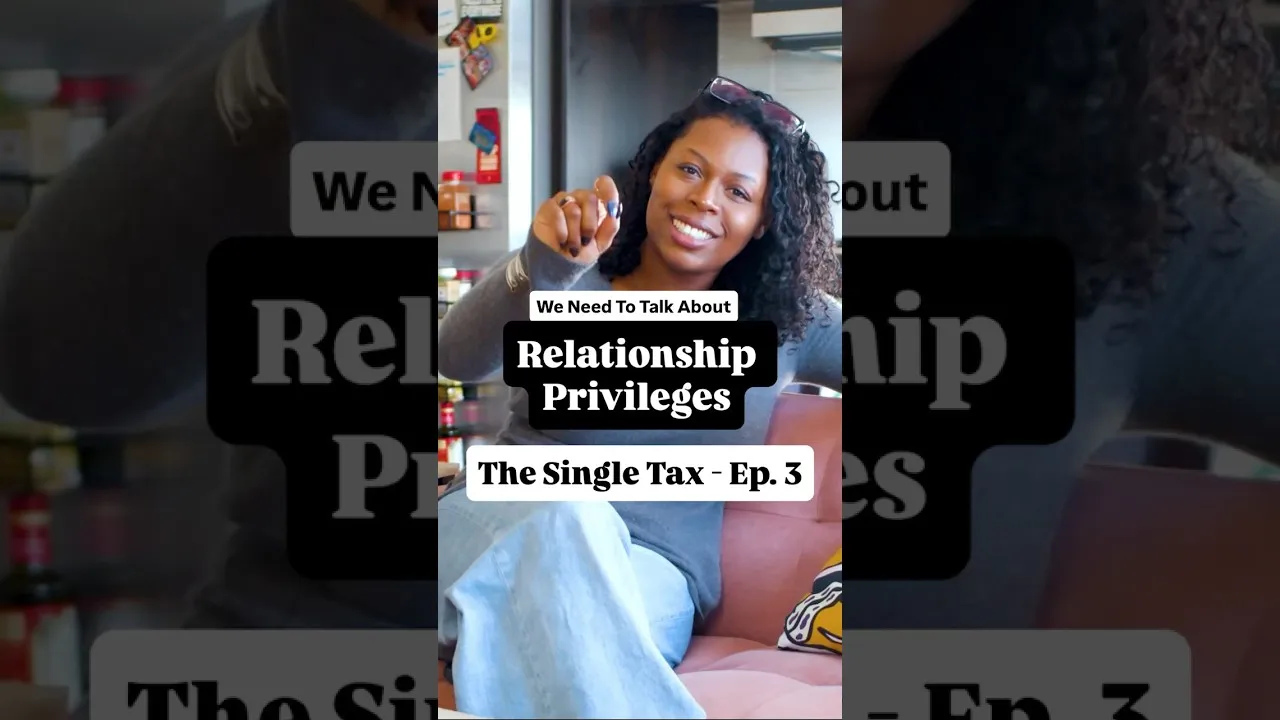
The Unspoken Advantage: How Relationship Status Shapes Our World
In today’s society, the world often treats individuals differently based on whether or not they have a romantic partner. This isn’t just about social perceptions; it can significantly influence financial well-being and daily experiences. This phenomenon, often called “relationship privilege,” affects how people are spoken to, viewed at work, and even how their time is allocated.
More Than Just Social Standing
Relationship privilege isn’t about favoring married couples over single individuals. It’s about recognizing that having a partner can sometimes open doors or create advantages that single people may not experience. This difference is far from neutral. It can show up in subtle ways, like how colleagues interact with you at the office or how readily your time might be offered up for group activities without your explicit agreement.
For instance, a married colleague might find their schedule more easily accommodated for family events. Their personal life is often seen as a shared responsibility, whereas a single person’s time might be more readily available for last-minute work demands or social obligations. This can create an uneven playing field, especially when it comes to career advancement or simply managing one’s own priorities.
The Financial Connection
At its core, relationship privilege is also a financial issue. Many aspects of life have an eventual financial impact, and relationship status is no exception. Consider how shared living expenses are often lower per person for couples than for individuals living alone. Rent, utilities, and even groceries can be more cost-effective when split between two people.
Beyond shared costs, there are also societal expectations and benefits that can favor partnered individuals. Some employee benefits, like health insurance or certain retirement plans, might be more easily extended to a spouse or partner. While many companies now offer benefits to domestic partners, the traditional structure has often centered around married couples. This can translate into tangible financial savings for those in relationships that might not be as readily available to single individuals.
Workplace Dynamics and Time Allocation
The workplace is a common arena where relationship privilege can manifest. A person in a committed relationship might be perceived as more stable or settled. This perception, whether fair or not, can influence hiring decisions, promotion opportunities, or the types of projects assigned. Managers might be more hesitant to assign demanding travel schedules to someone they know has significant family obligations, inadvertently creating more flexibility for those without such commitments.
Furthermore, the way time is valued can differ. Single individuals may find their personal time is more easily encroached upon. There can be an unspoken assumption that a single person has more free time to dedicate to extra projects, social events, or helping others. This can lead to burnout and a feeling that one’s own priorities are constantly being sidelined.
What Investors Should Know
While this discussion focuses on social and personal dynamics, understanding these underlying currents can offer insights for investors. Companies that acknowledge and cater to diverse relationship statuses, such as offering flexible work arrangements or inclusive benefits, may foster greater employee loyalty and productivity. This could translate into a more stable and motivated workforce, positively impacting a company’s long-term performance.
From a consumer perspective, businesses that recognize the financial realities of different household structures might find a competitive edge. For example, marketing strategies that appeal to single-person households with different budget constraints or living situations could be more effective. Understanding the varying financial pressures and opportunities associated with relationship status can help companies better serve their customer base.
Ultimately, relationship privilege highlights the complex ways our social structures influence economic outcomes. Being aware of these dynamics can lead to more equitable environments and a better understanding of the diverse challenges and advantages people face in their daily lives and financial journeys.
Source: Coupledom Privileges… Yes, It’s A Thing (YouTube)