The MP3 Player Race: Before the iPod Dominated
We all remember the iPod. It was a huge part of our lives. But long before Apple’s iconic music player hit the scene, many other companies were trying to get their MP3 players into our pockets. In a recent video, our tech buddies teamed up with DankPods, a popular YouTuber from Australia, to explore some of the weirdest and rarest MP3 players ever made by computer companies. These aren’t iPods; they’re relics from a time when brands like Intel, Creative, Lexar, Dell, and Iomega tried their hand at portable music.
Lexar 128MB MP3 Player: A Ghost in the Machine
One of the first devices they pulled out was a Lexar MP3 player with a tiny 128 megabytes of storage. Back in the late 90s or early 2000s, 128MB was actually a lot! It was enough for about 2 hours of music, which the player’s packaging proudly stated was equal to 88 floppy disks. The presenter noted how little information there is online about this specific model, calling it a ghost. They even joked that the price must have been scratched off because the seller was embarrassed by the cost. Early MP3 compression wasn’t great, so those 2 hours of music likely sounded pretty rough.
Intel Pocket Concert: Aluminum and ‘High Audio Fluid’
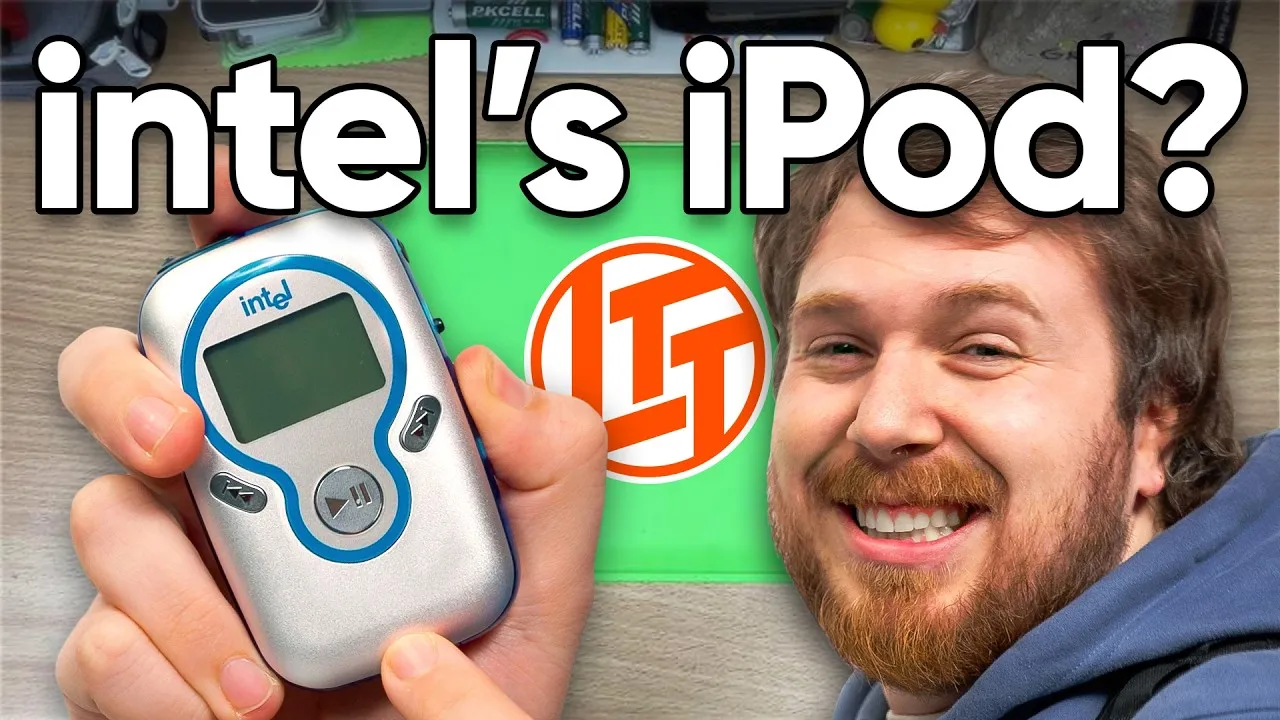
Next up was the Intel Pocket Concert from 1999. This device also boasted 128MB of storage, but claimed 4 hours of music and even included an FM radio. Intel hyped it with phrases like “aluminum” and “very low distortion,” though the presenter humorously questioned the spelling. It came with a lot of packaging, including a software CD for the “Intel Audio Manager.” The setup process involved installing software from a CD-ROM, a far cry from the plug-and-play devices we use today. The player itself felt solid, with a metal belt clip and included headphones that looked a bit strange. It even came with a pre-loaded “guided tour” audio file, which was a quirky addition.
Dell Pocket DJ: A Flashy Clone
Fast forward to around 2004, and we see the Dell Pocket DJ. This device looked a lot like an iPod Mini clone, featuring 5 gigabytes of storage—a massive leap from the megabytes of earlier players. It even had Microsoft PlaysForSure certification, which was a big deal for digital music back then. The packaging was elaborate, and it came with a mini-USB cable, an early standard that’s now obsolete. While it felt good in the hand and looked decent, getting it to boot up proved to be a challenge, highlighting the reliability issues some of these older devices faced.
Iomega Hip Zip: The Risky Click Drive
Perhaps the most unusual device was the Iomega Hip Zip. This player used “click drives,” which were essentially small, fragile magnetic disks. They offered 80 megabytes of storage, which was described as a tenth of a CD and infinitely more fragile. The presenter noted that these drives were notoriously unreliable, and many people just didn’t buy them. The Hip Zip came with two 40MB discs, not the advertised 80MB, and could also function as a pocket zip drive. It included a carrying case, a plug that didn’t work in many countries, and tiny, delicate cassette-like media. Despite its flaws, the Hip Zip had a certain charm, with its silver and blue design common in the era.
RCA LRA: A Childhood Gem
The video also touched upon personal memories, with one presenter recalling their first MP3 player being an RCA LRA. They opted for the 64MB model, as the 16MB version was comically small. Back then, 64MB held about 15 songs, which was considered a full album. These players were praised for not skipping, unlike early CD players. While expensive at the time, they offered a glimpse into the future of portable music, even if storage was incredibly limited by today’s standards.
The Takeaway: Competition Before the iPod
What’s clear from this deep dive into retro MP3 players is that the market was bustling with innovation before the iPod became the undisputed king. Companies poured resources into creating portable music devices, but none could capture the public’s imagination quite like Apple. The iPod’s success wasn’t just about technology; it was about design, user experience, and marketing. These older devices, while fascinating from a historical perspective, often suffered from limited storage, questionable audio quality, and unreliable hardware. They serve as a reminder that even great ideas need the right execution and timing to become a global phenomenon.
Source: Roasting Failed iPod Attempts – feat. DankPods (YouTube)