Salesforce CEO Details AI’s Next Leap Forward
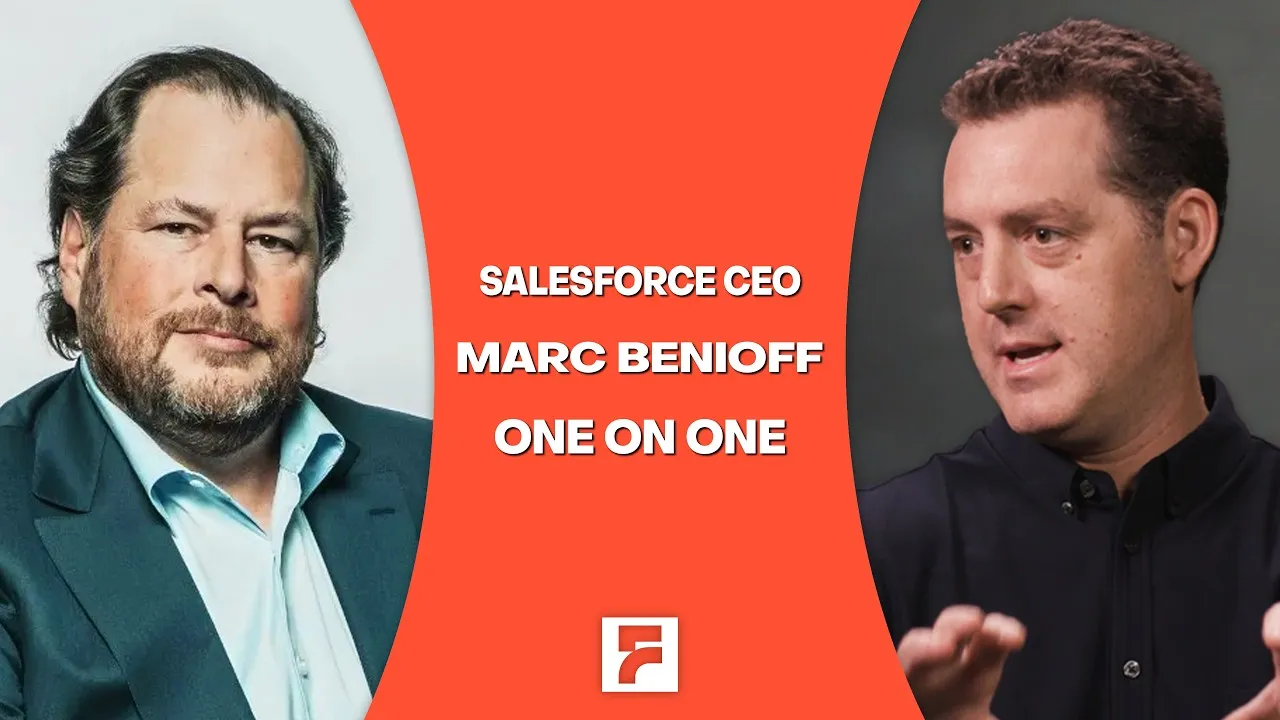
Salesforce CEO Marc Benioff recently shared his vision for how artificial intelligence is set to transform business. He spoke about the rapid advancements in AI, particularly large language models (LLMs), and how they will become deeply integrated into everyday work tools. Benioff emphasized that AI is not just a passing trend but a fundamental shift in how companies operate and serve their customers.
AI Becomes a Core Business Partner
Benioff explained that AI is moving beyond simple chatbots. The new generation of AI tools can understand complex requests and generate detailed responses. This means AI will act more like a helpful assistant or even a partner for employees across various departments. Think of it like having a super-smart colleague who can instantly recall information and draft reports.
He highlighted Salesforce’s commitment to embedding AI directly into its Customer Relationship Management (CRM) software. This integration aims to make AI accessible and useful for sales, service, and marketing teams. The goal is to help these teams work faster and smarter by automating tasks and providing instant insights.
Understanding the Power of AI Models
When discussing AI, Benioff touched upon the underlying technology, like large language models. These models are computer programs trained on vast amounts of text and data. They learn patterns and relationships within this data, allowing them to understand and generate human-like text. The more data they are trained on, the more capable they become.
For example, a large language model can be asked to summarize a long document or write an email. It does this by predicting the most likely sequence of words to form a coherent and relevant response, based on everything it has learned. This is similar to how a person might recall information and construct a sentence, but on a much larger scale and at incredible speed.
Salesforce’s AI Strategy: Einstein GPT
Salesforce has been developing its own AI capabilities, most notably through its Einstein platform. The company is integrating generative AI, like that found in models such as OpenAI’s GPT series, into its offerings. This fusion has led to tools like Einstein GPT. It’s designed to bring the power of generative AI directly to Salesforce users.
Einstein GPT can help sales representatives by drafting personalized emails to clients or suggesting next steps in a deal. For customer service agents, it can generate responses to customer inquiries or summarize previous interactions. This capability aims to boost productivity and improve customer satisfaction.
The Importance of Trust and Data Privacy
A significant part of Benioff’s discussion focused on the critical need for trust in AI. As AI systems handle more sensitive business information, ensuring data privacy and security is paramount. Salesforce is working to build AI tools that are not only powerful but also secure and reliable.
This involves carefully managing how data is used to train AI models and how AI outputs are generated. Benioff stressed that companies must be transparent about their AI usage. Customers need to feel confident that their data is protected and that the AI is acting in their best interest.
Why This Matters: AI for Everyone
The advancements discussed by Benioff mean that powerful AI tools will become more accessible to businesses of all sizes. Instead of needing specialized AI experts, companies can use AI integrated into their existing software. This democratization of AI can help smaller businesses compete more effectively.
For employees, this means less time spent on repetitive tasks and more time focusing on strategic work and creativity. AI can handle the data crunching and initial drafting, freeing up human workers for more complex problem-solving and relationship building. This shift could lead to more engaging and productive work environments.
Looking Ahead
Benioff painted a picture of a future where AI is seamlessly woven into the fabric of business operations. The focus is on making AI practical and beneficial for everyday users. As these technologies continue to evolve, their impact on how we work and interact is expected to grow significantly.
Source: One on One with Marc Benioff (YouTube)