Samsung Unveils Built-In Privacy Screen Tech
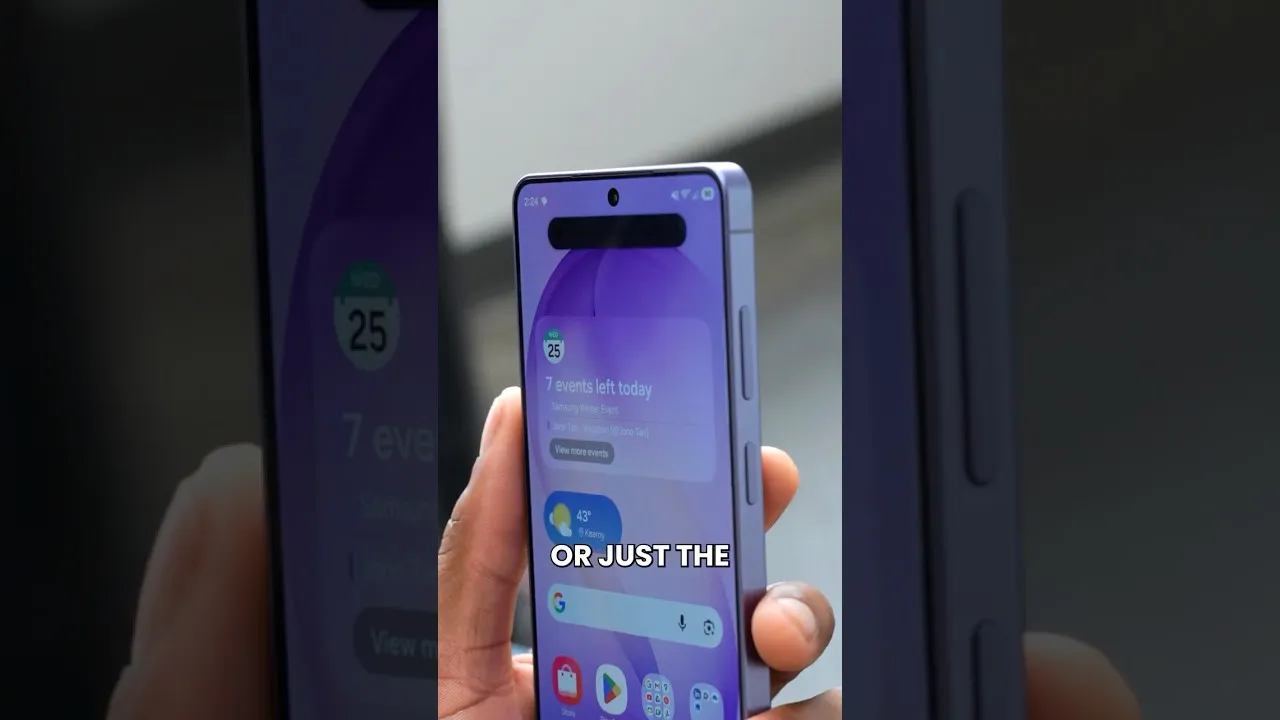
Samsung is reportedly developing a groundbreaking display technology that could render traditional privacy screen protectors obsolete. The new feature, observed on a device identified as the S26 Ultra, utilizes the phone’s display itself to create a privacy shield, offering dynamic and app-specific privacy controls without the need for external accessories.
How It Works: Pixels as Privacy Guards
Privacy screen protectors have long been a popular accessory for smartphone users concerned about visual eavesdropping. These films typically employ a micro-louver technology that restricts the viewing angle of the screen. From the sides, the display appears black or significantly dimmed, making it difficult for onlookers to see sensitive information. Samsung’s innovation takes this concept a step further by integrating the functionality directly into the OLED display hardware.
Instead of a physical film, the new system appears to work by selectively disabling individual pixels. When activated, the display intelligently turns off specific pixels to create a ‘blackout’ effect from side angles, mimicking the outcome of a privacy screen protector. This approach offers a seamless integration, as it doesn’t add thickness or alter the feel of the device.
Dynamic and Contextual Privacy Controls
Perhaps the most revolutionary aspect of this technology is its potential for dynamic and contextual activation. Unlike static privacy screen protectors, Samsung’s built-in solution can be programmed to activate only when needed and for specific applications or scenarios. This means users could configure the privacy screen to automatically engage when opening sensitive apps, such as banking applications, messaging services, or photo galleries.
The transcript suggests even more granular control, including the ability to selectively obscure notifications as they appear on the screen. Furthermore, the system could potentially mask sensitive input fields, such as password entry fields, ensuring that even if someone is looking over your shoulder, they cannot discern the characters you are typing. This level of tailored privacy management represents a significant leap forward from current privacy solutions.
Why This Matters
The implications of this integrated privacy display technology are substantial for consumers and the broader mobile industry. Firstly, it eliminates the need to purchase and apply separate privacy screen protectors, which can be costly and sometimes interfere with touch sensitivity or display clarity. The integrated solution promises a more streamlined user experience and potentially better display performance.
Secondly, the contextual activation offers a user-friendly approach to privacy. Users can enjoy the full visual experience of their phone’s display in most situations, with privacy features kicking in only when necessary. This avoids the common trade-off between privacy and screen visibility that users often face with traditional protectors.
For businesses and individuals handling sensitive data, this technology could significantly enhance security and compliance. Imagine a scenario where a financial advisor reviewing client information on their phone can automatically activate a privacy shield, or a journalist protecting sources while working in a public space. The ability to dynamically control the viewing angle of the screen adds a powerful layer of personal security in an increasingly connected world.
Availability and Future Prospects
The technology was showcased on a device identified as the S26 Ultra, suggesting it could be featured in upcoming Samsung flagship smartphones. While specific release dates and pricing details are not yet available, the demonstration indicates that Samsung is actively investing in advanced display innovations. This development could set a new industry standard for smartphone privacy and display technology, potentially pushing competitors to adopt similar integrated solutions.
Samsung has a history of pushing the boundaries of display technology, from curved screens to foldable displays. This new privacy feature, if brought to market, would further solidify its position as an innovator in the mobile hardware space. The seamless integration and intelligent control offered by this technology highlight a future where privacy is not an afterthought but an inherent feature of our devices.
Source: Samsung's Secret Screen Feature (YouTube)