Samsung’s Trifold Phone Redefines Foldable Utility
For years, the allure of foldable phones has been undeniable: a display that bends without shattering. Yet, the practical utility of these devices has often fallen short of the futuristic promise. That is, until now. The Samsung Galaxy Z Trifold has arrived, and it’s a game-changer, offering an expansive tablet-like experience that seamlessly folds into a pocketable form factor.
A Triptych of Displays for Unprecedented Viewing
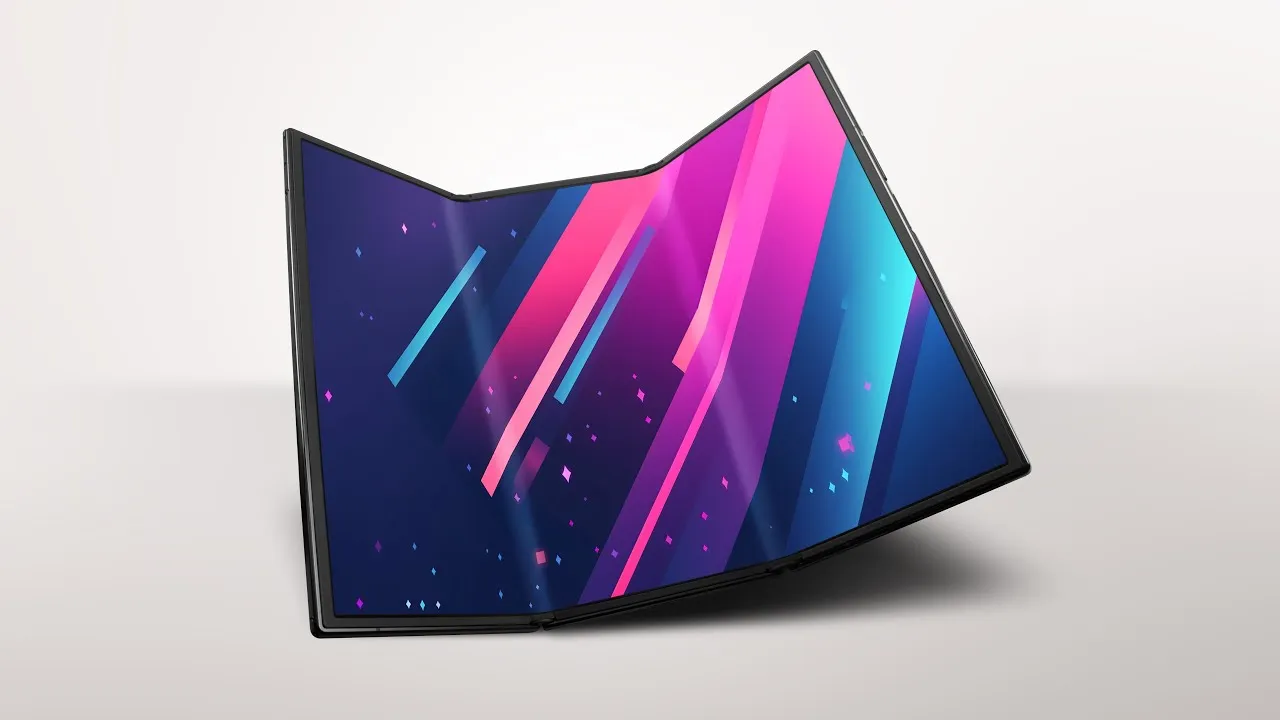
At first glance, the Trifold shares aesthetic similarities with Samsung’s Fold series. However, its true innovation lies in its three-panel design. Unfolding like a brochure, it reveals a massive 10-inch display, transforming the device into a true tablet. This expansive screen finally makes good on the potential of foldable technology, moving beyond the cramped inner displays of conventional foldables.
While the Trifold is remarkably compact for a device boasting a 10-inch screen, it’s important to note its dimensions. Compared to the ultra-slim Fold 7, the Trifold is noticeably thicker and heavier. However, when stacked against its predecessor, the Fold 6 (a year and a half old), the Trifold offers a significantly larger screen real estate with its third panel, often in a comparable physical footprint. The reviewer found the device manageable in hand and pocket, though future iterations targeting a weight reduction to around 250-260 grams would be a welcome enhancement, bringing it closer to the ideal threshold for user acceptance.
Design Choices: Balancing Form and Function
The exterior of the Trifold features a ceramic glass-reinforced polymer, a departure from the typical glass back found on devices like the Fold 7. This material choice likely contributes to weight reduction, but it comes at the cost of some premium feel. The hinges, however, are a testament to Samsung’s engineering prowess. They feel robust, durable, and exhibit no play when the device is open, instilling confidence in their longevity.
The slight difference in thickness between the panels is a direct consequence of engineering constraints. The inclusion of a USB-C port necessitates a certain thickness in one panel, limiting how thin the entire stack can become. While future models might shave off some millimeters, radical thinning is unlikely without compromising essential connectivity.
An Uncompromised Media Experience
The primary draw of the Trifold is its ability to deliver a truly immersive media experience. Unlike traditional foldables where the unfolded screen often results in excessive black bars during video playback, the Trifold’s expansive display utilizes its real estate effectively. Watching movies and shows on this device is a revelation, finally realizing the potential of a large foldable screen.
The display itself is excellent, supporting up to 120Hz for smooth gaming. While the outer display boasts a peak brightness of 2600 nits, matching the Fold 7, the main internal display’s peak outdoor brightness is capped at 1600 nits. This is still ample for most viewing conditions, though it falls short of the absolute peak brightness of some competitors.
Performance and Internals
Under the hood, the Trifold is powered by the Snapdragon 8 Elite for Galaxy chipset, the same capable processor found in the Fold 7. Coupled with 16GB of RAM, it delivers smooth performance for demanding applications and multitasking. The camera system and speaker setup are also identical to the Fold 7, offering great audio quality from the dual stereo speakers strategically placed for an immersive sound experience.
The Folding Mechanism: A Unique Sequence
The Trifold’s folding mechanism is specific: the left panel must be folded first, followed by the right. Attempting to fold in the reverse order triggers a warning and vibration, a safeguard to protect the hinge mechanism. The left hinge is designed for a clean, tight fold, while the right hinge is slightly wider to accommodate the second fold without pinching. While this sequence adds an extra step, the reviewer found it surprisingly unobtrusive.
However, this design does present limitations. The Trifold cannot be used in a ‘mid-folded’ orientation, meaning it’s either fully open or fully closed. Furthermore, with all soft panels folding inward, the rear screen becomes superfluous when the device is unfolded, consuming resources and adding to production costs. This differs from designs like Huawei’s Mate XT, which folds in a Z-like fashion, allowing one panel to remain on the outside when folded, eliminating the need for a fourth screen. The trade-off for Huawei’s design is a potentially exposed, soft outer display prone to scratches.
Versatility Beyond Entertainment: DeX and Productivity
The Trifold’s large screen unlocks impressive multitasking capabilities. It also features a custom version of Samsung DeX, uniquely capable of running as a standalone desktop experience without an external monitor. When paired with a wireless mouse and keyboard, the Trifold transforms into a capable computer, merging the functionalities of a phone, tablet, and desktop into a single, pocketable device.
Battery and Charging
The Trifold houses Samsung’s largest battery to date in a phone, though it doesn’t utilize silicon-carbon technology. It supports 45W wired charging and 15W wireless charging. Notably, the retail package includes both a charger and a snap-on case designed to protect the hinge mechanism.
The Future of Foldables is Here
As of late 2025, Samsung is entering its eighth generation of foldable phone development. The Trifold represents a significant leap forward, particularly when considering the rumored plans for Apple’s first foldable, which is expected to be a more conventional bi-fold design. The Trifold’s superior utility for media consumption and its overall versatility present a compelling argument that could make competing bi-fold devices seem less appealing.
While the Samsung Galaxy Z Trifold is undeniably an amazing piece of technology and a glimpse into the future of mobile devices, its current high price point is a significant barrier. However, with anticipated price reductions and further refinements in weight and thickness, the Trifold is poised to become the benchmark for foldable innovation.
Specs & Key Features
- Display: 10-inch main foldable display, Outer display
- Processor: Snapdragon 8 Elite for Galaxy
- RAM: 16GB
- Storage: (Not specified in transcript)
- Cameras: Same system as Fold 7
- Battery: Largest Samsung phone battery to date
- Charging: 45W wired, 15W wireless
- Features: Standalone DeX support, Dual stereo speakers
- Materials: Ceramic glass-reinforced polymer back
- In the Box: Charger, Snap-on hinge-protecting case
Source: The Samsung TriFold is AWESOME! (YouTube)