Sculpt a Defined Chest: Your Step-by-Step Guide
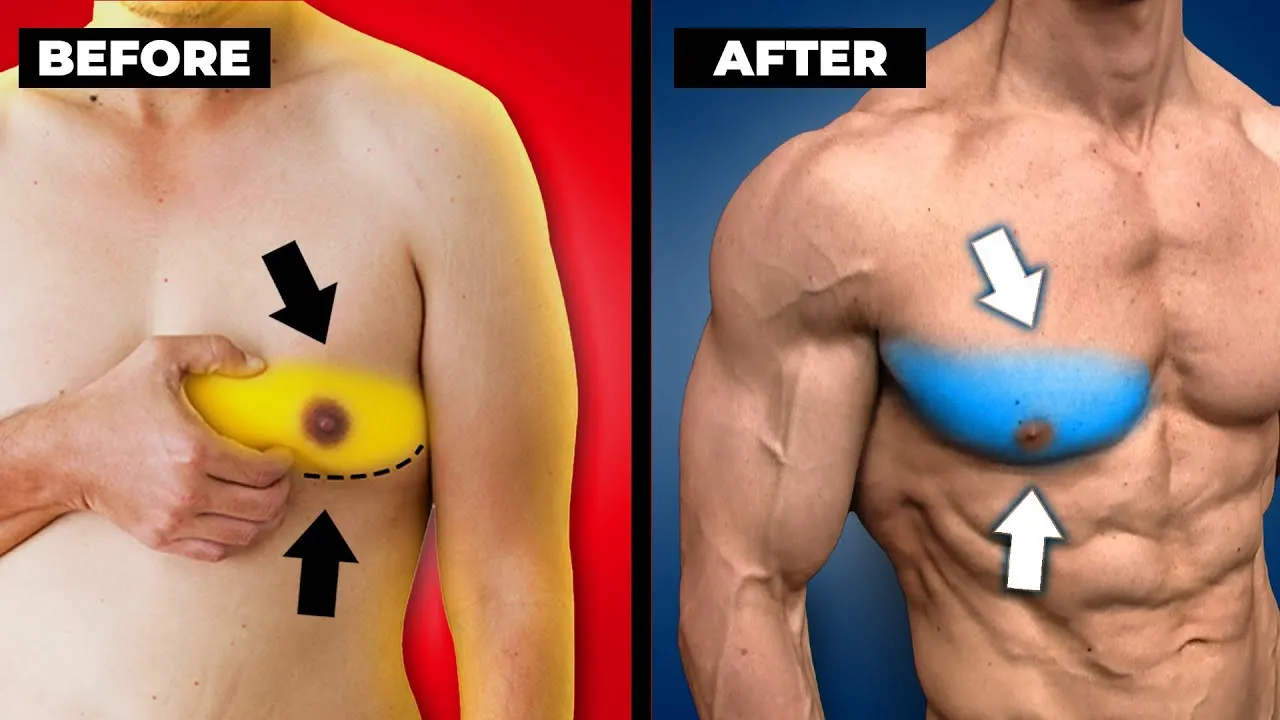
Developing a well-defined lower chest can be a common aesthetic goal for many individuals. Often, concerns about a less-than-ideal chest appearance can impact confidence. Fortunately, achieving a more muscular and chiseled chest line is attainable with a strategic approach that combines proper nutrition and targeted training. This guide outlines a progressive plan, adaptable to various starting body fat levels, to help you reach your aesthetic goals.
Understanding the Foundation: Nutrition and Training
The journey to a defined chest hinges on two critical components: nutrition and training. Neglecting either can hinder progress. Without proper training, even a strict diet might result in a flat, underdeveloped chest. Conversely, extensive training without attention to diet can lead to a larger chest, but without the desired definition due to higher body fat levels. It’s crucial to address both elements for optimal results.
Navigating Body Fat Levels: A Phased Approach
The strategy for improving chest definition is tailored to your current body fat percentage. Instead of aiming for an extreme goal immediately, it’s more effective to focus on the next attainable level. This phased approach helps maintain motivation and prevents discouragement. For instance, if you are at 30% body fat, the immediate goal might be to reach 20%, rather than aiming directly for sub-10%.
Phase 1: For Those Above 20% Body Fat
If your body fat is in the 40%, 30%, or 20% range, the initial focus is on establishing a sustainable nutritional baseline and introducing movement. The primary recommendation is to calculate your maintenance calories using the formula: body weight (in pounds) x 12. Consume this number of calories for two weeks. If your weight remains stable, reduce your intake by 10% to create a calorie deficit. During this phase, prioritize protein intake at 1 gram per pound of body weight to support muscle maintenance and satiety. Eliminate obvious sources of empty calories such as sweets, excessive alcohol, and processed snacks. Reading food labels becomes essential to understand macronutrient profiles and caloric content.
From a training perspective, adopt a mindset of ‘training’ rather than ‘exercise.’ This means your activities are planned, progressive, and purposeful. Incorporate 30-45 minutes of walking, 3-5 times a week, to increase caloric expenditure. Begin with low-impact training options like resistance bands or bodyweight exercises. Incline push-ups are particularly beneficial for targeting the lower chest due to the high-to-low arm angle. Adjust the difficulty by changing your foot position relative to your hands.
Phase 2: Reaching the High Teens (15-20% Body Fat)
As you approach the high teens in body fat percentage, refine your nutritional strategy. Introduce ‘timed eating,’ which involves consuming meals at specific intervals throughout the day (e.g., 8 AM, 10:30 AM, 1 PM, 3:30 PM, 6 PM). This structured eating pattern helps control grazing and manage hunger. Focus on making ‘smart swaps’ in your diet – for example, opting for grilled fish over a fried counterpart, or lean chicken breast instead of breaded options.
Incorporate weight training machines into your routine to allow for progressive overload, which is crucial for muscle building. Exercises like high-to-low cable crossovers are excellent for targeting the lower pectoral fibers. Assisted dips can also be beneficial, reducing the stress on joints while still engaging the lower chest. It’s also important to balance lower chest focus with upper chest development through incline pressing (using machines or dumbbells) to create a more aesthetically pleasing and balanced physique. Building the upper chest can help reduce the appearance of sagging or droopiness in the lower chest.
Phase 3: Approaching the Low Teens (10-15% Body Fat)
For those in the 10-15% body fat range, continue with timed eating and implement ‘plate division.’ Divide your plate visually: 40% protein, 40% fibrous carbohydrates, and 20% starchy carbohydrates. This ensures adequate nutrient intake while maintaining a caloric deficit. Further refine your diet by minimizing processed foods, focusing on single-ingredient items. This might require more meal preparation but offers better nutritional control and can be more cost-effective.
Training intensity can increase. Decline bench presses become a viable option for those who tolerate them well. Assisted dips can progress to bodyweight dips if strength allows. This phase is about fine-tuning your diet and training for continued fat loss and muscle definition.
Phase 4: The Sub-10% Goal (Below 10% Body Fat)
Achieving and maintaining sub-10% body fat requires a high level of dedication. Nutritional accuracy should increase to approximately 90%, meaning only about one meal per day can be less strict. This often involves significant social sacrifices, such as limiting alcohol consumption. Consistent meal prepping becomes essential for maintaining control over your intake.
Training should be high-intensity and potentially shorter in duration. Employ advanced techniques like drop sets, pause reps, and partial repetitions to maximize muscle stimulus and drive further definition. The focus is on intense effort, muscle tension, and progressive overload, including weighted dips when possible. This rigorous approach, when combined with meticulous nutrition, can lead to the highly defined, chiseled chest and overall lean physique that is the goal.
Key Health Takeaways
- Progressive Goals: Focus on achieving the next attainable body fat level rather than an extreme goal, which aids in sustained motivation.
- Nutrition is Key: Prioritize protein intake (1g per pound of body weight, potentially increasing to 1.2g at lower body fat percentages) and manage calorie intake through a calculated deficit.
- Timed Eating & Plate Division: Structure your meals and balance macronutrients on your plate to manage hunger and optimize nutrient absorption.
- Strategic Training: Incorporate a mix of cardiovascular activity, resistance bands, bodyweight exercises, machine work, and free weights, focusing on progressive overload and targeted muscle engagement.
- Consistency Matters: Adherence to your nutrition and training plan is crucial, especially as you aim for lower body fat percentages.
Important Considerations
This guide is intended for individuals seeking to improve chest definition through diet and exercise. It is not suitable for individuals experiencing symptoms of gynecomastia, which is a hormone-related condition requiring medical evaluation and treatment.
Disclaimer: This information is for educational purposes only and does not constitute medical advice. Always consult with a qualified healthcare provider or a certified personal trainer before beginning any new diet or exercise program, especially if you have pre-existing health conditions.
Source: How to Get a Chiseled Lower Chest (No Bullsh*t Guide!) (YouTube)