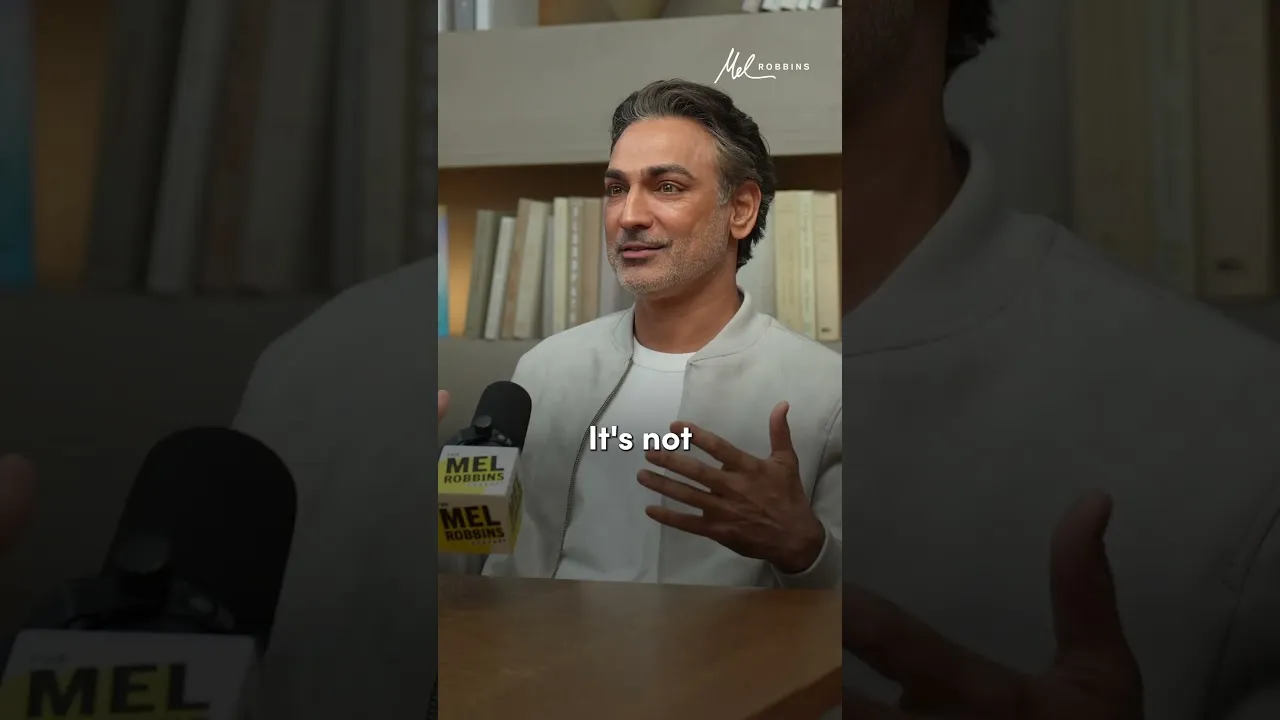
Sharpen Your Focus: Breathe Your Way to Calm
Feeling overwhelmed by stress or pressure? There’s a simple, daily practice that can train your mind to stay calm and focused, even when life gets chaotic. This technique, championed by motivational speaker and author Mel Robbins, involves intentionally pacing your breathing. It’s not about finding a quiet retreat; it’s about building a mental muscle you can use anytime, anywhere.
The Power of Paced Breathing
Robbins describes her most important daily ritual as rehearsing her attentional focus by pacing her breathing multiple times a day. This practice trains her mind to concentrate and prepares her for unexpected challenges. She likens it to maintaining a sharp tool. You wouldn’t want to reach for a rusty tool in a crisis; you want it honed and ready. By cultivating your attentional power, you gain the ability to direct your focus strategically throughout your day.
This skill allows you to seamlessly shift your attention between different tasks and situations. For instance, you might be listening to music while driving, then fully engage with a creative project upon arriving at your office. This isn’t about strict separation of activities, but rather about fluidly flowing through your day, using your focused attention to tackle various demands. Whether you’re thinking creatively, reflecting on a difficult conversation, or engaging in complex problem-solving, this five-minute habit can make a significant difference.
Like Push-Ups for Your Brain
Robbins compares this practice to doing push-ups for your mind. Just as push-ups strengthen your body, paced breathing strengthens your ability to focus. It makes navigating life’s challenges feel easier, translating into tangible benefits. By directing your attention through controlled breathing, you keep your mind on track and can deploy your focus strategically.
How to Start Today
Implementing this practice is straightforward. You don’t need a special environment like a yoga studio; crises and stress often strike when things are anything but quiet. The key is to practice randomly throughout the day, especially when you feel stress building or are about to enter a demanding situation. You can start with moments that are mildly stressful or even completely non-stressful.
Here’s how to do it:
- Set a mental timer or use your phone’s timer. You could even pick a specific song that lasts a few minutes.
- Begin by inhaling slowly through your nose, aiming for a count of 3 to 4 seconds.
- Hold your breath gently for a few seconds.
- Slowly exhale through your nose, again for a few seconds.
- Pause briefly before starting the next cycle.
Aim for 10 to 20 repetitions. This method is similar to breathing techniques used in Buddhist meditation, where directing your attention is crucial. By focusing on your breath, you pull your mind away from spiraling thoughts or anxieties. You are actively redirecting your psychological energy toward something positive and controlled.
Attention is a Skill
The core principle is that your attentional power is a skill that can be learned and improved, much like learning to hold your breath. When you practice directing your attention to your breathing, you are strengthening your ability to hold your focus, even when distractions or stressors arise. This ability to control and redirect your attention is invaluable for managing stress and enhancing overall mental well-being.
Who Can Benefit?
This technique is beneficial for anyone looking to improve their stress management and focus. It’s particularly helpful for individuals who experience high-pressure situations in their personal or professional lives, students facing exams, parents managing daily demands, or anyone seeking greater mental clarity and calm.
Key Health Takeaways
- Regularly practice paced breathing to train your mind to stay calm under pressure.
- You can do this exercise anytime, anywhere, even in stressful environments.
- Focus on slow, controlled inhales through the nose, a brief hold, and a slow exhale.
- Aim for 10-20 repetitions as a daily or multiple-times-daily practice.
- Paced breathing helps redirect your attention away from stress and toward a calm state.
Disclaimer: This article is for informational purposes only and does not constitute medical advice. Always consult with a qualified healthcare professional for any health concerns or before making any decisions related to your health or treatment.
Source: How to Train Your Mind to Stay Calm Under Pressure | Mel Robbins #Shorts (YouTube)