Visceral Fat’s Hidden Danger: Shrinking Your Brain
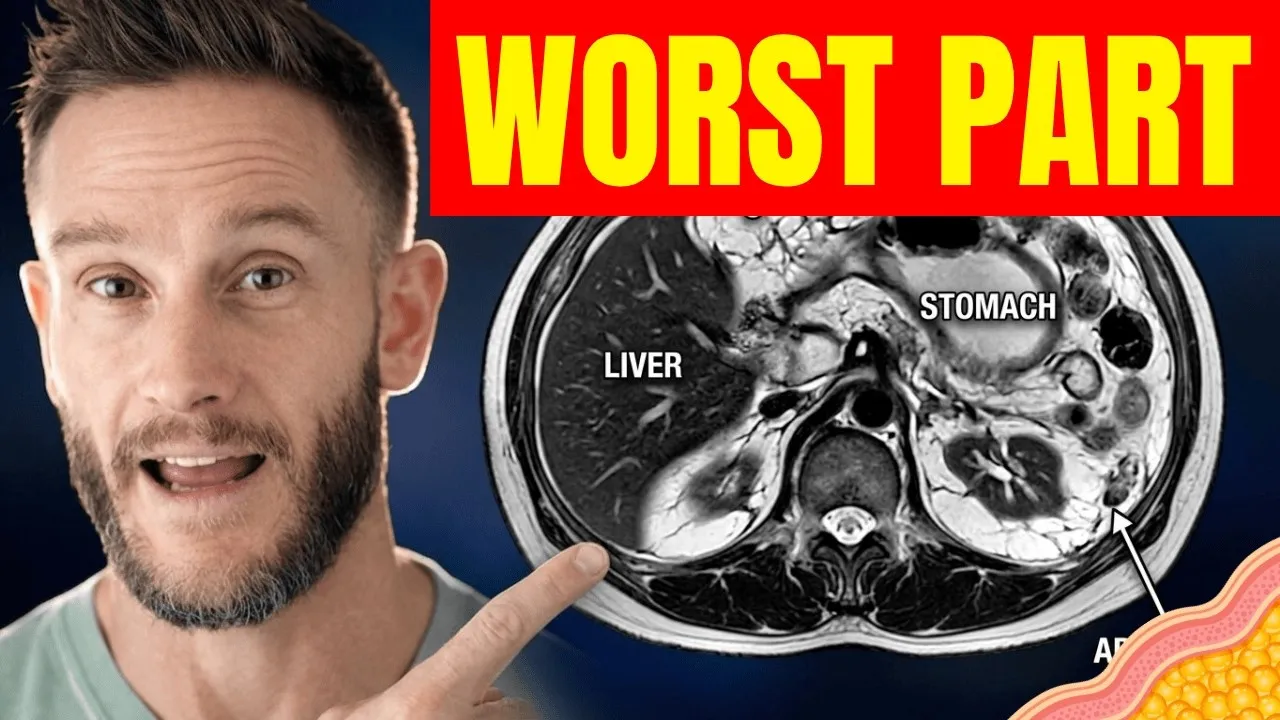
While many see belly fat as a cosmetic concern, new science reveals a far more serious link. Visceral fat, the deep fat surrounding your organs, is directly connected to measurable shrinkage in brain volume and thickness. This isn’t a future problem; it’s happening now, affecting how your neurons communicate.
The more visceral fat you carry, the more pronounced these brain changes become. This type of fat can be sneaky, sometimes hidden without obvious outward signs of being overweight. It’s not just about overall weight, but precisely where the fat is stored.
Inflammation: The Fat That Talks to Your Brain
Visceral fat acts less like stored energy and more like an inflammatory organ. It releases signaling molecules called adipokines into your bloodstream. These signals can cross or influence the blood-brain barrier, triggering a chain reaction.
A large study published in Circulation involving over 1,200 people found that visceral fat, not subcutaneous fat (the fat under the skin), was strongly linked to higher levels of inflammation and oxidative stress markers. This means even two people with the same weight and waist size can experience different levels of internal inflammation based on their visceral fat.
This chronic inflammation doesn’t stay put. It communicates with the brain’s immune system, particularly the microglia, often called the brain’s maintenance crew. When constantly exposed to inflammatory signals, these microglia can overreact, disrupting normal brain function.
The Fat-Brain Chemical Signal
Research published in Clinical Investigation highlights a protein complex called the NLRP3 inflammosome. Visceral fat activates this complex, boosting the production of a potent inflammatory substance called interleukin-1 beta (IL-1 beta).
In animal studies, transplanting visceral fat from obese mice into lean mice led to increased inflammation in the hippocampus (a key area for memory) and worsened cognitive function. This effect was prevented when visceral fat from mice lacking NLRP3 was used, showing the fat itself carries inflammatory signals that directly impact the brain.
IL-1 beta causes microglia to wrap more tightly around synapses, the connections between neurons. This compression interferes with how brain cells communicate, potentially slowing down thinking, memory, focus, and processing speed.
Visible Brain Changes: What Scans Are Showing
Beyond inflammation, visceral fat is linked to physical changes in the brain. A major analysis using MRI scans from thousands of adults, published in Neurology, examined body fat and brain structure.
After accounting for factors like age and lifestyle, the study found that higher levels of overall obesity, especially central obesity (belly fat), were associated with lower gray matter volume. Gray matter is where information processing, decision-making, and memory occur.
When people had both general obesity and visceral obesity, gray matter volume was at its lowest. This means areas involved in motivation, reward, and cognitive control could be affected, potentially impacting appetite and the drive to exercise.
Cortical Thickness and Dementia Risk
Another study in Frontiers in Aging Neuroscience focused on older adults developing dementia. Researchers found that those with the highest amounts of visceral fat had significantly thinner cortices in specific brain regions, including the temporal and insular areas.
These findings are not theoretical; they represent measurable physical changes seen on MRI scans. Higher visceral fat is linked to reductions in brain volume and thickness, suggesting it can accelerate brain aging by forcing the brain to prioritize defense over maintenance and optimization.
Brain Insulin Resistance: A Vicious Cycle
Most people associate insulin resistance with the liver or muscles, but it’s also critical for the brain. Insulin plays a key role in regulating appetite, mood, and motivation by supporting dopamine signaling.
When the brain becomes resistant to insulin, it struggles to perform these functions effectively. Research in the American Journal of Clinical Endocrinology Metabolism links brain insulin resistance to increased markers seen in Alzheimer’s disease, like tau phosphorylation and beta-amyloid accumulation.
The Loop: Visceral Fat, Inflammation, and Brain Signals
A study in Nature Communications revealed a cyclical relationship: people with better brain insulin sensitivity lost more visceral fat during lifestyle changes. Conversely, those whose brains responded better to insulin tended to have less visceral fat initially.
This creates a dangerous loop: visceral fat increases inflammation, which impairs brain insulin signaling. Poor brain insulin signaling then increases appetite and reduces feelings of fullness, leading to more visceral fat accumulation. This explains why losing belly fat can feel so challenging—it’s not just willpower, but a complex signaling issue starting in the brain.
The Gut Connection: Endotoxins and Inflammation
The gut microbiome also plays a role. Endotoxins, like lipopolysaccharides (LPS) from gut bacteria, are inflammatory molecules. Research published in Scientific Reports found LPS levels were independently associated with visceral fat mass.
Inflammation can make the gut more permeable, allowing these endotoxins to enter the bloodstream. Dietary fat can then transport them to various parts of the body, including the brain. Studies in mice show that a single LPS injection can lead to prolonged brain inflammation, potentially causing neuron loss over time.
Reversing the Effects: What You Can Do
The good news is that visceral fat is highly responsive, often being the first to go when you start losing weight. Improving your body’s signals is key.
Key Health Takeaways:
- Prioritize Sleep and Stable Blood Sugar: Aim for deep sleep and moderate carbohydrate intake to stabilize blood sugar. This helps reduce inflammation and improves fat loss.
- Incorporate Targeted Exercise: High-intensity interval training (HIIT), like the Norwegian 4×4 method, can be particularly effective for targeting visceral fat.
- Protect Brain Insulin Signaling: Occasional fasting (e.g., a 24-hour fast once a week) can help regulate glucose use and promote fatty acid utilization in the brain.
- Consider MCT Oil or Exogenous Ketones: These can help support brain energy metabolism and improve communication between brain regions. Start slowly with MCT oil to avoid digestive upset.
- Reduce Overall Inflammation: Manage stress, support gut health with foods like bone broth, collagen, or glutamine, and avoid processed foods that spike blood sugar.
- Focus on Gut Health: Support your gut lining with nutrients and consider probiotics or prebiotics, as a healthy gut is linked to better metabolic health and reduced inflammation.
Losing visceral fat isn’t just about appearance; it’s about restoring brain function, improving communication, and enhancing cognitive clarity. Your body is adaptable, and by addressing these key areas, you can support both your physical and mental well-being.
Disclaimer
This article is for informational purposes only and does not constitute medical advice. Always consult with a qualified healthcare professional before making any decisions about your health or treatment.
Source: This New Science on Visceral Fat Will Change Your Life (YouTube)