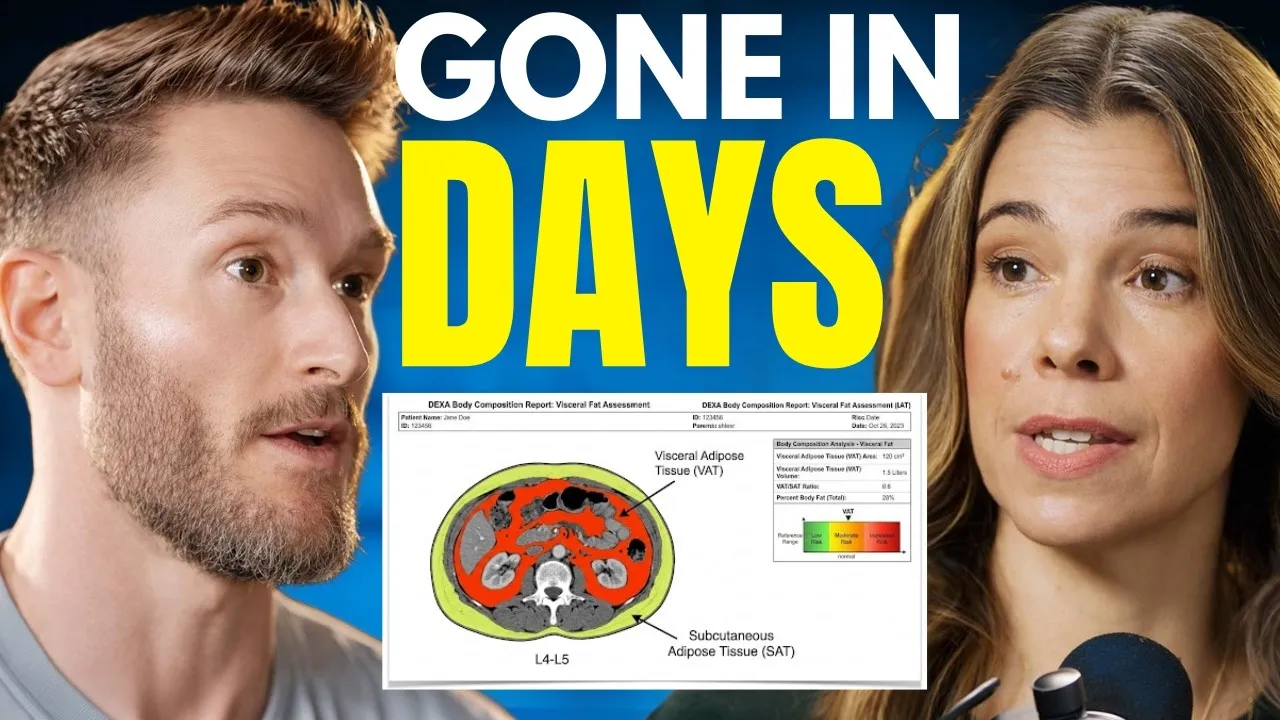
Targeting Visceral Fat for Rapid Health Gains
Visceral fat, the deep abdominal fat surrounding your organs, is a significant health concern. It’s not just about appearance; this metabolically active fat plays a crucial role in inflammation, insulin resistance, and can increase the risk of serious diseases. Fortunately, research suggests that visceral fat can be reduced relatively quickly with the right lifestyle changes.
What is Visceral Fat and How Do You Know You Have It?
Unlike subcutaneous fat, which you can pinch (like fat on your arms or thighs), visceral fat lies deep within the abdominal cavity, encasing organs like the liver, intestines, and pancreas. This fat is highly inflammatory and releases harmful substances into the bloodstream.
The easiest way to estimate if you have excess visceral fat is by measuring your waist circumference. According to guidelines, a waist circumference of 35 inches (88 cm) or more for women and 40 inches (102 cm) or more for men is an indicator of high levels of visceral fat. People who carry their weight primarily in their midsection, often described as having an “apple shape,” are more likely to have higher amounts of visceral fat.
It’s important to note that even individuals who appear lean can have concerning levels of visceral fat, a condition sometimes referred to as “lean but metabolically unhealthy.” This highlights that visible external fat isn’t the only indicator of internal health risks.
The Dangerous Impact of Visceral Fat
Visceral fat is more than just an aesthetic issue; it’s a major contributor to several health problems:
- Inflammation: Visceral fat continuously releases inflammatory molecules called cytokines. This low-level, chronic inflammation activates the immune system, which can lead to fatigue and a general feeling of unwellness, similar to when fighting off an infection.
- Insulin Resistance: This deep fat is particularly problematic because it doesn’t respond to insulin effectively. When you eat, visceral fat continues to release free fatty acids, which interfere with how your liver and muscles respond to insulin. This leads to higher blood sugar levels and prompts the pancreas to release more insulin. This cycle can result in energy crashes after meals and cravings for high-energy, processed foods, creating a vicious cycle of overeating and further fat accumulation.
- Type 2 Diabetes: Persistent insulin resistance can eventually overwhelm the pancreas, leading to the development of type 2 diabetes.
- Non-Alcoholic Fatty Liver Disease (NAFLD): The free fatty acids released by visceral fat travel directly to the liver via the portal vein. When the liver receives too many fatty acids, it begins to store them, leading to fat accumulation. Over time, this can cause inflammation and fibrosis, progressing to NAFLD, which further exacerbates insulin resistance.
- Cardiovascular Disease: Elevated blood sugar due to insulin resistance can damage blood vessels and heart tissue, increasing the risk of hypertension and heart disease.
- Cancer: Studies indicate a strong link between high visceral fat levels and an increased risk of various cancers, including colon, pancreatic, and liver cancer. The inflammatory molecules produced by visceral fat can damage cells and promote the development of cancerous mutations.
- All-Cause Mortality: Research consistently shows that individuals with higher levels of visceral fat (often indicated by waist circumference) have a significantly increased risk of early death from various causes.
Brain Insulin Resistance and Cravings
A fascinating aspect of visceral fat’s impact is its effect on the brain. Insulin plays a role in signaling satiety (fullness) and directing how the body stores energy. When the brain becomes insulin resistant, often due to diets high in processed foods, refined sugars, and excess calories, these signals are disrupted.
This can lead to a loss of satiety, causing individuals to overeat. Furthermore, when the brain is insulin resistant, it can contribute to increased visceral fat storage. This creates another loop: the brain’s impaired signaling leads to overeating, often of calorie-dense, processed foods, which in turn promotes more visceral fat and worsens brain insulin resistance.
The Role of Diet in Visceral Fat Accumulation
Research highlights how quickly visceral fat can accumulate. In one study, healthy young men consuming an extra 1,200-1,500 calories daily, primarily from processed foods (refined carbohydrates, high saturated fat, and sugar), rapidly gained visceral fat, particularly around the liver, within just five days. Notably, they gained minimal overall weight, demonstrating that visceral fat accumulation isn’t always evident on the scale.
This indicates that the *composition* of excess calories is critical. Diets high in refined sugars, sugar-sweetened beverages, and processed foods without fiber are particularly problematic. They cause rapid spikes in blood glucose and insulin, contributing significantly to visceral fat gain and brain insulin resistance.
Visceral Fat and Stress
Chronic stress, which elevates cortisol levels, can also promote the storage of visceral fat. While the exact evolutionary purpose is debated, one hypothesis is that visceral fat acts as a protective cushion for organs, a response that might be amplified during perceived threats or stress.
Reversing Visceral Fat
The good news is that visceral fat is often responsive to lifestyle changes. While it accumulates quickly under the influence of poor diet and stress, it can also be reduced effectively when healthier habits are adopted. Focusing on whole, unprocessed foods, managing stress, and engaging in regular physical activity are key strategies to combat visceral fat and improve overall metabolic health.
Key Health Takeaways
- Measure Your Waistline: A waist circumference over 35 inches for women or 40 inches for men is a key indicator of excess visceral fat.
- Understand Visceral Fat’s Danger: This deep belly fat drives inflammation, insulin resistance, fatty liver disease, and increases risks for heart disease and cancer.
- Diet is Crucial: Processed foods, refined sugars, and high-calorie diets rapidly contribute to visceral fat gain.
- Lean Individuals Can Be At Risk: Do not assume you are free of visceral fat based on your overall weight; even lean individuals can have concerning levels.
- Reversible Process: Visceral fat can be reduced effectively through improved diet, exercise, and stress management.
Disclaimer: This article is for informational purposes only and does not constitute medical advice. Always consult with a qualified healthcare professional before making any decisions about your health or treatment.
Source: This Drops Visceral Fat in the Shortest Amount of Time Possible – Dr. Rhonda Patrick (YouTube)