The Promise and Peril of Silicon Carbon Batteries in Smartphones
Smartphone manufacturers are constantly pushing the boundaries of what’s possible, from ever-sharper displays to more powerful processors. Yet, one critical component has seen incremental improvements rather than revolutionary leaps: the battery. For years, lithium-ion batteries have been the standard, offering a reliable, if sometimes uninspiring, power source. However, a new technology, Silicon Carbon, promises significantly higher energy density, allowing for larger batteries in the same footprint or thinner devices with standard capacities. Despite its clear advantages, major players like Apple, Samsung, and Google are conspicuously absent from adopting this cutting-edge battery tech, and the reasons behind their caution are starting to emerge.
What is Silicon Carbon and Why the Hype?
Silicon Carbon batteries get their name from their core innovation: replacing the traditional graphite anode found in lithium-ion batteries with silicon. Silicon has a theoretical capacity to hold significantly more lithium ions than graphite, meaning it can store considerably more energy within the same physical space. This translates directly to higher energy density.
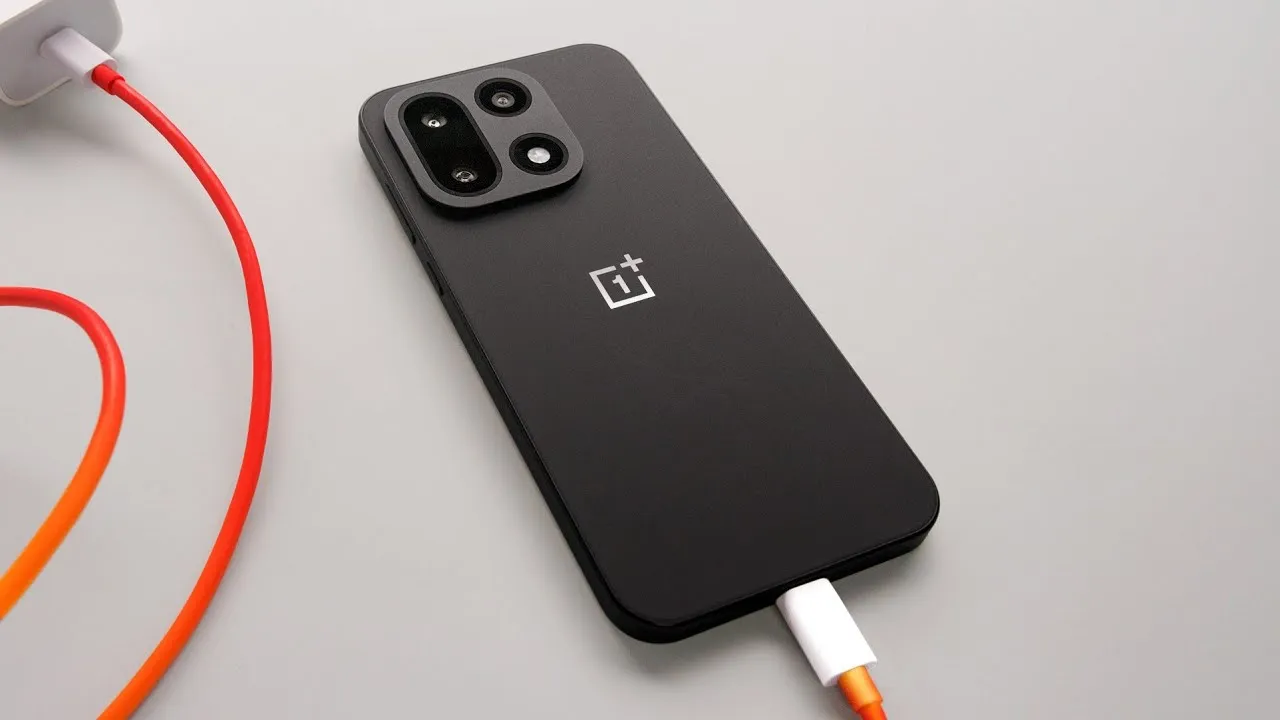
The practical implications are substantial. Manufacturers can equip phones with much larger milliamp-hour (mAh) capacities without increasing the device’s thickness or weight. We’ve seen glimpses of this potential, with some flagship phones, such as those from OnePlus, making notable jumps in battery capacity after adopting Silicon Carbon. For instance, one model reportedly moved from 5,400 mAh to 6,000 mAh, and later to 7,300 mAh in subsequent iterations, suggesting a paradigm shift in expected battery life.
Beyond raw capacity, Silicon Carbon technology also holds the key to enabling ultra-thin smartphone designs. Imagine devices as slim as a credit card, yet still boasting a full day’s worth of battery life – a feat previously unimaginable with conventional battery technology.
The Hesitation of Tech Giants
Despite the compelling benefits, a curious trend has emerged: the absence of Silicon Carbon batteries in the latest flagship offerings from industry titans like Apple, Samsung, and Google. While companies like Xiaomi, Realme, Honor, Oppo, and Huawei are actively incorporating this technology into their devices, the major US-based tech giants appear to be playing a waiting game.
Initial theories suggested supply chain limitations. Producing brand-new battery technology at the scale required for millions of devices is a monumental undertaking. It was speculated that suppliers simply couldn’t meet the massive demand from companies like Apple. However, the continued adoption of Silicon Carbon by other large manufacturers, including Chinese giants like Xiaomi, casts doubt on this explanation. If these companies can secure and implement the technology, why not the others?
The Swelling and Longevity Concern
Digging deeper, a more concerning reason for the hesitation has surfaced, corroborated by multiple industry sources. The primary issue revolves around the physical behavior of silicon during the charging and discharging cycles, leading to potential swelling and longevity problems.
Batteries, like most materials, expand and contract with temperature changes. In a Silicon Carbon battery, the silicon component undergoes a much more dramatic expansion. When absorbing lithium ions during charging, silicon can expand up to three times its original volume. This repeated, significant expansion and contraction, akin to a sponge repeatedly soaking and drying, puts immense mechanical stress on the battery’s internal structure.
To mitigate this, manufacturers use finely ground silicon particles rather than solid blocks, and the carbon component acts as an absorbent material to manage the expansion. However, pushing the silicon content higher to achieve greater energy density also pushes the limits of this management system. The inevitable result can be internal cracking and swelling.
Some devices have reportedly incorporated extreme measures, such as internal steel cages, to physically restrain the battery and prevent outward swelling. The internal cracking, however, is a more insidious problem, potentially leading to reduced lifespan and, in the worst-case scenario, thermal runaway – a dangerous overheating event that could pose a safety risk.
Testing vs. Real-World Performance
Manufacturers often tout rigorous testing, claiming batteries can retain 80% capacity after 1,000 charge cycles, suggesting years of reliable use. However, laboratory tests rarely replicate the full spectrum of real-world conditions. Factors like extreme temperatures, physical shocks from drops, pressure changes, and humidity fluctuations can all accelerate battery degradation in ways that standard testing protocols may not fully capture.
Even with meticulous testing, achieving an error rate considered acceptable in consumer electronics can be challenging. Sources suggest that an issue rate below 1 in 250,000 might be deemed good for many products. But for companies like Apple or Samsung, selling tens of millions of devices, even such a low rate could still result in a significant number of problematic batteries – a scenario reminiscent of the Galaxy Note 7 battery issues in 2016.
Market Dynamics and Risk Aversion
The decision by major tech companies to hold back on Silicon Carbon batteries may also be influenced by market dynamics, particularly in regions like the United States. In software-centric markets with strong ecosystem loyalty (like Apple’s iOS), consumers may not be swayed to switch phones solely based on battery technology. If a new battery doesn’t significantly impact the user experience or drive purchasing decisions, the risk associated with a new, unproven technology outweighs the potential reward.
Conversely, in markets with more intense hardware competition and less brand-specific loyalty, consumers are more likely to embrace devices offering tangible hardware advantages, such as a 40% larger battery enabled by Silicon Carbon. Here, the pressure to innovate on the hardware front is greater, making the adoption of new technologies like Silicon Carbon a competitive necessity.
The Future of Smartphone Power
As of now, Silicon Carbon batteries remain a bleeding-edge technology, carrying inherent risks that established companies are hesitant to embrace at scale. Traditional lithium-ion batteries, while less advanced, represent the safer, more predictable choice. The true long-term performance and reliability of Silicon Carbon batteries in widespread consumer devices will only become clear with more real-world data over extended periods. As the first wave of Silicon Carbon-equipped phones ages, keeping an eye on their performance will be crucial in determining when – or if – the industry’s biggest players will finally make the switch.
Source: The Problem with these Smartphone Batteries (YouTube)