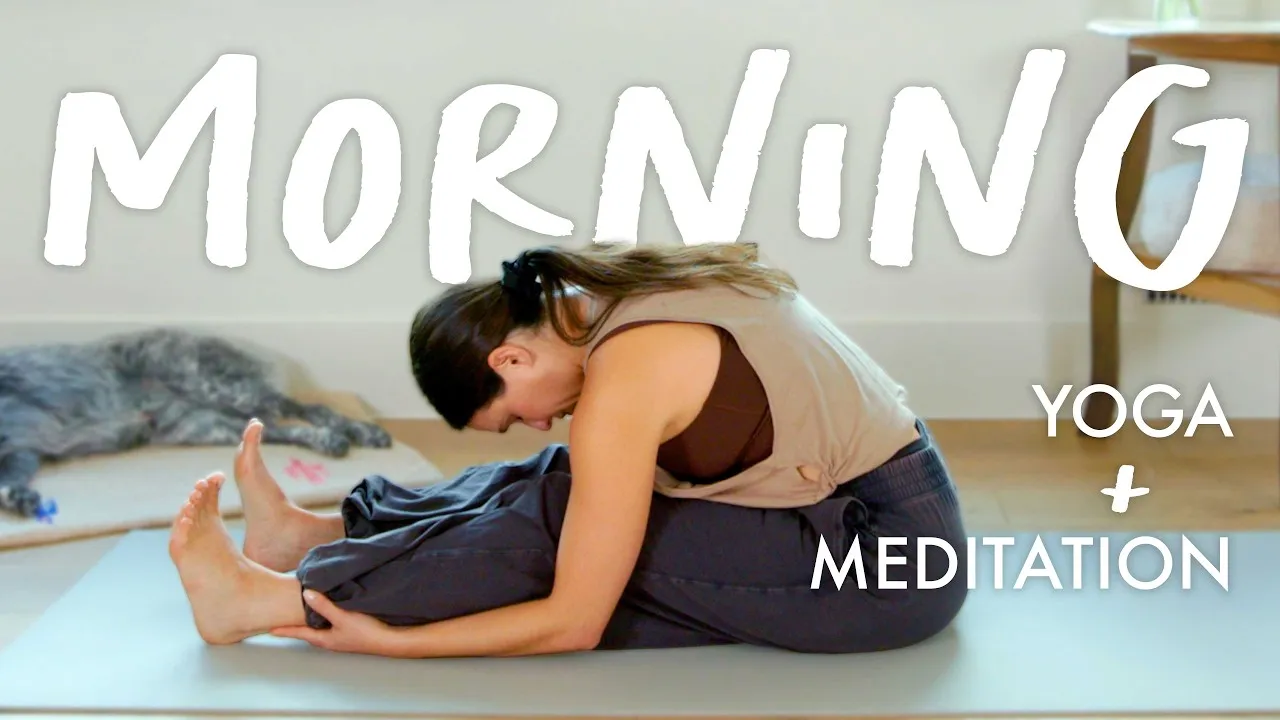
Boost Your Morning with a Gentle Yoga and Meditation Practice
The early morning hours, though sometimes a challenge to embrace, offer a unique opportunity for self-reflection and setting a positive tone for the day. This 20-minute yoga and meditation routine is designed to help you connect with your body, calm your mind, and cultivate a sense of presence from the moment you wake up.
Finding Your Center: The Power of Breath and Intention
The practice begins with finding a comfortable seated position, encouraging you to sit on a blanket or cushion to support your spine. The key is to arrive fully, lengthening through your spine and gently closing your eyes. This initial phase is about checking in with yourself, acknowledging whatever state you’re in – be it sleepy, anxious, or simply present – without judgment. The practice emphasizes the role of the observer, allowing you to witness your thoughts and feelings.
Awareness is then gently directed to the breath. The instruction is to allow the breath to be soft and quiet, a subtle anchor that draws your attention inward. As you deepen this connection, you’re invited to bring your palms together at your heart center in Anjali Mudra. This gesture, combined with a conscious deepening of the breath – elongating both the inhalation and exhalation – begins to cultivate a more substantial breath, one that can anchor the mind.
For those who wish to deepen their practice, options like Ujjayi breath (the victorious breath, often described as an ocean sound) or vocalizing exhales with a sigh are suggested. The core principle remains to keep focus on the breath, using its rhythm as a tool for presence. This segment concludes with an invitation to set an intention for the day by choosing a single word that encapsulates the desired feeling or focus. This word serves as a guiding principle, a reminder to return to throughout your day.
Gentle Movement for Spinal Health and Mobility
The physical portion of the practice starts with simple seated movements. A gentle dropping of the chin to the chest, followed by rounding the spine into a cat-like pose, then transitioning to a forward and side-to-side motion. This fluidity is designed to warm up the spine and encourage mobility in the shoulders and neck. The emphasis is on slow, steady movements, allowing you to explore the range of motion in your joints and spine, paying attention to the shoulders and neck.
The practice then moves to hands and knees (all fours) for a gentle spinal warm-up. Dropping the elbows to the ground with parallel forearms and wrists aligned with the knees, you’re encouraged to walk the knees back slightly to open up the shoulders. This pose, with the forehead potentially resting on the ground and the tailbone pointing upwards, is beneficial for those who spend significant time at a computer, offering a gentle stretch for the front body and encouraging breath into the belly, ribcage, and upper back.
Transitioning to the belly, a Sphinx pose is introduced by grounding through the elbows. This gentle backbend encourages awareness of the low abdominal muscles and the pubic bone pressing into the earth, which can help alleviate pressure in the lower back. Subtle movements, like tracing a line with the nose from side to side, further enhance spinal mobility. The practice then moves into a low cobra variation by extending the fingertips back, lifting the chest slightly while keeping the toes on the ground. This is followed by a return to Child’s Pose, offering a moment of rest and integration.
Cultivating Strength and Balance in Lunges
The routine progresses to standing poses, starting with a low lunge. Stepping one foot forward and bringing the opposite knee back, fingertips frame the front foot. This pose is about finding a deep breath and a gentle lift from the pelvic floor to the core. The shoulders are then encouraged to loop forward, up, and back as the fingertips reach towards the sky, opening the front of the body and grounding through the back leg. This is a moment to lift the chest and potentially the gaze, reaching upwards.
After returning to all fours or a downward-facing dog, the sequence is mirrored on the second side. The emphasis remains on mindful movement, noticing sensations in the hips and low back, and finding that gentle lift from the pelvic floor to the core center before reaching the fingertips skyward. The instruction to be slow and steady is paramount, encouraging a mindful approach to each transition.
Winding Down: Gentle Stretches and Relaxation
The practice concludes with seated forward folds and reclining poses designed to release tension and promote relaxation. A gentle forward fold with bent knees, leading with the heart, allows for a release in the spine and hamstrings. This is followed by a transition to lying on the back, where knees are hugged into the chest for a gentle rock side to side. The session finishes with a reclined spinal twist, easing the knees to one side while opening the opposite arm, drawing attention inward to the felt sense of the breath in the body.
The final moments involve returning to a comfortable seated position, bringing the palms together at the heart, and reconnecting with the chosen intention word. The practice encourages carrying this mindfulness, breath awareness, and heart connection into the rest of the day. The session concludes with a bow, acknowledging the shared practice and the intention set.
Key Health Takeaways
- Morning Ritual for Calm: Starting your day with even a short yoga and meditation practice can significantly reduce stress and anxiety.
- Improved Body Awareness: Gentle movements and breathwork enhance your connection to your physical sensations.
- Spinal Health: The seated and hands-and-knees movements promote spinal mobility and can alleviate stiffness, especially for those with sedentary lifestyles.
- Mindfulness and Focus: Focusing on the breath and a daily intention can improve concentration and mental clarity.
- Emotional Regulation: The practice encourages observing emotions without judgment, fostering greater emotional balance.
Who is this for?
This practice is suitable for most individuals, including beginners, looking to establish a calming morning routine. Modifications are offered throughout, making it accessible for various fitness levels. It can be particularly beneficial for individuals experiencing stress, anxiety, or seeking to improve their mind-body connection.
Disclaimer
This article is for informational purposes only and does not constitute medical advice. Always consult with a qualified healthcare provider before beginning any new exercise program or making any changes to your health regimen. The instructor’s credentials are not specified in the transcript.
Source: Early Morning Yoga and Meditation – 20 Minute Yoga Practice (YouTube)