Stop Emotional Eating: 3 Questions to Ask Yourself
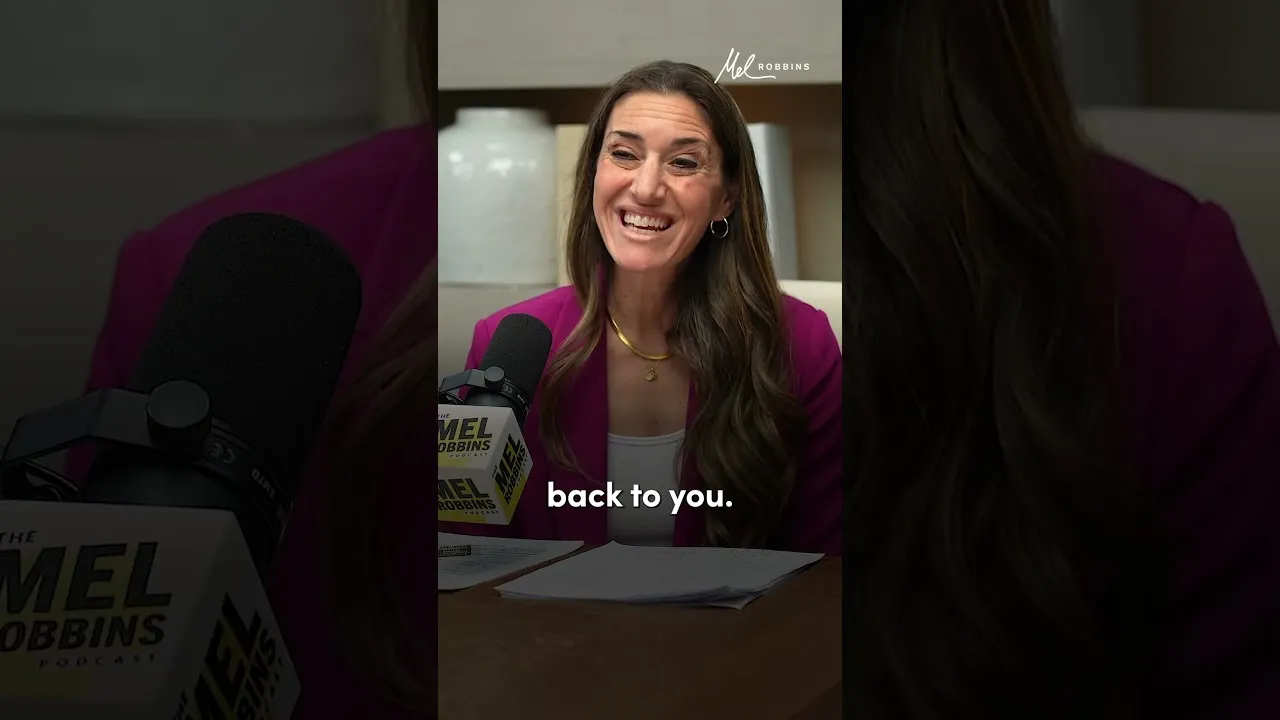
Do you find yourself frequently opening and closing the refrigerator or kitchen cabinets, especially after dinner, without a clear purpose? This common behavior might signal that you’re not physically hungry, but rather seeking comfort or a distraction from underlying emotions. Certified Life Coach and author Mel Robbins suggests a simple yet powerful technique to interrupt this cycle: asking yourself three critical questions.
Understanding the Difference Between Physical and Emotional Hunger
Before diving into Robbins’s strategy, it’s crucial to understand the distinction between physical and emotional hunger. Physical hunger is a gradual, physiological need for nourishment. It typically arises over time, and you’re usually open to various food options to satisfy it. For instance, if you’re physically hungry, you might see a bowl of fruit and eat it without much deliberation, or wait patiently until your next mealtime.
Emotional hunger, on the other hand, is often sudden and intense. It’s driven by feelings like stress, sadness, boredom, or loneliness, rather than a genuine need for calories. When you’re emotionally hungry, you might crave specific comfort foods, and the urge to eat can feel immediate and overwhelming. This type of hunger often leads to mindless eating, where you consume food without truly savoring it or feeling satisfied afterward.
Mel Robbins’s 3-Question Strategy to Combat Emotional Eating
Robbins’s approach centers on pausing and becoming aware of your actions and internal state. When you find yourself mindlessly reaching for food, she advises stopping and asking yourself the following three questions:
1. When is the last time I ate?
This question helps you assess your actual physical hunger level. If you’ve recently consumed a meal, it’s less likely that your body is signaling a need for more fuel. This simple check can immediately bring awareness to whether your urge to eat is driven by physical necessity or something else.
2. Was it satisfying?
This question goes beyond just the quantity of food consumed. It prompts you to consider the quality and your overall experience of the last meal. Did it provide the right balance of nutrients to keep you feeling full and content, both physically and emotionally? Sometimes, restrictive eating patterns or meals lacking sufficient protein, healthy fats, or fiber can leave you feeling unsatisfied, leading to cravings shortly after eating. Reflecting on whether your last meal was truly nourishing and satisfying can reveal if your current urge to eat stems from an unfulfilled nutritional need.
3. What’s going on right now?
This is the most crucial question for addressing emotional hunger. It encourages you to look inward and identify the underlying emotions or circumstances driving your desire to eat. Are you feeling stressed from work? Did a recent phone call upset you? Are you experiencing loneliness or sadness? By naming the emotion or situation, you begin to separate it from the act of eating. Robbins emphasizes that what you’re truly looking for in these moments is often not found in the kitchen. It might be comfort, stress relief, distraction, or connection, which food alone cannot provide.
Digging Deeper for True Fulfillment
By asking these questions, you create a moment of reflection that can interrupt the automatic response of emotional eating. This pause allows you to acknowledge your true needs. If you’re physically hungry, you can make a conscious choice about what to eat to nourish your body. If you’re experiencing emotional hunger, you can then choose to address the underlying emotion directly. This might involve talking to a friend, engaging in a relaxing activity, journaling, or seeking professional support, rather than turning to food for a temporary fix.
Robbins highlights that the act of opening and closing cabinets or the refrigerator repeatedly without making a decision is a tell-tale sign of emotional hunger. If you were truly physically hungry, you would likely open the fridge, identify something to eat, and consume it without excessive deliberation. This difference in behavior can be a key indicator.
Who Can Benefit from This Strategy?
This strategy is beneficial for anyone who struggles with emotional eating, regardless of age or specific health conditions. It’s particularly helpful for individuals who:
- Frequently eat in response to stress, boredom, or other emotions.
- Find themselves snacking or grazing mindlessly, especially in the evenings.
- Are trying to build a healthier relationship with food.
- Want to understand their eating triggers better.
It’s important to note that this approach is a tool for self-awareness and behavioral change, not a substitute for professional medical or psychological advice. If you have concerns about your eating habits, a diagnosed eating disorder, or significant emotional distress, consulting with a healthcare provider, registered dietitian, or therapist is highly recommended.
Key Health Takeaways
- Differentiate Hunger Types: Recognize the difference between gradual physical hunger and sudden emotional hunger.
- Pause and Reflect: When you feel the urge to eat without clear physical hunger, take a moment to pause.
- Ask Three Questions: Inquire about the last time you ate, whether it was satisfying, and what emotions or circumstances are present.
- Identify True Needs: Use this reflection to determine if you need nourishment or if you’re seeking comfort, stress relief, or another emotional solution.
- Address Underlying Emotions: If emotional hunger is identified, find non-food-related ways to cope with your feelings.
- Seek Professional Guidance: For persistent issues or concerns about eating disorders, consult a healthcare professional.
Disclaimer: This article is for informational purposes only and does not constitute medical advice. Always consult with a qualified healthcare provider before making any decisions about your health or treatment.
Source: Before You Feel Like Emotionally Eating, Ask Yourself These 3 Questions | Mel Robbins #Shorts (YouTube)