Master the Art of Spotting Fake Check Scams and Protect Your Money
In today’s digital age, online marketplaces and personal transactions are common. Unfortunately, this also opens the door for scammers to exploit trust. One of the most prevalent and insidious scams involves fake checks. This guide will equip you with the knowledge to recognize and avoid the ‘bank error in your favor’ or overpayment check scam, a tactic used to defraud unsuspecting individuals.
Understanding the Fake Check Scam
This scam, often referred to as the “bank error in your favor” scam, preys on the victim’s honesty and desire to do the right thing. The scammer will offer to buy an item from you, often through an online marketplace. They will then send you a check for an amount greater than the agreed-upon price. The scammer will feign an “accounting error” and ask you to deposit the fake check and send back the difference. Once you send the money, the fake check will eventually bounce, leaving you out of both the item you sold and the money you sent to the scammer.
How the Scam Works: A Step-by-Step Breakdown
To effectively protect yourself, it’s crucial to understand the mechanics of this scam. Here’s how it typically unfolds:
- The Initial Contact: The scammer contacts you, expressing interest in an item you are selling (e.g., furniture, electronics, a vehicle) through an online platform. They will often claim to be out of town or unable to meet in person, setting the stage for a remote transaction.
- The Fake Check is Sent: The scammer will offer to pay you via check, usually from a business account. This check will be for more than the item’s asking price. The amount overpaid is the bait to make the scam seem legitimate and to encourage you to act quickly.
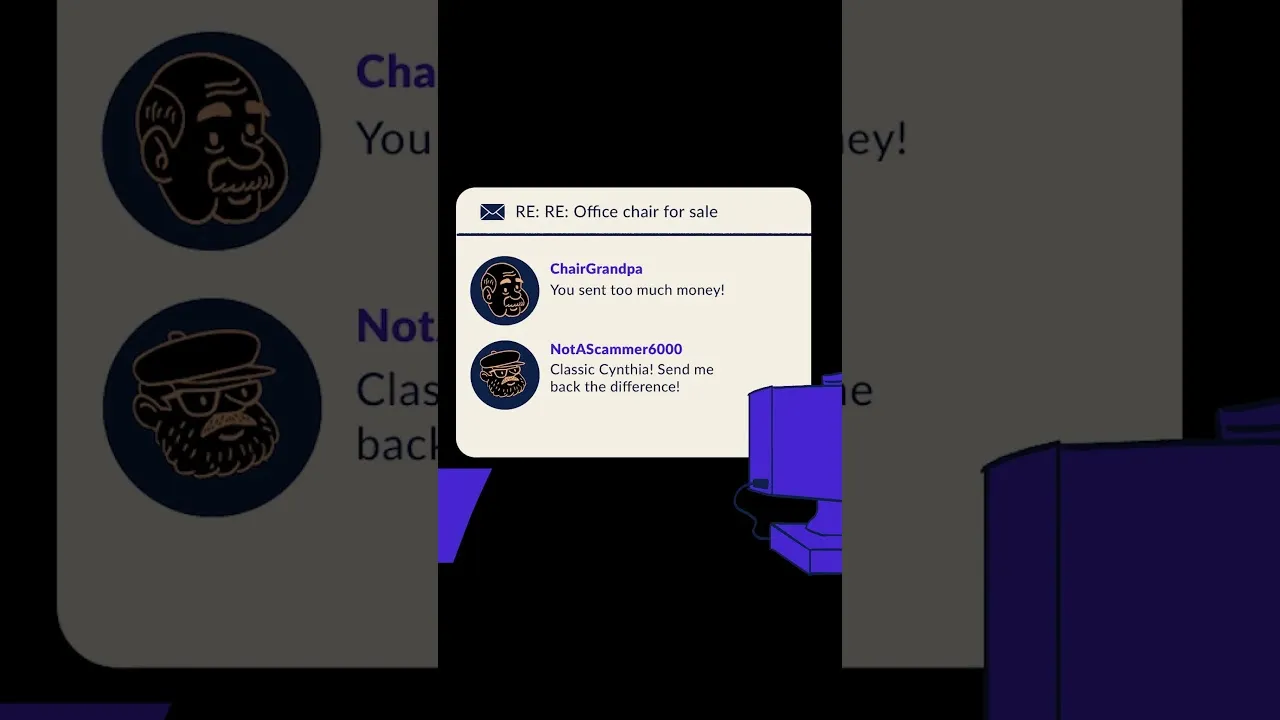
- The “Mistake” is Revealed: Once you receive the check, the scammer will contact you, pretending to have realized an error. They will claim that their accounting department accidentally overpaid you and will instruct you to deposit the check and send them the difference. They might say something like, “Oh, my assistant Cynthia must have made a mistake. Could you please deposit the check and send me back the extra amount? I’ll be back in town to pick up the item soon.”
- Expert Note: The scammer relies on the fact that most people will assume a check is good once it’s deposited into their account. However, banks often make funds available provisionally, meaning the money appears in your account before the check has fully cleared and been verified as legitimate.
- You Deposit the Check and Send the Money: Trusting the scammer’s story, you deposit the check. You then send the excess amount back to the scammer, often through wire transfer, gift cards, or other untraceable methods.
- The Check Bounces: After you’ve sent the money and the scammer has disappeared, your bank will eventually process the check and discover it is fraudulent. The initial deposit will be reversed, meaning the money you thought you had will be deducted from your account.
- The Loss: You are left with no item, no money, and potentially a negative balance in your bank account, as you’ve effectively sent real money to the scammer based on a worthless piece of paper.
Why This Scam Works: Exploiting Urgency and Trust
Scammers are adept at exploiting common human emotions and behaviors. In this scam, two key elements are leveraged:
- False Sense of Urgency: While not always explicit, the scammer creates a situation where you feel compelled to act. They might suggest they need the item quickly or that they are traveling soon. This urgency can lead people to skip crucial verification steps.
- Appealing to Honesty: The scam is designed to make you feel like you are doing the right thing by returning the “overpayment.” This plays on your integrity and makes you less likely to question the transaction.
How to Protect Yourself
Awareness is your best defense. By understanding the scam and taking a few simple precautions, you can avoid becoming a victim:
- Never Accept Checks for More Than the Asking Price: This is the biggest red flag. If a buyer insists on overpaying and asks for the difference back, it’s almost certainly a scam.
- Be Wary of Buyers Out of Town or Unable to Meet: While not all remote buyers are scammers, it increases the risk. Be extra cautious if they insist on a check payment.
- Verify Funds with Your Bank: Never send any money back to a buyer until you are absolutely certain the check has cleared your bank and the funds are fully verified. Even then, be suspicious of overpayments. A legitimate seller would not ask you to return funds from a check that hasn’t cleared.
- Insist on Local Transactions or Secure Payment Methods: For local sales, prefer cash or secure, verified payment methods. If shipping is involved, use reputable platforms that offer buyer and seller protection.
- Trust Your Gut: If a deal seems too good to be true, or if the buyer’s behavior feels off, it’s best to walk away. There are plenty of legitimate buyers out there.
What if a Bank Questions the Check?
Scammers often anticipate that the bank might flag a suspicious check. They may preemptively suggest that if the bank questions it, you should void the check and ask them to send a new one. This is a tactic to make you believe the bank’s suspicion is a normal part of a large transaction, rather than a sign of fraud. If your bank advises you to void a check, especially one from an unfamiliar source, take their advice seriously and do not proceed with sending any money back.
Conclusion
Fake check scams are a persistent threat, but by staying informed and vigilant, you can protect yourself. Always be skeptical of overpayments, verify funds directly with your bank, and prioritize secure transaction methods. Remember, legitimate transactions don’t involve sending money back based on a check that hasn’t fully cleared.
Source: The Emotion Scammers Exploit (YouTube)