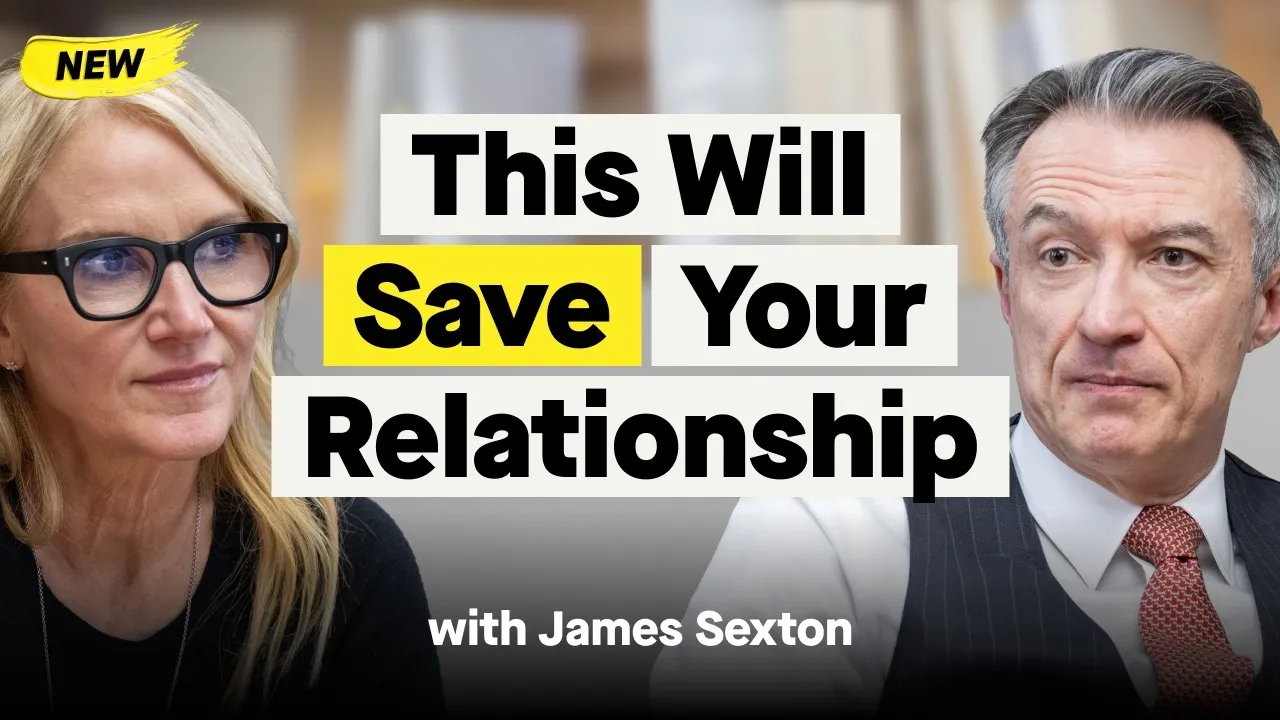
Strengthen Your Marriage: Avoid These Common Mistakes
While many aspire to a happy marriage, the reality for a significant number is far from ideal. With divorce rates hovering around 50% and countless other couples remaining unhappily together, the path to lasting love is fraught with challenges. James Sexton, a prominent divorce attorney with over 25 years of experience, offers a unique, ground-level perspective on why marriages falter and, more importantly, how to prevent it. His insights, gleaned from witnessing the breakdown of countless unions, emphasize practical, actionable strategies over vague platitudes.
The Root Cause of Marital Failure: Disconnection
Sexton identifies disconnection as the primary driver of divorce. While couples may point to specific arguments, financial disagreements, or a lack of intimacy as the culprits, these are often symptoms of a deeper issue. “No single raindrop was responsible for the flood, but the flood’s nothing but little raindrops,” he explains, likening these symptoms to individual raindrops that collectively lead to a marital downpour.
A Lawyer’s Perspective on Relationships
Unlike therapists or psychologists who offer theoretical advice, Sexton’s counsel comes from the “trenches” of legal practice. He argues that people are more likely to be truthful with their lawyers and doctors because these relationships involve privilege and are centered on protection. This raw honesty provides him with a clear-eyed view of relationship failures, much like a mechanic understands the common breaking points of a car model.
“Don’t talk to the car salesman. All they do is deal with new cars. Talk to the mechanic,” Sexton advises. “Talk to the person who’s seen every way a car can break down and will say to you, ‘Hey, here’s the stress points.'” His goal is to equip couples with concrete, evidence-based strategies that don’t require grand gestures or significant expense, but rather a commitment to consistent effort and routine.
The Illusion of “Settling In”
A common pitfall Sexton observes is the tendency for couples to believe that once married, the hard work is over. “Falling feels like flying for a little while,” he notes, describing the initial comfort and complacency that can set in. Couples may mistakenly think their partner will change after marriage or, conversely, that their partner will never change. Both assumptions are detrimental.
The belief that marriage will magically fix a partner’s flaws (e.g., “He’ll stop leaving socks everywhere once we’re married”) is a recipe for disappointment. Equally misguided is the idea that marriage acts as a protective shield, preventing any change in the relationship. “We’re going to our bodies change. Our goals change that the pressures we’re the society around us is constantly changing,” Sexton points out. “So, how would you think that a contract we sign with the government about our relationship is going to prevent it from eroding?”
The Core of a Lasting Marriage: “You’re My Favorite Person”
Despite the statistics, Sexton remains a believer in marriage, viewing relationships as chapters in a life story. He posits that the most beautiful affirmation in a relationship is the simple, profound statement: “You’re my favorite person.” This sentiment, when genuine and reciprocated, signifies a deep connection, acceptance, and prioritization.
He suggests reversing the typical approach to relationship advice. Instead of focusing on preventing divorce, the aim should be to cultivate a relationship where, at the end of life, one can look at their partner and say, “You helped me become the most authentic version of myself, and you’re still my favorite person.” This ideal outcome, he believes, is the greatest blessing and asset one can have.
Actionable Steps for Maintaining Connection
To combat disconnection and prevent marital failure, Sexton proposes a simple yet powerful weekly practice requiring only about 10 minutes. He suggests couples ask each other two key questions:
- “What are three things I did this week that made you feel loved?” This question encourages partners to articulate what truly resonates with them, often revealing surprising insights beyond what the other person might assume.
- “Where did I miss the mark this week?” or “What are three things I could have done better this week?” This allows for constructive feedback in a non-defensive manner, focusing on growth rather than blame.
An optional, but potentially beneficial, third question is: “What are three things I did this week that made you want to have sex with me?” This lighthearted inquiry can rekindle intimacy by focusing on what ignites desire, often uncovering unexpected triggers.
The Power of Framing and Nostalgia
Sexton emphasizes the importance of framing interactions positively. Instead of criticism, which he believes rarely leads to positive change, he advocates for focusing on what’s going well and reinforcing positive behaviors. “You don’t beat your dog into becoming well-behaved. You love them into it. You reward good behavior,” he states.
Nostalgia can also be a powerful tool. Recalling positive shared experiences, like a memorable vacation or a particularly connected moment, can serve as a reference point, reminding couples of their bond and what they miss. This isn’t about dwelling on the past, but about using fond memories to inspire present action and reconnect with the positive emotions that initially drew them together.
Love as a Verb: The Act of Loving
While love is often perceived as a passive emotion, Sexton stresses that it is also an active verb. “To love someone is to act with love for them,” he explains. This active pursuit of loving one’s partner requires understanding their needs, blind spots, and preferences.
He recommends proactively discussing conflict resolution strategies before disputes arise. Asking questions like, “When we fight, do you need space, or do you prefer to talk it out immediately?” can prevent misunderstandings during heated moments. This preparation, done during times of peace and connection, allows couples to navigate conflict more effectively when it inevitably occurs.
Strategic Communication Over Criticism
Sexton draws a parallel between his legal work and relationship dynamics, discussing the concept of “manipulation” in a positive light. Just as a lawyer strategically influences emotions to achieve a favorable outcome, individuals can intentionally frame their words and actions to foster positive feelings in their partner. This isn’t about deceit, but about strategic communication aimed at strengthening the bond.
For example, instead of complaining about stubble being scratchy, framing it as “I love it when you’re clean-shaven” can motivate a partner to comply out of a desire to please. This approach focuses on what the partner enjoys and encourages behaviors that foster connection and intimacy, rather than highlighting perceived flaws.
Key Health Takeaways
- Prioritize Connection: Disconnection is the leading cause of divorce. Make regular, intentional efforts to stay connected with your partner.
- Invest 10 Minutes Weekly: Dedicate a small amount of time each week to ask your partner about feeling loved and where you could improve.
- Focus on Positive Reinforcement: Acknowledge and appreciate what your partner does well, rather than solely focusing on criticism.
- Love is an Action: View love not just as a feeling, but as a verb – something you actively do through your words and actions.
- Communicate Proactively: Discuss conflict resolution styles and relationship needs when things are calm, not during arguments.
- Reframe Interactions: Use positive framing, nostalgia, and appreciation to foster goodwill and strengthen your bond.
Disclaimer: This article is based on insights shared by James Sexton and does not constitute medical or therapeutic advice. If you are experiencing difficulties in your relationship, please consult with a qualified therapist or counselor. Always consult your physician before making any decisions related to your health or well-being.
Source: The Most Eye-Opening Conversation on Marriage & Love You Will Ever Hear (From #1 Divorce Lawyer) (YouTube)