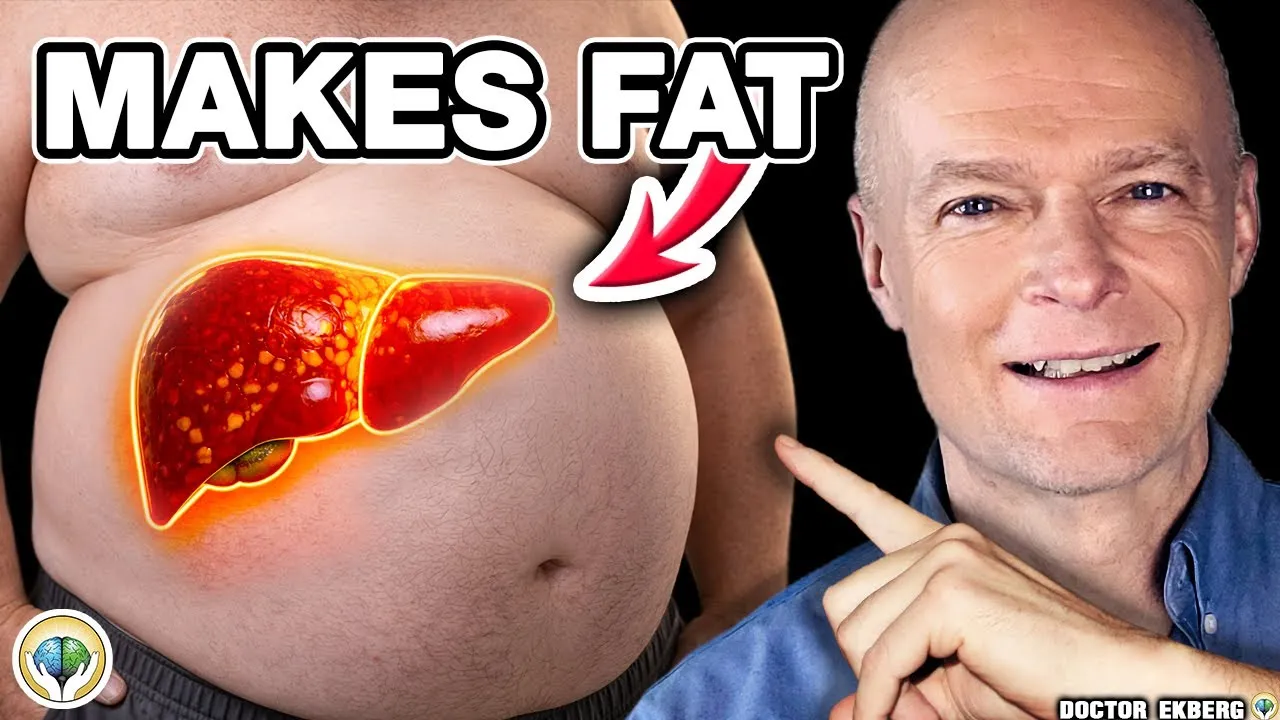
Stubborn Belly Fat? Your Liver Might Be the Culprit
Are you struggling to lose belly fat despite trying various diets and exercise routines? The reason might be closer than you think: your liver could be hindering your body’s ability to burn fat effectively. The liver acts as the body’s main metabolic center, and when it’s overloaded, it can lead to fat accumulation, particularly around the abdomen.
The Liver’s Role in Fat Metabolism
When you consume excess sugar and carbohydrates, your liver converts them into fat. If the liver is overwhelmed, it may export this fat as triglycerides instead of burning it. This process is closely linked to insulin resistance, a condition where your body’s cells don’t respond well to insulin. Visceral fat, the fat stored around your abdominal organs, is particularly sensitive to insulin, making it easier to store fat in this area.
Insulin resistance can create a vicious cycle. High blood sugar spikes and subsequent crashes can lead to fatigue, especially after meals. Your body tries to compensate by releasing more insulin, which can cause blood sugar to drop too low, leaving you feeling tired. This instability can also trigger sugar and carbohydrate cravings, as your brain seeks a quick energy source. Giving in to these cravings leads to more frequent blood sugar and insulin spikes, further promoting fat storage.
Signs Your Liver May Be Overloaded
Several signs can indicate that your liver is struggling to function optimally, impacting your ability to lose fat:
- Stubborn Belly Fat: As mentioned, this is a primary indicator. If your belly fat resists your efforts to shed it, your liver’s function in fat metabolism might be compromised.
- Fatigue After Meals: If you feel unusually tired after eating, it could be due to blood sugar fluctuations. An overloaded liver has trouble buffering blood glucose between meals, leading to energy crashes.
- Sugar and Carb Cravings: When your body can’t easily access fat for energy due to insulin resistance, it relies more on carbohydrates. Blood sugar instability then drives intense cravings for quick fuel.
- Brain Fog or Poor Focus: The liver clears toxins and waste from your blood. If it’s overloaded, waste can build up, affecting brain function and clarity. Inconsistent blood sugar levels also starve the brain of a steady energy supply.
- Elevated Triglycerides: High triglycerides, a type of fat in your blood, can signal that your liver is converting excess carbs into fat and releasing them into the bloodstream. This often happens when your cells are also resistant to taking up this fat due to insulin resistance.
- Skin Issues: When the liver is overwhelmed, the body may use the skin as a backup pathway for eliminating toxins. This can manifest as acne, rashes, or other skin problems.
- Difficulty Tolerating Fat: Your liver produces bile, which helps break down dietary fat. A sluggish liver may produce less bile, leading to poor fat digestion, bloating, nausea, and potentially fatty stools.
- Weight Gain Despite Healthy Eating: Even if you eat what you consider healthy foods, frequent meals, especially those high in carbohydrates, can keep insulin levels elevated, preventing fat burning and promoting storage.
- Hormone Imbalances: The liver plays a role in breaking down and clearing hormones. If it’s sluggish, hormone levels can become imbalanced, potentially promoting fat storage, especially in the abdominal area.
- Plateauing Weight Loss: If you’ve tried various methods to lose weight and hit a wall, a chronically overloaded liver and resulting insulin resistance might be the reason. Your body may adapt by slowing metabolism and blocking fat burning.
What Overloads the Liver?
Several lifestyle factors can contribute to an overworked and congested liver:
- Frequent meals
- Excess sugar and carbohydrates
- Processed foods, often containing seed oils
- Alcohol
- Environmental toxins
- Lack of physical activity
- Poor sleep
- Chronic stress
Strategies for Supporting Your Liver and Fat Loss
Addressing these lifestyle factors is key to helping your liver function better and promoting fat loss. This might involve:
- Reducing meal frequency to allow for longer fasting periods.
- Cutting back on sugar and refined carbohydrates, replacing them with healthy fats and proteins.
- Minimizing processed foods and alcohol consumption.
- Increasing physical activity, focusing on aerobic exercise.
- Prioritizing adequate, quality sleep.
- Managing stress through techniques like meditation.
For some individuals, especially those with significant insulin resistance, more intensive strategies may be necessary. These could include cycling in and out of ketogenic diets, practicing intermittent fasting (e.g., 16:8 or 18:6 schedules), and incorporating a mix of aerobic and high-intensity interval training.
Individual Responses Vary
It’s important to recognize that people respond differently to lifestyle changes due to genetic factors, past experiences, and the severity of their metabolic issues. While one person might see rapid results from dietary changes, another may require a more comprehensive and prolonged approach. Blood work, including checking insulin levels, can provide valuable insights into your metabolic health and guide your strategy.
Disclaimer: This information is for educational purposes only and does not constitute medical advice. Always consult with a qualified healthcare professional before making any changes to your diet, exercise routine, or health practices.
Source: 10 Signs Your LIVER Is Blocking Belly Fat Loss (YouTube)