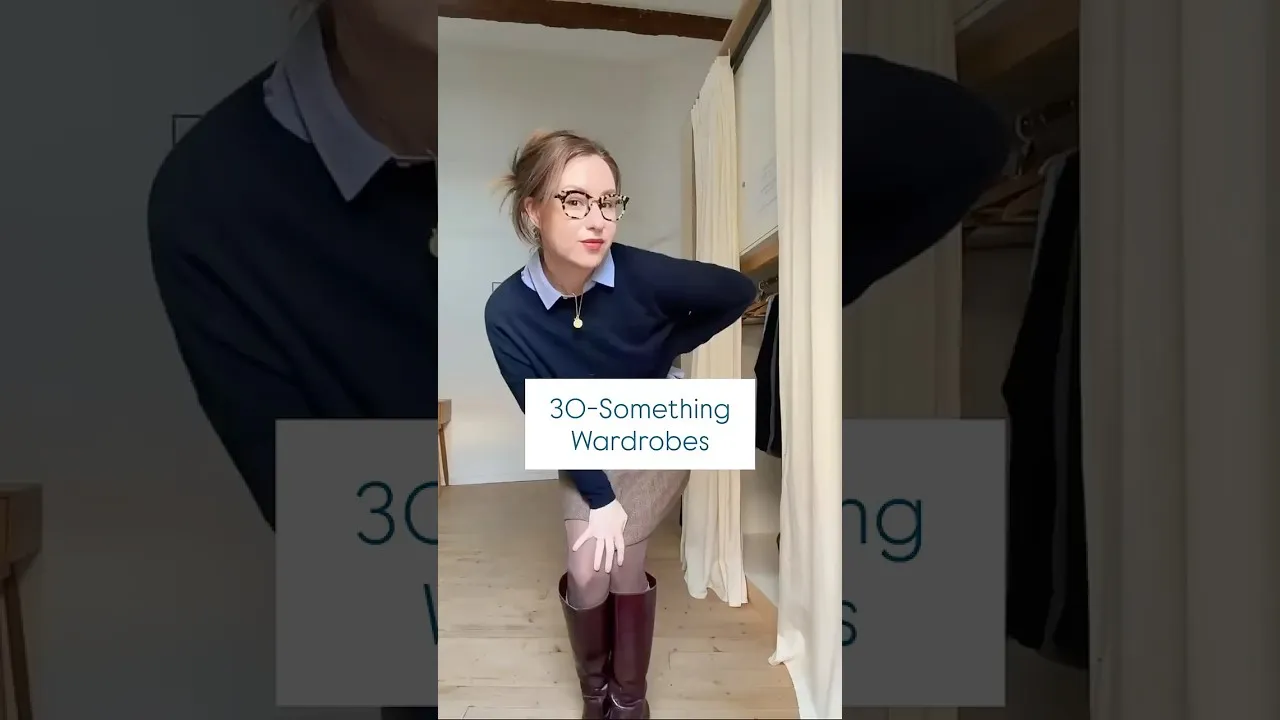
Navigating the Wardrobe Landscape in Your 30s
The transition into one’s 30s often brings a renewed focus on personal identity, and for many, this includes a significant re-evaluation of their wardrobe. Moving beyond the pressures of youth-centric fashion, this decade presents an opportunity to cultivate a style that is both sophisticated and enduring. Experts suggest a shift in mindset, prioritizing longevity, versatility, and personal expression over fleeting trends and the relentless pursuit of a perceived ideal body shape.
Rule 1: Embrace Silhouette Over Slimming
A prevalent mindset, particularly for women, has historically emphasized dressing to appear as slender as possible. This can stem from societal pressures and a desire to conform to certain aesthetic ideals. However, this approach can severely limit sartorial choices, excluding the rich possibilities offered by more architectural or voluminous clothing. Embracing a wider range of silhouettes allows for greater comfort, personal expression, and a more chic, mature aesthetic. The 30s are an ideal time to shed the constraints of constantly trying to appear smaller and instead explore styles that flatter and feel good, regardless of perceived body parameters.
Rule 2: Invest in Longevity, Not Trends
While the allure of the latest fashion trends can be strong, the 30s mark a pivotal moment for investing in pieces designed for longevity. The focus shifts from acquiring numerous, often disposable, trendy items to building a collection of high-quality garments that can last for years, if not decades. Hyper-trendy looks are frequently at odds with this investment-oriented approach, as their appeal is often short-lived. Prioritizing timeless designs, durable fabrics, and superior craftsmanship ensures that one’s wardrobe remains relevant and stylish through changing seasons and personal evolution. This strategy not only proves more economical in the long run but also fosters a more sustainable approach to fashion consumption.
Rule 3: Cultivate Versatility, Not Just Variety
The digital age, particularly through social media, often promotes the idea of constantly showcasing new outfits and discouraging the repetition of clothing items. However, authentic personal style is built on the foundation of discovering what works and integrating those pieces seamlessly into one’s daily life. While a strict ‘capsule wardrobe’ may not be necessary for everyone, the principle of interchangeability holds significant value. The majority of one’s wardrobe pieces should be capable of mixing and matching, creating numerous outfit combinations from a curated selection. This approach maximizes the utility of each item, reduces decision fatigue, and allows for a more cohesive and personalized style narrative. It encourages a deeper understanding of one’s own taste and what truly resonates, rather than chasing external validation through novelty.
The ‘Awkward Decade’ Myth
The 30s are sometimes perceived as an awkward transitional period in dressing, particularly when individuals feel they are ‘aging out’ of youthful styles without having established a mature aesthetic. However, by reframing this decade as the beginning of a ‘grown woman wardrobe,’ individuals can approach their style with confidence and intention. This perspective emphasizes growth, self-assuredness, and the development of a personal style that reflects maturity and individuality, rather than a perceived decline.
Market Impact and Investor Insights
While the transcript focuses on personal style, the underlying principles have broader implications for the fashion and retail industries. The shift towards investing in durable, high-quality, and versatile pieces suggests a potential move away from fast fashion and towards brands that emphasize craftsmanship, sustainability, and timeless design. Investors may observe increased demand for premium materials, ethical production practices, and brands that foster customer loyalty through enduring style rather than ephemeral trends.
Companies that can align their product offerings with these evolving consumer values—focusing on quality over quantity, promoting versatile pieces, and building a narrative around longevity and personal investment—are likely to see sustained growth. Conversely, brands heavily reliant on rapid trend cycles and disposable fashion may face challenges adapting to this more considered consumer approach.
For consumers, this decade is an opportune time to assess current spending habits and consider a more strategic approach to wardrobe building. Investing in well-made staples that can be styled in multiple ways offers greater long-term value and a more sophisticated personal presentation. It’s about curating a collection that serves individual needs and reflects a confident, mature identity, moving beyond the pressures of youth and embracing the elegance of personal evolution.
Source: 30-Something Wardobes (YouTube)