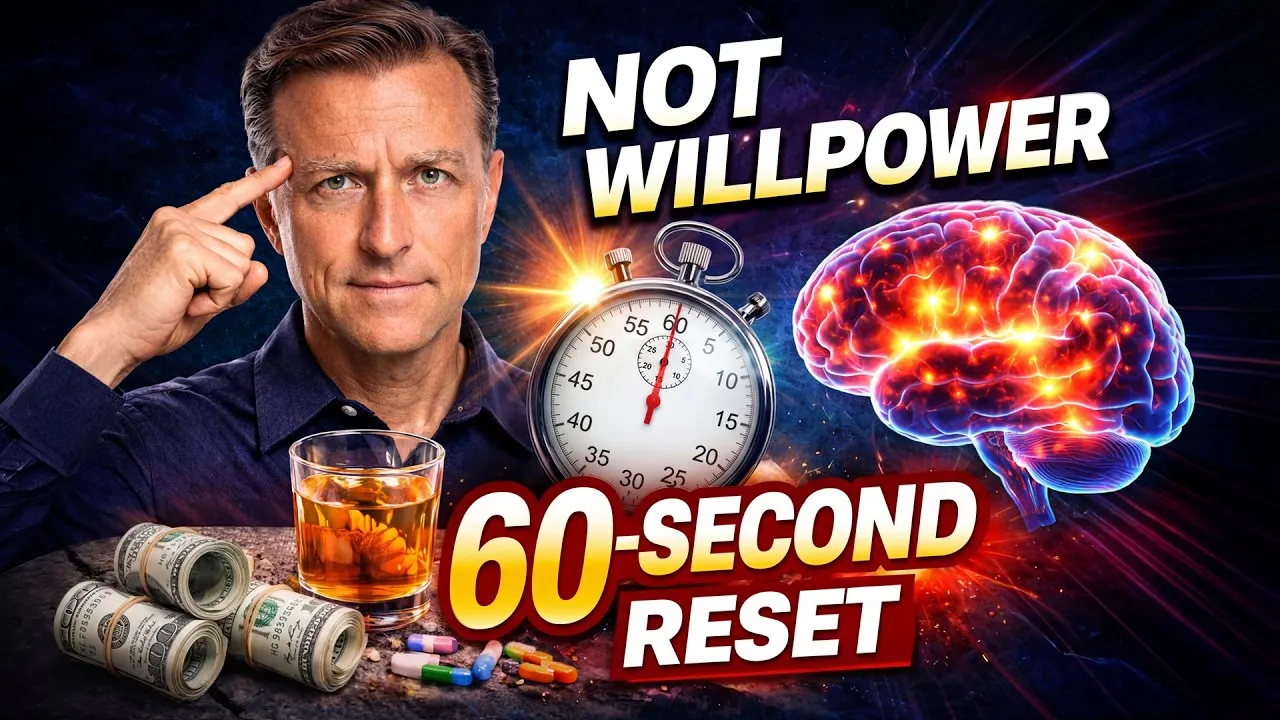
Tame Addiction Urges in 60 Seconds With This Technique
Addiction is often misunderstood as a sign of weak willpower or lack of discipline. However, experts explain that it’s a complex response rooted in the body’s survival mechanisms, driven by specific brain chemicals. Fortunately, a simple, rapid technique can help individuals regain control over addictive impulses.
Understanding Addiction’s Roots
At its core, the human body is programmed for survival. This drives us to seek essentials like food and water. Addictive behaviors, such as consuming alcohol, sugar, or engaging with social media, hijack these survival pathways. When a substance or activity provides temporary relief from stress or discomfort, the brain’s chemical messenger, dopamine, can incorrectly label it as crucial for survival.
Dopamine, along with other chemicals like glutamate, plays a significant role in reinforcing these behaviors. Glutamate acts as the brain’s “gas pedal,” increasing activation, while dopamine fine-tunes focus on what it perceives as important for survival. It’s important to note that dopamine itself doesn’t directly cause pleasure; that sensation is initially linked to opioids. Over time, the initial pleasure may fade, and the behavior becomes driven by the need to alleviate withdrawal symptoms or discomfort.
This process can lead to intense urges, often described as agitation or a physical pressure, escalating from “I want it” to “I need it.” When these urges are resisted, the body’s stress response is activated, increasing cortisol and other stress hormones, which can intensify the physical sensations and anxiety, making it harder to resist the impulse.
A Rapid Technique to Reduce Urges
A technique described by experts can help individuals manage and reduce the intensity of these urges within a minute. This method focuses on acknowledging and dissecting the physical sensation associated with the urge:
- Rate the Intensity: On a scale of 0 to 10, assess how strong the urge or compulsion feels.
- Locate the Sensation: Identify where in your body the sensation is occurring. Is it in your chest, head, or elsewhere?
- Describe the Sensation: Characterize the feeling. Is it pressure, tightness, anxiety, restlessness, or a pulling sensation?
- Re-Rate and Repeat: After describing the sensation, re-rate its intensity from 0 to 10. Then, re-locate and re-describe it. Continue this cycle until the intensity significantly decreases or the sensation disappears.
This process helps to make a vague, overwhelming sensation more specific and manageable. By externalizing and analyzing the urge, you create distance between yourself and the sensation, reducing its power. Experts suggest this technique can often diminish intense urges in under a minute, helping to break the cycle of compulsion.
Supporting Strategies for Long-Term Management
While the rapid urge-reduction technique offers immediate relief, several other strategies can support long-term recovery and reduce the underlying neurochemical imbalances associated with addiction:
Nutritional and Supplement Support
- N-Acetyl Cysteine (NAC): This supplement, used medically for conditions like Tylenol poisoning and to break up mucus, is also noted for its ability to help regulate glutamate levels. By reducing glutamate spikes, NAC can help decrease the urgency and compulsion associated with addiction. Dosages can range from 600 mg to 2400 mg per day, depending on the severity of the addiction.
- GABA Support: To counterbalance the excitatory effects of glutamate, supporting the inhibitory neurotransmitter GABA is beneficial. Glycine, often combined with magnesium as magnesium glycinate, can help increase GABA levels. Magnesium glycinate also aids in reducing cortisol and calming the body’s stress response.
- Specific Nutrients for Smokers: For individuals addicted to nicotine, additional nutrients like Vitamin B1 and potassium may be helpful in supporting the biochemical pathways involved in nicotine withdrawal.
Environmental and Lifestyle Adjustments
- Environmental Control: Modifying your surroundings to minimize triggers is crucial. This includes removing addictive substances or temptations from your home and workplace. For example, avoiding junk food or keeping cigarettes out of sight.
- Behavioral Substitutions: Implementing barriers to addictive behaviors and having healthy substitutes readily available can be effective. This might involve using toothpicks as a substitute for smoking or employing content filters and limiting phone use in the bedroom for pornography addiction.
- Support Programs: For severe addictions, structured programs like Narcotics Anonymous (NA) or Narconon offer safe environments, support systems, and nutritional guidance to address deficiencies that may contribute to addiction vulnerability.
- Prioritizing Foundational Health: Ensuring adequate sleep, regular exercise, and balanced blood sugar levels are fundamental. Sleep is vital for restoring brain chemical balance, while exercise can provide a healthy outlet for agitation and physical urges. Balancing blood sugar through a low-carbohydrate, high-protein diet is also critical, as blood sugar dysregulation can significantly impact dopamine function.
- Harnessing Oxytocin: Oxytocin, often called the “bonding hormone,” can act as a “safety hormone” to counteract the stress and danger signals associated with addiction withdrawal. Activities that increase oxytocin include physical touch (hugs, petting animals), social bonding with friends and family, and engaging in activities that provide a sense of purpose, such as helping others.
A Note on Nicotine Addiction
Nicotine addiction is particularly potent due to the rapid and strong reinforcement pathways it creates. Withdrawal symptoms can be intense and may last one to two weeks. Persistence through this initial period, combined with the strategies mentioned above, is key for smokers seeking to quit.
Conclusion
Addiction is a complex interplay of brain chemistry and survival instincts, not a failure of willpower. By understanding the underlying mechanisms and employing a combination of rapid urge-management techniques, supportive nutritional strategies, environmental adjustments, and lifestyle changes, individuals can effectively reduce their dependence on addictive behaviors and regain control of their lives.
This article is for informational purposes only and does not constitute medical advice. Always consult with a qualified healthcare professional before making any decisions about your health or treatment.
Source: Stop the Addiction Impulse in 60 Seconds (Here’s How) (YouTube)