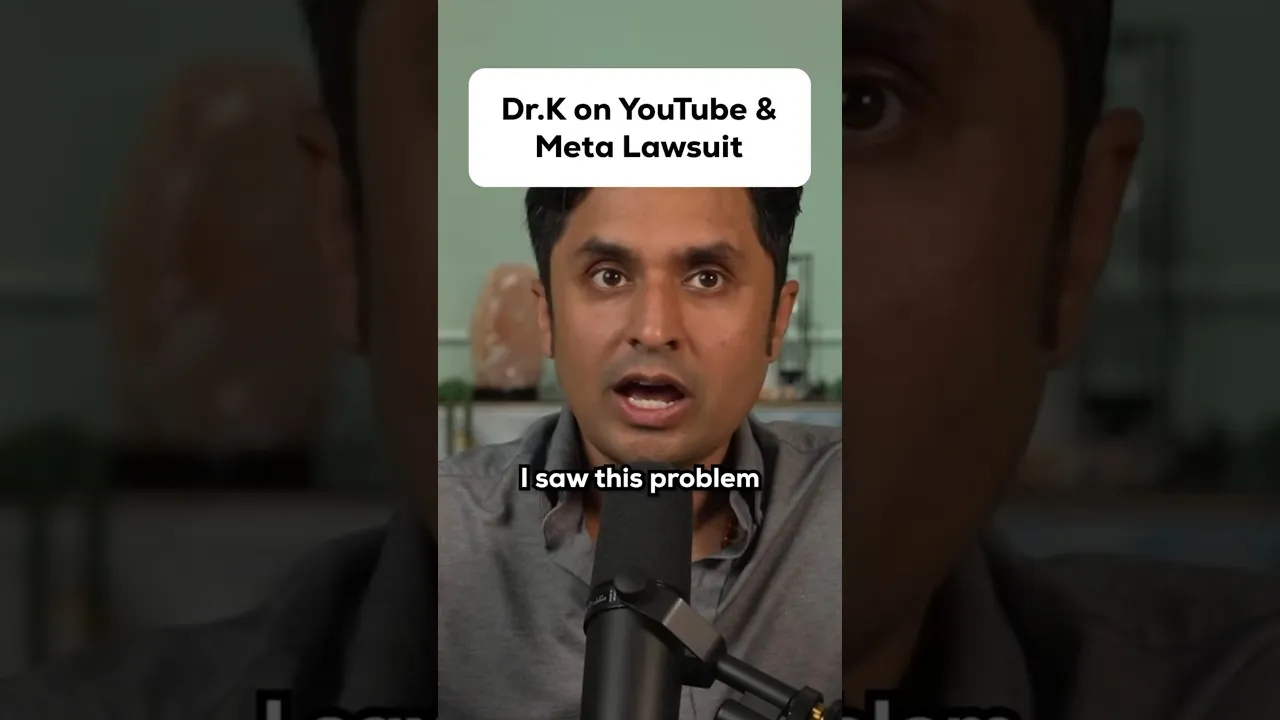
Tech Giants Face Lawsuit Over Social Media Addiction
A recent jury verdict against Meta and YouTube marks a significant moment in the ongoing debate about social media’s impact on young people. A lawsuit, brought by parents and campaign groups, argued that the platforms’ design contributed to a young woman’s childhood addiction. This legal challenge highlights concerns about the addictive nature of social media and the tech industry’s revenue models.
The Core of the Lawsuit: Addictive Design and Advertising Revenue
The fundamental business model for platforms like Meta (which owns Facebook and Instagram) and YouTube is advertising. They offer content for free, relying on users spending as much time as possible on their sites to see more ads. This creates a powerful incentive for these companies to maximize user engagement. To achieve this, they employ teams of experts, including psychologists and behavioral economists, tasked with increasing watch time and user attention, even by tiny fractions of a percent.
This intense competition for user attention can lead to platforms being designed in ways that are intentionally addictive. The lawsuit’s success suggests a legal recognition that this design can cause harm, particularly to vulnerable users like children and teenagers. The jury’s decision found that Meta and YouTube could be held responsible for the general addictive harm caused by their platforms.
Tech Companies’ Responses
Both Meta and Google, the parent company of YouTube, have responded to the verdict. Meta has stated that teen mental health is complex and cannot be solely attributed to one app. They suggest that social media addiction is not a simple cause-and-effect relationship with a single platform.
Google, meanwhile, argued that YouTube is a streaming platform, not a social media site, and that the case misunderstands its purpose. They maintain that YouTube is built responsibly and functions differently from platforms primarily focused on social interaction.
Why This Verdict Matters
This verdict is significant because it opens the door for holding social media and content platforms accountable for the addictive nature of their products. If companies are responsible for the general harms associated with making their platforms addictive, it could lead to substantial changes in how these services are designed and operated. This could mean a shift away from prioritizing user attention above all else.
The lawsuit’s focus on addiction, rather than more extreme outcomes like death or suicide, is seen by some as a crucial step. It acknowledges that the constant pull of these platforms can have detrimental effects on a person’s life, even if those effects are not immediately catastrophic. This ruling could encourage other users who have struggled with social media addiction to seek recourse.
Who is Affected?
This information is particularly relevant to parents, guardians, and young individuals who use social media platforms regularly. It also impacts educators and mental health professionals concerned about the well-being of adolescents in the digital age. The ruling could have broader implications for the entire tech industry and its relationship with user engagement and mental health.
Key Health Takeaways
- Addictive Design: Social media platforms are often designed to maximize user engagement, which can lead to addictive patterns of use.
- Revenue Model: The advertising-based revenue model incentivizes platforms to keep users online for as long as possible.
- Tech Company Expertise: Companies employ experts to increase user attention, potentially at the expense of user well-being.
- Legal Accountability: A recent jury verdict suggests tech companies can be held responsible for the addictive harms caused by their platforms.
- Parental Concerns: Parents are increasingly worried about the impact of social media on their children’s mental health and development.
Disclaimer: This article is for informational purposes only and does not constitute medical advice. Always consult with a qualified healthcare provider for any health concerns or before making any decisions related to your health or treatment.
Source: Dr. K's take on YouTube & Meta Lawsuit (YouTube)