Trump Halts Iran Strikes, Cites ‘Productive Conversations’
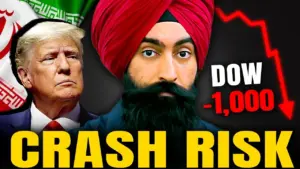
In a surprising move, President Donald Trump announced a 5-day pause on U.S. military strikes against Iranian power plants and energy infrastructure. This decision comes after an initial 48-hour threat of action, signaling a de-escalation in tensions. The White House cited “very good and productive conversations” with Iran over the preceding two days as the reason for this pause, with talks expected to continue throughout the week.
Iran’s Veiled Threats and Market Jitters
The announcement followed a period of heightened rhetoric and escalating threats from Iran. Prior to Trump’s pivot, Iran had issued warnings that U.S. Treasury bonds were “soaked in Iranians blood” and that purchasing them could lead to strikes on financial institutions. This created significant market anxiety, with futures on the 10-year Treasury bond surging past 4.4% as investors began selling off U.S. debt. The bond market, a key indicator of investor confidence and future interest rate expectations, showed clear signs of distress.
Further escalating the situation, Iran threatened to lay more naval mines in the Persian Gulf if its territory came under attack. This strategy, reminiscent of tactics used in World War II, involves using devices like “limpet mines” that can be attached to cargo ships by small, fast boats. Such actions pose a serious threat to global shipping lanes, particularly in the vital Strait of Hormuz. Analysts noted that Iran seemed to be doubling down on its aggressive stance, contradicting the idea that it was backing down from U.S. threats.
Market Reaction and Investor Scrutiny
The news of the strike pause had an immediate, albeit potentially temporary, impact on global markets. Oil prices, which had been elevated due to the geopolitical risks, saw a significant drop of about 7.5%, falling from around $111 per barrel. The 10-year Treasury yield also pulled back to approximately 4.36%, nearing its Friday morning levels. Bitcoin and technology stocks (like the Qs, referring to the Nasdaq 100 index) also experienced initial positive reactions, briefly rallying before showing signs of hesitation.
However, a significant question remains for investors: will the market believe the U.S. claims of productive talks? Some analysts suggest that Trump’s decision might have been influenced by the potential market downturn that a prolonged conflict could have triggered. They argue that the President may have seen the negative futures market data and acted to protect long positions and prevent a market collapse. This perspective suggests that the claimed conversations with Iran might be nominal or exaggerated to justify the pause.
Conflicting Narratives Emerge
Adding to the complexity, Iran has publicly dismissed Trump’s statement, labeling it as “psychological warfare” and denying any ongoing talks. This creates a situation where both narratives could hold some truth. The International Atomic Energy Agency (IAEA) has previously suggested that back-channel communications between the U.S. and Iran have been occurring. It is plausible that lower-level officials on both sides have been in indirect contact, and President Trump is using these limited exchanges as a basis for delaying military action.
The situation highlights a familiar pattern in Trump’s foreign policy, often characterized by aggressive posturing followed by periods of negotiation or pauses. This approach has led to numerous extensions of pauses in the past, aimed at striking deals. The immediate trigger for Iran’s escalation, including threats against energy and tech infrastructure, particularly in Saudi Arabia, underscores the volatile nature of the region.
Market Impact: What Investors Should Know
The primary risk for markets now is whether the de-escalation is genuine and sustainable. Investors will be closely watching the bond market and oil prices for any signs of reversals. If the market perceives the talks as a bluff or a temporary reprieve, the sell-off in treasuries and oil could resume. The success of these ongoing, albeit disputed, conversations will be crucial in determining the short-term direction of global financial markets.
In the longer term, the underlying geopolitical tensions in the Middle East remain a significant factor. While this specific incident may lead to a temporary calm, the broader issues contributing to instability, such as regional rivalries and Iran’s nuclear program, persist. Investors should remain aware of these ongoing risks and their potential to impact energy prices and global economic stability.
Source: HOLY TACO!!! Trump TACOs on Iran!! (YouTube)