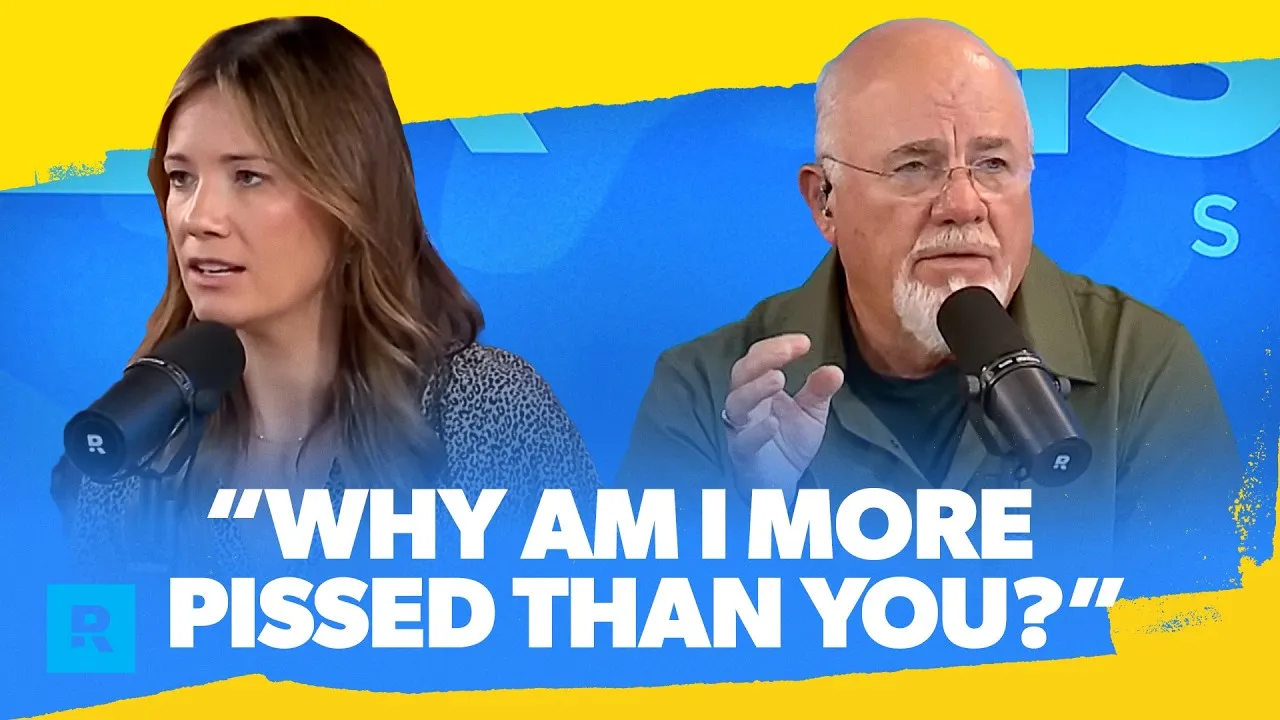
Uncle’s Silence Fuels $70,000 Inheritance Dispute
A family rift has turned into a financial standoff, leaving one heir potentially tens of thousands of dollars out of pocket due to a prolonged estate settlement. What should have been a straightforward distribution of an inheritance has devolved into a year-and-a-half communication blackout, prompting questions about the uncle’s role as estate executor and the potential loss of significant funds.
Inheritance Tied Up in Estate Delay
The situation centers on a woman and her husband who have been diligently working to pay down a substantial student loan debt. They started with $146,000 and have managed to reduce it to $65,000. Their financial progress was expected to accelerate with an inheritance from the woman’s father’s estate. Initial estimates suggested each child would receive between $70,000 and $90,000.
The house connected to the estate was sold a few years ago. However, the uncle, who serves as the estate’s executive, has since become unreachable. For the past 18 months, he has not responded to any attempts at communication, including texts, emails, or phone calls. The heir lives in a different state, making in-person follow-up challenging.
Heir Frustrated by Lack of Progress
The lack of communication is particularly frustrating because the inheritance could immediately eliminate the couple’s remaining student debt. The woman has called her uncle a handful of times over the past year, primarily since she and her husband began aggressively tackling their debt. Her husband was in PA school, and she was in college, meaning the estate wasn’t a top priority until recently.
Her father passed away in 2015. The family on that side has become estranged since his death. While she acknowledges she hasn’t been overly persistent until now, the delay of over 10 years since the father’s passing is raising serious concerns. The house sale occurred several years ago, and typically, estates are settled much faster, often within six months.
Legal and Financial Implications
The core issue is the uncle’s role as the estate’s executive. This position comes with fiduciary duties, meaning he is legally obligated to manage the estate’s assets responsibly and distribute them according to the will. Failing to settle the estate and communicate with heirs for over a decade suggests a breach of these duties.
While theft is a strong accusation, the prolonged delay and lack of transparency could be interpreted as mismanagement. Legally, this is often considered a civil matter rather than criminal theft, especially since the funds were never directly in the heir’s name. However, the executive’s failure to act can lead to legal action, such as a lawsuit to compel the distribution of assets.
What Investors Should Know
This situation highlights the importance of understanding estate law and executor responsibilities. Heirs have rights, and executors have obligations. Prolonged delays in estate settlement are not normal and can indicate serious issues.
- Fiduciary Duty: An estate executor has a legal duty to act in the best interest of the beneficiaries and manage the estate diligently.
- Heir Rights: Heirs are entitled to information about the estate’s progress and a timely distribution of assets as outlined in the will.
- Legal Recourse: If an executor fails to perform their duties, beneficiaries can seek legal intervention to force action or hold the executor accountable.
- Statute of Limitations: While the specific details vary by jurisdiction, prolonged inaction can sometimes affect the ability to recover lost funds. Sitting on an estate for over a decade is highly unusual and problematic.
The heir is now considering hiring an attorney if her uncle does not respond within 10 days. She suspects he may be withholding the funds, possibly believing the heirs are too young or incapable of managing the money. However, the executor’s role is to follow the will, not make personal judgments about beneficiaries.
Potential Outcome and Advice
Experts suggest that estates should typically be settled within a year or two at most. An 11-year delay is excessive. There is a possibility that the funds have been mismanaged or spent, making recovery difficult. Suing someone who may not have the assets to pay can be a fruitless endeavor.
The heir needs to escalate her communication strategy. While she has only called a few times, she may need to adopt a more aggressive approach, including repeated calls and official written demands. If that fails, legal action is the next step. The situation underscores the need for heirs to be proactive in monitoring estate settlements, especially when dealing with family members who may blur personal and professional lines.
Source: My Uncle Owes Me $70,000 And Won’t Call Me Back (YouTube)