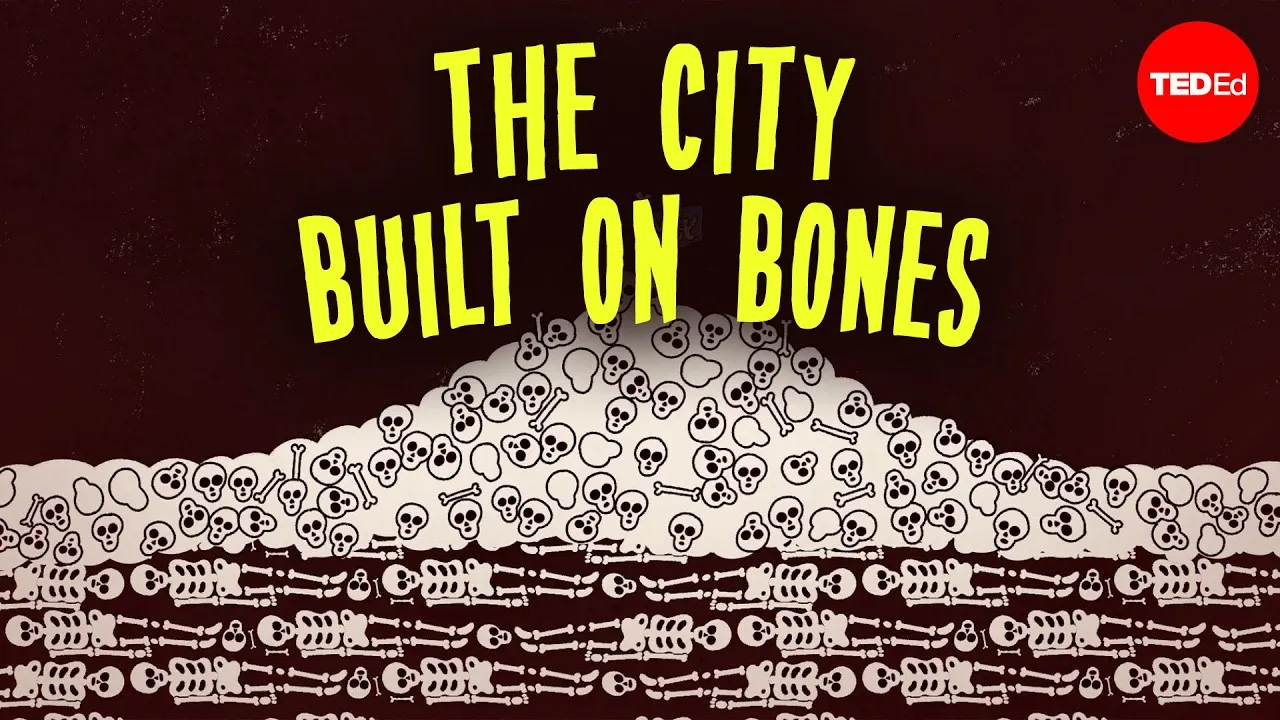
How to Understand the Haunting History of the Paris Catacombs
Imagine a city overflowing with the dead, their remains posing a health risk to everyone living. This was the reality for Paris in the late 18th century. Overcrowded cemeteries threatened public health, forcing city leaders to find a grim but practical solution. This article will guide you through the fascinating and spooky history of how Paris moved millions of its dead underground, creating the famous Catacombs.
The Problem: A City Buried Alive
It all started in 1780. Heavy rains caused a basement wall to collapse in Paris, revealing a horrifying sight: decomposing bodies from the nearby Cemetery of the Innocents. This wasn’t an isolated incident. For centuries, Parisians had buried their loved ones in this very cemetery, packing it full of generations of the deceased.
As Paris grew, so did its cemeteries, which were once placed outside the city. By the 18th century, these burial grounds were right in the heart of town. Enlightenment thinkers and doctors believed that bad air, or “miasma,” caused disease. Overcrowded cemeteries gave off foul odors, and people worried the whole city would get sick.
The Solution: An Underground Solution
Closing the cemeteries in the early 1780s was only part of the answer. Residents still worried about the lingering smells and demanded a permanent fix. The city needed a place for millions of forgotten bodies.
Beneath Paris lay a vast network of old quarries, used since Roman times to build the city. By the 18th century, these mines were becoming unstable, causing dangerous sinkholes. In 1777, the king created a team to fix these underground tunnels. Then, in 1785, a man named Charles-Axel Guillaumot was put in charge of turning some of these abandoned tunnels into a giant underground tomb.
Moving the Masses
The Church was not happy about this plan, as it meant losing money from burial fees. However, the public health crisis was more important. The transfer of bodies began, mostly under the cover of night to avoid scaring people and to limit exposure to the unpleasant “bad air.”
Millions of anonymous bones were dug up by hand. They were then hauled across Paris and unceremoniously dumped into the Catacombs. This project focused on efficiency, not on honoring the dead with fancy memorials. The Cemetery of the Innocents was the main source, but bones soon came from other cemeteries across the city.
The Catacombs Evolve
The French Revolution briefly paused the relocation efforts. However, the Catacombs did serve a purpose for disposing of bodies quickly. Some of the thousands executed during the September Massacres of 1792 were hastily buried there.
New burials were generally not allowed in the Catacombs. Instead, the newly deceased were buried in new cemeteries outside the city limits. After the Revolution, the relocation project picked up speed again. By 1809, Napoleon Bonaparte, understanding the power of national symbols, ordered a small part of the Catacombs to be organized and opened to the public.
A Public Spectacle
Workers arranged the bones, creating patterns with skulls and leg bones. They also added quotes about the temporary nature of life on the walls. The rest of the Catacombs, holding the remains of an estimated 6 million Parisians, was left largely untouched.
After being “decorated,” the Catacombs became a very popular place for tourists. While signs showed which cemetery the bones came from, the bones themselves were mixed together. Rich and poor, soldiers and civilians, old and young – all lay side-by-side. This anonymous mixture turned the Catacombs into a symbol of “the confused equality of death,” as one photographer described it.
A Haunting Legacy
Some records suggest the last bodies were moved as late as the 1930s. Today, people from all over the world visit the Paris Catacombs. They find in these underground caverns a powerful and haunting reminder of our shared mortality and the inevitable future we all face.
Source: The haunting history of the Paris Catacombs – Stephanie H. Smith (YouTube)