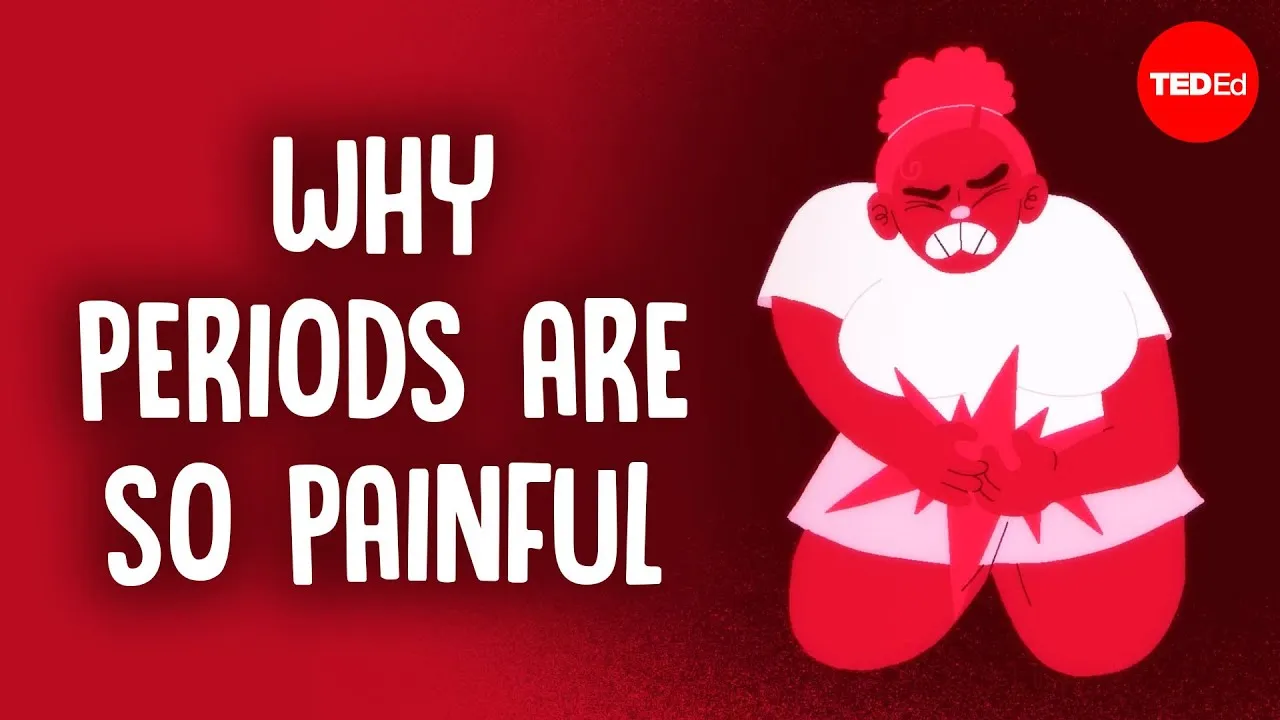
Understand and Relieve Your Painful Period Cramps
Painful menstrual cramps, known as dysmenorrhea, affect a significant portion of people who menstruate, ranging from mild discomfort to debilitating pain. While often accepted as a normal part of menstruation, severe cramps can disrupt daily life and may even indicate underlying health issues. This guide will help you understand the common causes of period pain and explore potential relief strategies.
What You’ll Learn:
- The difference between primary and secondary dysmenorrhea.
- The role of prostaglandins in menstrual cramps.
- How underlying conditions can cause severe period pain.
- Why current treatments may not work for everyone.
Understanding Dysmenorrhea
Dysmenorrhea is the medical term for painful menstrual cramps. The severity can vary greatly, from a dull ache to intense, throbbing contractions that may extend to the back and thighs. Other associated symptoms can include bloating, nausea, and even vomiting. For about 10% of individuals, these cramps are so severe they interfere with daily activities.
Types of Dysmenorrhea
Healthcare experts classify dysmenorrhea into two main categories:
Primary Dysmenorrhea
Primary dysmenorrhea refers to painful menstrual cramps that occur without an identifiable underlying medical condition. It is the more common type and is thought to be related to the body’s natural processes during menstruation.
Secondary Dysmenorrhea
Secondary dysmenorrhea is associated with an underlying medical condition. This can include conditions such as:
- Endometriosis: A condition where tissue similar to the uterine lining grows outside the uterus, causing inflammation and scarring.
- Uterine Fibroids: Non-cancerous growths in the uterus that can cause pressure and discomfort.
While these conditions can cause pain, the intensity of the pain doesn’t always correlate with the severity of the underlying factor. Treatment for secondary dysmenorrhea is highly dependent on the specific condition.
The Role of Prostaglandins
A key factor contributing to primary dysmenorrhea is the presence of compounds called prostaglandins. These hormone-like substances are produced in the body and play a role in various functions, including stimulating the muscles of the uterus to contract. During menstruation, these contractions help shed the uterine lining.
How Prostaglandins Cause Pain
- Intensified Uterine Contractions: Higher levels of prostaglandins can lead to stronger, more frequent uterine contractions, which can be painful.
- Reduced Oxygen Flow: Prostaglandins can also cause blood vessels to constrict, potentially reducing blood flow and oxygen to the uterine muscles, which can trigger pain signals.
- Activation of Pain Receptors: The chemicals released during this process can activate pain receptors in the body.
Relief Strategies Targeting Prostaglandins
Understanding the role of prostaglandins has led to effective pain relief strategies:
- Over-the-Counter Pain Relievers: Nonsteroidal anti-inflammatory drugs (NSAIDs) like ibuprofen and naproxen work by inhibiting prostaglandin production, thereby reducing pain and inflammation.
- Hormonal Contraceptives: Birth control pills and other hormonal methods can thin the uterine lining, which in turn reduces the production of prostaglandins and can alleviate cramps.
Beyond Prostaglandins: Other Contributing Factors
While prostaglandins are a significant factor, research in recent years suggests that they are not the sole cause of period pain. Many other elements likely contribute to the experience of painful cramping, including:
- Hormonal fluctuations
- Inflammation
- Nervous system pathways
- The gut microbiome
The complex interplay of these factors means that period pain is not fully understood, and existing treatments may not be effective for everyone.
The Importance of Addressing Period Pain
It’s crucial to recognize that severe period pain is not something to be endured silently. Regularly experiencing intense pain can have long-term consequences. Some experts believe that repeated exposure to pain can sensitize the nervous system, potentially increasing the risk of developing chronic pain conditions.
Seeking Help and Further Research
Given that period pain is not always fully understood and treatments vary in effectiveness, more research is vital. This research aims to unravel the complex drivers of menstrual pain and develop more effective treatments. Recognizing the reality and impact of period pain is the first step towards better understanding and management.
Prerequisites
No specific prerequisites are needed to understand this article. However, if you are experiencing severe or persistent period pain, it is recommended to consult a healthcare professional for personalized advice and diagnosis.
Source: 3 things that can cause painful periods – Chen X. Chen (YouTube)