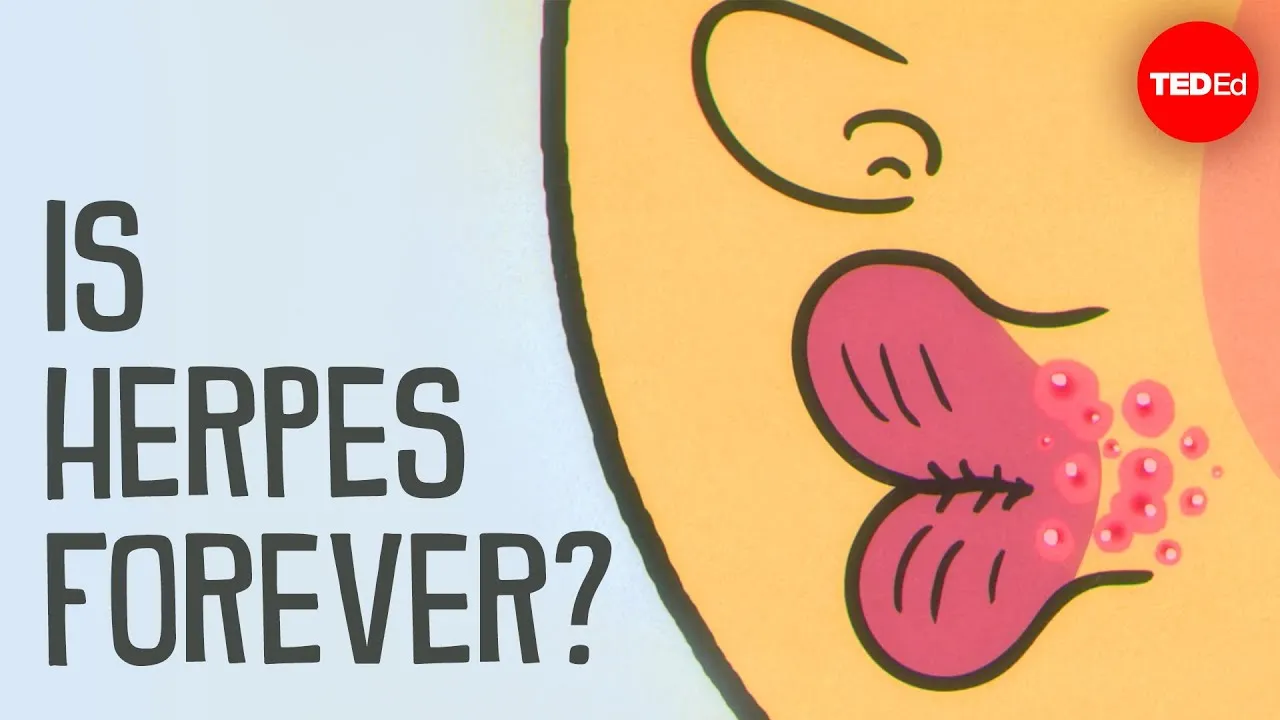
Understanding Herpes: Causes, Symptoms, and Treatment Options
Herpes simplex virus (HSV) is a common viral infection that affects a significant portion of the global population. While often associated with cold sores or genital discomfort, understanding its causes, transmission, and available treatments is key to managing the condition. This guide will walk you through what causes herpes, how it manifests, and the current treatment strategies available.
What You Will Learn
- The specific viruses that cause the condition commonly known as herpes.
- How HSV enters and replicates within the body.
- The mechanism by which HSV becomes dormant and can reactivate.
- The challenges in diagnosing herpes and the most effective diagnostic methods.
- Available treatment options to manage symptoms and reduce transmission.
Prerequisites
- No specific medical knowledge is required.
- Access to a healthcare provider for diagnosis and treatment is recommended.
Understanding the Herpes Simplex Virus
The term “herpesvirus” encompasses a broad family of viruses. However, the condition typically referred to as herpes is caused by two specific viruses: herpes simplex 1 (HSV-1) and herpes simplex 2 (HSV-2).
HSV-1 and HSV-2: Similarities and Differences
- HSV-1: This virus is most commonly associated with oral herpes, which typically causes cold sores around the mouth.
- HSV-2: While HSV-2 can cause infections in various locations, it is more frequently the cause of genital herpes.
It’s important to note that either virus can cause infections in different parts of the body, including the fingers and eyes.
How Herpes Develops in the Body
Herpes simplex viruses enter the body through tiny breaks in the skin or mucous membranes, such as those found in the mouth or genital areas.
Viral Replication and Initial Infection
- Entry: Once inside the body, the viral proteins take over the host cell’s machinery to replicate themselves.
- Symptom Development: For many individuals, the initial infection may not cause any noticeable symptoms. However, in some cases, the virus can cause enough damage to result in the formation of fluid-filled blisters that eventually rupture, leading to painful sores or lesions.
- Systemic Symptoms: In more severe initial infections, the virus can enter the bloodstream, potentially leading to symptoms like fever, muscle aches, and headaches. This triggers the immune system to respond to the viral presence.
Dormancy and Reactivation
A key characteristic of HSV that makes it challenging to combat is its ability to evade the immune system by entering a dormant state.
- Nerve Cell Invasion: After infecting skin and mucosal cells, HSV can travel into nearby nerve cells.
- Migration to Ganglia: The virus then travels along the nerve’s axons to reach nerve clusters known as ganglia. HSV-1 typically resides in the trigeminal ganglia in the skull, while HSV-2 prefers the sacral ganglia near the base of the spinal cord.
- Dormant State: In the ganglia, the virus turns off its replication mechanisms, effectively hiding from the immune system. It does not cause damage or symptoms in this state but remains present.
- Reactivation Triggers: Periodically, the dormant virus can reawaken. This reactivation is often triggered by factors such as illness or stress, although the exact cause is not always apparent.
- Return to Surface: Upon reactivation, the virus travels back down the nerve pathway. This journey can sometimes cause initial warning symptoms like itching or tingling at the site. Once it reaches the skin or mucous membrane surface, the virus resumes replication, potentially leading to a new outbreak of symptoms.
Transmission
Herpes can be spread to others through direct contact when the infection is active and shedding from the skin or mucosa. Since many infections are asymptomatic or cause only mild flare-ups, individuals may be unaware they are infected and can unknowingly transmit the virus.
Diagnosing Herpes
Diagnosing herpes can be surprisingly difficult, especially in the absence of visible symptoms.
Challenges with Blood Tests
Blood tests for herpes are generally not recommended for routine diagnosis. They can often be inaccurate and may not reliably differentiate between oral HSV-1 infections and genital HSV-1 infections.
Effective Diagnosis
The most reliable method for obtaining a clear diagnosis, particularly if you are experiencing symptoms, is to consult a healthcare provider while a lesion is present. A healthcare professional can examine the sores and may perform tests to confirm the presence of the virus.
Treatment and Management of Herpes
For most individuals, herpes does not lead to serious long-term health problems beyond the discomfort of occasional outbreaks.
Antiviral Medications
Antiviral medications are the primary treatment for managing herpes symptoms. These drugs work by:
- Mimicking a component of viral DNA.
- Inhibiting the virus’s ability to replicate.
In addition to alleviating symptoms, antiviral medications can also significantly reduce the risk of transmission, particularly for HSV-2, by approximately 50%.
Long-Term Outlook
Over time, the frequency and severity of symptoms and viral shedding tend to decrease as the body develops a degree of immunity against the virus. However, there is always a residual risk of flare-ups and transmission.
Future Hope
Despite the challenges posed by HSV’s ability to hide and evade the immune system, ongoing scientific research offers hope. Advances in emerging technologies, such as gene editing and the development of novel vaccines, show promise in the ongoing effort to find more effective treatments and potentially a cure for herpes.
Source: What causes herpes, and how can you treat it? – Christine Johnston (YouTube)