How to Understand How Animals Live Together: Ecological Interactions
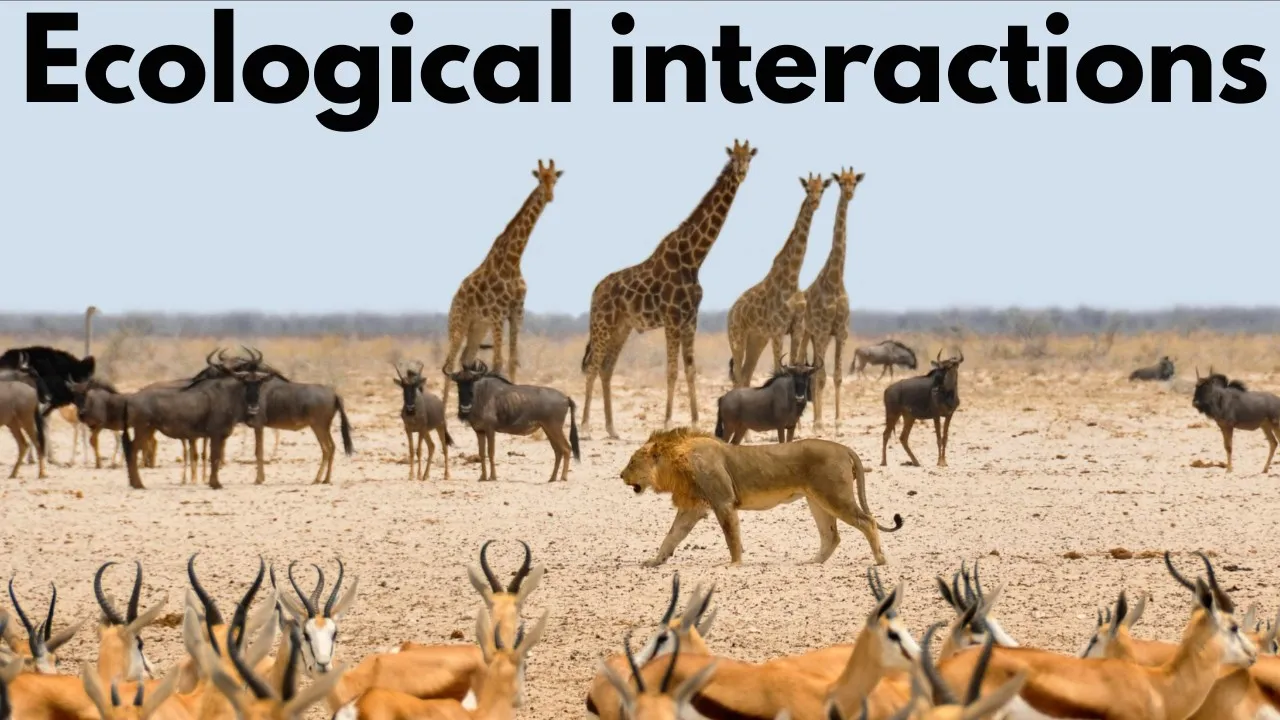
Have you ever wondered how so many different kinds of animals can share the same space, like a grassy savanna, without constantly getting in each other’s way? It seems like they all need the same things: food, water, and a place to live. Scientists have a name for how these living things affect each other: ecological interactions. These interactions explain how an entire environment, called an ecosystem, works. They show us how groups of animals survive, grow, or sometimes get smaller over time. There are three main types of these interactions: competition, predation (and herbivory), and symbiosis.
1. Competition: When Resources Are Scarce
Everything alive needs basic things to survive, like food for energy, water, and a safe place to live and raise young. But in any environment, these important things, called resources, are not unlimited. There’s only so much grass or so much water available for everyone. Competition happens when different living things need the same limited resource. For example, on the savanna, zebras and wildebeests both eat grass. If many animals are eating grass in one spot, there might not be enough for all of them. This is competition. It doesn’t always mean animals are fighting. If one group eats more, less is left for the other. That’s competition too. Competition can happen between different kinds of animals, like zebras and wildebeests. It can also happen between animals of the same kind, like two zebras wanting the same patch of grass. If competition gets too tough, some animals might not get enough to eat or drink. This can lead to fewer babies being born and smaller animal groups. But animals can also find ways to reduce competition. They can do this by using different resources. Giraffes, for instance, eat leaves high up in acacia trees. Zebras and wildebeests eat grass closer to the ground. Because they eat different foods, they don’t compete as much. Competition helps decide where animals can live and how many can survive in one place.
2. Predation and Herbivory: Who Eats Whom?
Some living things survive by eating others. When one animal hunts, kills, and eats another animal, it’s called predation. In this case, the lion is the predator, and the antelope is the prey. The antelope is killed, and the lion gets the food and energy it needs. Think about what happens if there are more prey animals in an area. More food is available, so the number of predators is likely to increase too. On the other hand, if the prey population gets smaller, there’s less food for the predators. This can lead to more competition among predators and a decrease in their numbers. These interactions show how predator and prey populations affect each other and help keep things balanced in an ecosystem. However, not all eating involves animals hunting other animals. When animals eat plants, it’s called herbivory. Giraffes eat acacia leaves, and elephants eat grass. These plant-eating animals are called herbivores. In this interaction, the herbivore gets energy, and the plant is harmed. If there are many plants in an area, the herbivore population might grow because there’s plenty of food. But if too many herbivores eat the plants in one spot, the plant population can shrink. This then affects the number of herbivores that can survive. Like predation, herbivory also influences which animals survive, how many babies they have, and the total number of animals in an area.
3. Symbiosis: Living Together
The third major type of ecological interaction is called symbiosis. This happens when living things form close, long-term relationships with each other. Sometimes, both partners benefit. For example, small birds called oxpeckers sit on large mammals like buffaloes. They eat ticks and other tiny creatures living on the mammal’s skin. The birds get food, and the buffalo gets rid of irritating parasites. This type of symbiosis, where both organisms benefit, is called mutualism. It’s important to know that the birds aren’t trying to help the buffalo on purpose; they’re just getting their own food, and the buffalo happens to benefit from it. But there are other kinds of symbiosis. Consider tiny birds called cattle egrets that follow elephants or zebras. As the large animals walk through grass, they stir up insects. The egrets then eat these insects. The birds benefit by getting an easy meal. The elephants or zebras aren’t helped, but they aren’t harmed either. This is called commensalism. It’s still a close, long-term relationship, but one partner benefits, and the other is mostly unaffected. The third type of symbiosis is when one partner benefits, and the other is harmed. Think of a tick feeding on a deer’s blood. The tick gets nutrients, but the deer loses blood and might become weak or irritated. The tick is the parasite in this relationship. Again, the tick isn’t trying to harm the deer intentionally; it’s just how the tick survives. So, the answer to how so many different creatures can live together is through these ecological interactions. They compete for resources, eat each other, and form long-term relationships. All these connections shape which animals survive, how many babies they have, and how many individuals can live in a certain place. Ecosystems aren’t just random collections of life; they are constantly shaped by these various interactions.
Source: Ecological interactions | Middle school Biology | Khan Academy (YouTube)