Understanding the Rise of Self-Storage in America
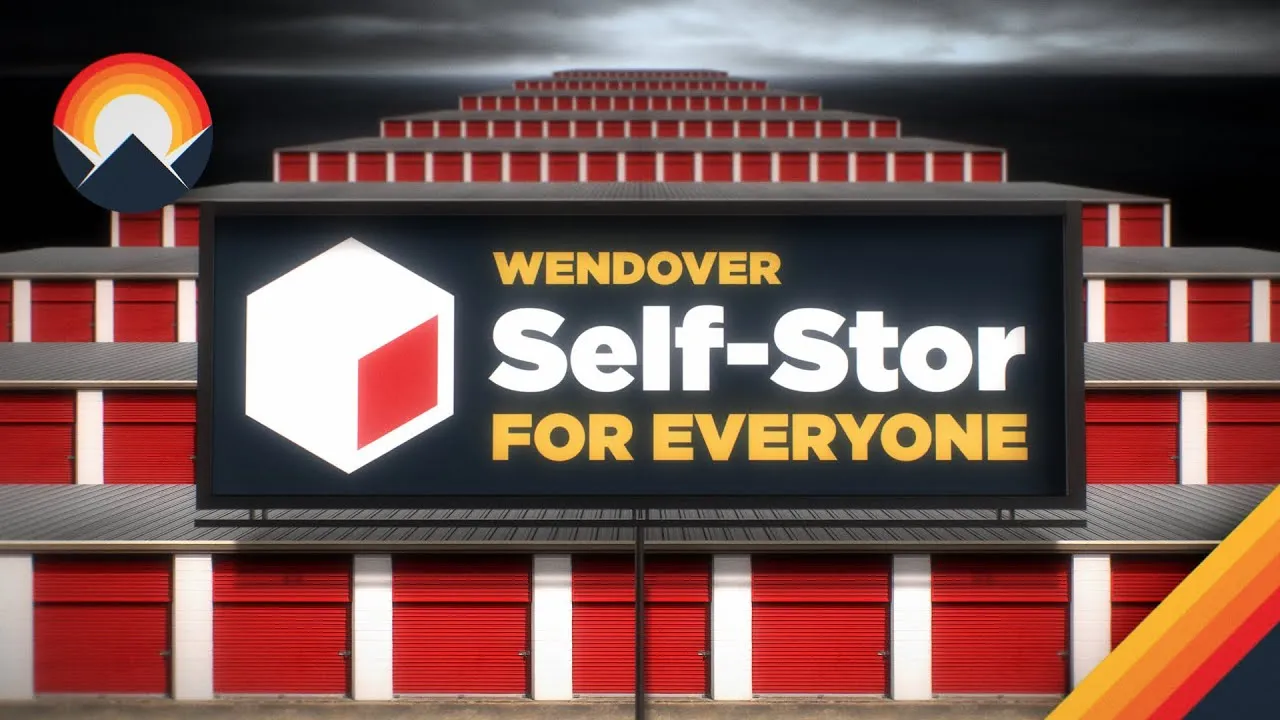
Self-storage facilities have become a common sight across the United States, appearing in bustling cities, quiet suburbs, and rural towns alike. From small, locally-named operations to larger chains, these facilities seem to be everywhere. This article delves into the phenomenon of self-storage in America, exploring why it has become so prevalent, who uses it, and the factors contributing to its rapid growth and unique position within the commercial real estate market.
Why Self-Storage Facilities Are Everywhere
The sheer number of self-storage facilities in the U.S. is staggering. As of 2024, there are over 52,000 facilities, surpassing the combined total of Subway, Starbucks, and McDonald’s locations. These facilities often fill up quickly, with occupancy rates consistently around 90%. This demand is driven by a complex interplay of factors, including consumer habits, economic conditions, and the business model of self-storage itself.
The Demand Side: Americans and Their Stuff
Americans are known for their high levels of consumption. Factors such as a strong disposable income, a culture influenced by e-commerce, and access to affordable goods contribute to the accumulation of physical possessions. When living spaces become too full, self-storage offers a convenient solution to manage excess belongings.
The ‘Four Ds’ and Life Events
Beyond general consumerism, self-storage usage is strongly linked to significant life changes, often referred to as the ‘Four Ds’: divorce, death, downsizing, and decluttering. Increasingly, disaster is also a factor. Americans tend to experience more frequent life disruptions and moves compared to people in other developed countries. These events, whether personal choices or unavoidable circumstances, often necessitate temporary or long-term storage solutions.
Resilience Through Economic Cycles
A key characteristic of the self-storage industry is its resilience. It performs well not only during economic booms but also during recessions. This is because life events that drive demand for storage are not strictly tied to economic prosperity. In good times, people might buy more possessions or larger homes, leading to storage needs. In bad times, downsizing or moving back with family can also result in the need to store belongings.
The Supply Side: An Accessible Business Opportunity
The proliferation of self-storage facilities is also a result of it being a relatively accessible sector within commercial real estate.
Lower Barriers to Entry
Unlike many other commercial real estate ventures, self-storage facilities do not require prime, high-foot-traffic locations. They can thrive in less central areas, such as industrial zones or the outskirts of towns, where land and property costs are significantly lower. This allows for a lower upfront investment compared to retail or residential developments.
Cost-Effective Construction
Building self-storage units is also comparatively inexpensive. The construction of climate-controlled units, typically made of steel and concrete, costs significantly less per square foot than building residential apartments or commercial retail spaces. This cost-effectiveness further lowers the barrier to entry for new operators.
Fragmented Industry and Small Operators
The self-storage industry is highly fragmented. While large companies exist, a significant portion of facilities are owned and operated by smaller, independent businesses. This accessibility makes it a viable option for individuals or smaller investment groups looking to enter the commercial real estate market.
Minimal Overhead and Operational Costs
Once established, self-storage facilities generally have low overhead costs. They require minimal staffing, typically for managing the front desk and property maintenance, and utility costs are relatively low.
The Global Comparison: An American Phenomenon
While self-storage exists internationally, its prevalence in the U.S. is unique. Compared to countries like the UK, Canada, and Australia, the U.S. has a significantly higher square footage of self-storage space per capita. This discrepancy cannot be solely explained by higher levels of consumerism; the business model and accessibility of self-storage in the U.S. play a crucial role.
Potential Downsides and Urban Planning Concerns
Despite its business success and utility for many individuals, the widespread presence of self-storage facilities raises concerns regarding urban development and community impact.
Spatial Impact on Communities
Self-storage facilities often occupy large plots of land and can be visually unappealing, typically designed for function rather than aesthetics. They do not generate significant employment, contribute minimally to local foot traffic for other businesses, and do not foster community interaction. In growing urban areas, they can also impede future development or redevelopment opportunities.
Urban Planning Responses
Some cities have recognized these impacts and are implementing zoning regulations to limit the proliferation of self-storage facilities, particularly in areas designated for higher-density development or commercial activity. Bans and moratoriums have been enacted in various cities to prioritize other forms of development.
The Cycle of Consumption and Hiding
On a broader level, critics argue that self-storage can perpetuate a cycle of buying and hiding possessions, rather than addressing underlying issues of overconsumption or lack of space. It offers a temporary fix that may not solve the root problem and can encourage further purchasing.
Conclusion
Self-storage in America is a complex phenomenon driven by a combination of consumer demand, unique economic resilience, and a business model that offers accessible opportunities for operators. While it serves a practical purpose for many Americans navigating life changes and managing belongings, its widespread presence also presents challenges for urban planning and can be seen as a symptom of broader consumption patterns. The industry’s continued growth suggests it will remain a significant part of the American landscape for the foreseeable future.
Source: How Self Storage Consumed America (YouTube)