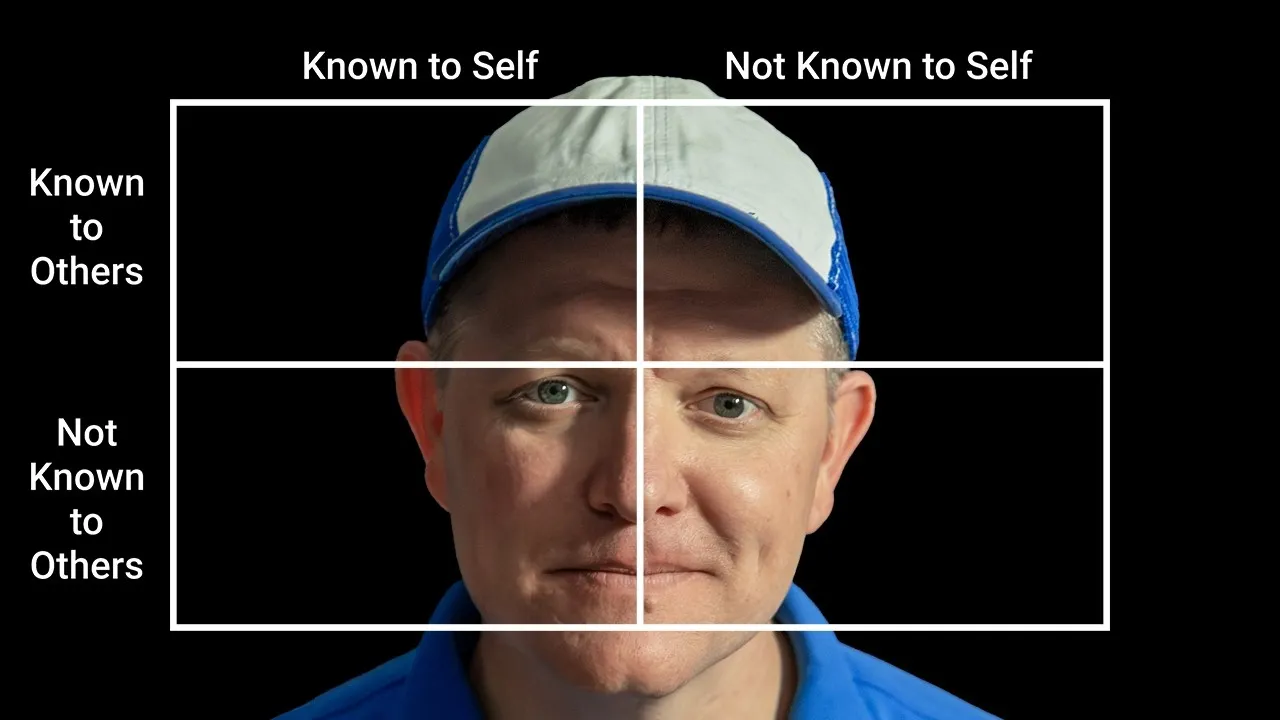
How to Understand Yourself Better Using the Johari Window
Learning about yourself is a lifelong journey. Sometimes, we don’t see ourselves as clearly as others do. The Johari window is a helpful tool that can help you understand yourself better. It shows how self-awareness and how others see us connect. By using this tool, you can learn more about your strengths and areas where you can grow.
What You Will Learn
This article will guide you through the Johari window model. You’ll learn about its four parts, called ‘panes.’ We’ll explore how these panes relate to what you know about yourself and what others know about you. You’ll also discover practical ways to use the Johari window to increase your self-awareness and improve your relationships.
Prerequisites
No special tools or prior knowledge are needed. You just need an open mind and a willingness to think about yourself and how you interact with others.
Understanding the Johari Window
The Johari window was created by psychologists Joseph Luft and Harrington Ingham in 1955. They combined parts of their first names to create the name ‘Johari.’ This model is a simple way to look at self-awareness, personal development, and group understanding. It uses a four-quadrant grid to show how information about a person is known or unknown to themselves and others.
Think of it like a window with four panes. Each pane represents a different aspect of your self-knowledge and how it’s perceived by others.
The Four Panes of the Johari Window
The Open/Arena Pane
This is the first quadrant, located in the upper left. It represents information about you that is known to both yourself and others. These are the things you are aware of about yourself, and that people around you also know. Examples include your job, your hobbies, your personality traits that are obvious, and your known skills. For instance, if you are an engineer and people know you are an engineer, that information belongs in the Arena.
The Hidden/Facade Pane
This quadrant is in the upper right. It contains information about you that you know, but others do not. These are your personal secrets, hidden feelings, or private information you choose not to share. It could be something you are not yet ready to reveal, like a past experience or a personal struggle. This is often called the ‘Facade’ because it’s the part of yourself you present selectively.
The Blind/Blind Spot Pane
Located in the lower left, this pane holds information that others know about you, but you are unaware of. These are your ‘blind spots.’ They can be habits, behaviors, or personality traits that others notice but you don’t recognize in yourself. For example, someone might perceive you as being impatient, but you might not realize it. This area is crucial for growth, as feedback from others can help you become aware of these blind spots.
Expert Note: This pane can be the most challenging to explore because it requires trust and openness to feedback from others. Acknowledging these blind spots is a sign of emotional maturity.
The Unknown Pane
This is the final quadrant, in the lower right. It contains information that is unknown to both yourself and others. This can include hidden potential, undiscovered talents, or deep-seated feelings you haven’t yet experienced or realized. Often, new experiences, challenges, or self-reflection can bring information from this pane into one of the other panes.
Why is the Johari Window Valuable?
The Johari window is valuable because it highlights that our self-knowledge is not always complete. It shows that others often see aspects of us that we miss. Understanding these different panes helps us grow. It encourages us to seek feedback and be open to new information about ourselves. This process can lead to better self-awareness and improved relationships.
How to Use the Johari Window for Growth
The goal of using the Johari window is often to increase the size of the ‘Open/Arena’ pane. This means becoming more aware of yourself and allowing others to know you better. Here are ways to do that:
Increase the Open Pane by Disclosing Information
You can move information from the ‘Hidden/Facade’ pane to the ‘Open/Arena’ pane by sharing your thoughts, feelings, and experiences with trusted people. When you are open and vulnerable, you allow others to know you better. This builds trust and strengthens relationships.
Tip: Start by sharing smaller, less sensitive pieces of information with people you trust. As the relationship grows, you can share more.
Increase the Open Pane by Seeking Feedback
To reduce your ‘Blind/Blind Spot’ pane, you need to ask others for their perspectives. Ask trusted friends, family members, or colleagues for honest feedback about your behavior, strengths, and weaknesses. Listen carefully to what they say without getting defensive. This feedback can reveal blind spots you never knew you had.
Warning: Be prepared to hear things that might be difficult. The goal is growth, not to confirm your existing self-image. Choose people who you know care about you and want to help you.
Explore the Unknown Pane
The ‘Unknown’ pane represents potential and undiscovered aspects of yourself. You can explore this pane through new experiences, challenging situations, or deep introspection. Trying new activities, traveling, or even engaging in creative pursuits can reveal hidden talents or preferences. For those with faith, practices like prayer or meditation can also offer insights into what is unknown.
Expert Note: Curiosity and a willingness to step outside your comfort zone are key to uncovering the unknown aspects of yourself. Every new experience is an opportunity for self-discovery.
Self-Awareness and Relationships
The Johari window shows that self-awareness is deeply connected to our relationships. When we understand ourselves better, we can interact more effectively with others. Conversely, our relationships provide valuable insights into who we are. Being aware of your blind spots and actively working on them can significantly improve the quality of your connections with others. It helps you understand how your actions might affect people and allows you to build healthier, more authentic relationships.
Conclusion
The Johari window is a powerful yet simple model for understanding yourself and your interactions with the world. By exploring its four panes—the Open, Hidden, Blind, and Unknown—you can gain valuable insights. Actively seeking feedback and practicing self-disclosure are key steps to expanding your self-awareness. This journey of understanding yourself better ultimately leads to personal growth and stronger, more meaningful relationships.
Source: What Other People Are Not Telling You…. (Understanding The Johari Window) – Smarter Every Day 314 (YouTube)