Undo Neck Hump: Yoga Poses for Better Posture
Modern life often leads to a common postural concern: the “neck hump,” characterized by an excessive forward curvature of the upper spine. This can result from prolonged periods spent hunched over computers, smartphones, or steering wheels. Fortunately, gentle movement and mindful practice, like yoga, can offer a path toward improved posture and a more supported feeling from within.
This article explores how a targeted yoga practice can help counteract the effects of daily habits that contribute to a forward head posture and upper back rounding, often referred to as a “tech neck” or “text neck” and sometimes contributing to a visible “hump” at the base of the neck. By focusing on gentle expansion, strengthening key muscles, and increasing awareness of the upper spine, individuals can work towards standing taller and feeling more comfortable in their bodies.
Understanding the “Neck Hump” and Posture
The natural curvature of the spine is essential for shock absorption and flexibility. However, prolonged static positions, especially those involving looking down or forward at screens, can alter these natural curves. The muscles in the front of the neck and chest can become tight and shortened, while the muscles in the upper back and back of the neck can become weak and elongated. This imbalance pulls the head forward and the shoulders inward, leading to the characteristic “neck hump” and associated discomfort or pain.
Activities like working at a desk, frequent driving, and spending hours scrolling through mobile devices are primary culprits. This postural pattern is not exclusive to one age group but is increasingly prevalent among adults and adolescents who engage heavily with technology.
How Yoga Can Help
Yoga offers a holistic approach to addressing postural issues by combining physical postures (asanas), breathwork (pranayama), and mindfulness. A practice focused on the upper spine and neck aims to:
- Increase Flexibility: Gently stretching the chest and the front of the neck can release tension built up from prolonged forward-leaning positions.
- Strengthen Upper Back Muscles: Exercises that encourage the shoulder blades to draw together and down can help support the spine and pull the shoulders back into a more neutral alignment.
- Improve Body Awareness: Mindfulness cultivated through yoga helps individuals recognize when they are falling into poor postural habits, allowing for conscious correction throughout the day.
- Promote Spinal Mobility: Gentle movements can help restore a healthy range of motion in the thoracic spine (upper back).
- Encourage Deep Breathing: Proper breathing can help relax the nervous system and release tension, particularly in the neck and shoulder area.
A Gentle Yoga Sequence for Posture Improvement
A practice designed to address the “neck hump” typically involves slow, mindful movements guided by the breath. The focus is on creating space and balance in the upper spine rather than forceful stretching or strenuous exertion. Props such as a blanket or yoga block can be used to enhance comfort and support, making the practice accessible to all levels.
While specific poses will vary, a sequence might include movements that open the chest, gently extend the neck, and engage the muscles of the upper back. Examples of beneficial movements could include:
- Cat-Cow Pose (Marjaryasana-Bitilasana): This foundational pose helps to mobilize the entire spine, encouraging gentle flexion and extension.
- Thread the Needle Pose (Urdhva Mukha Pasasana variation): This pose offers a gentle twist and shoulder stretch, helping to release tension between the shoulder blades.
- Sphinx Pose (Salamba Bhujangasana): A gentle backbend that helps to strengthen the muscles of the upper back and open the chest.
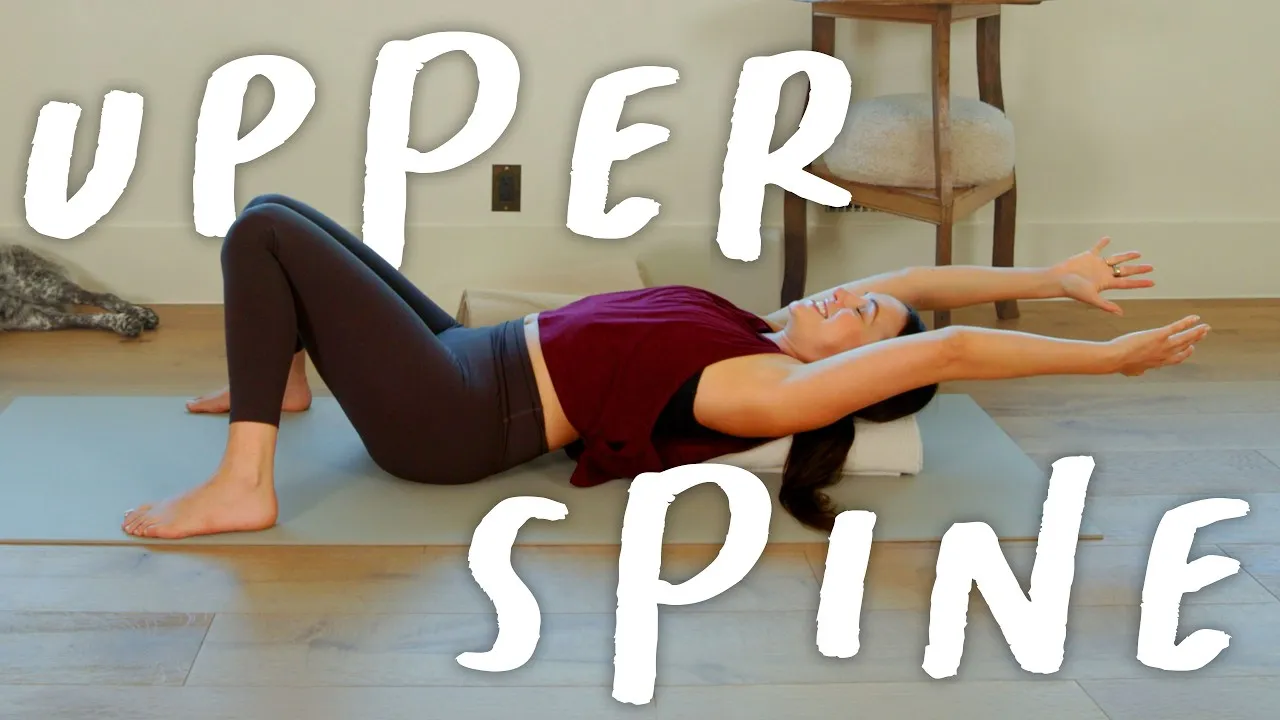
- Supported Chest Opener: Lying on a rolled blanket or block placed horizontally across the upper back can help passively open the chest and shoulders.
- Neck Rolls and Gentle Stretches: Slow, controlled movements of the head and neck to improve mobility and release tension.
The emphasis is on moving with intention and listening to your body, using the breath to deepen the stretches and support the movements. The goal is to cultivate a sense of ease and strength, helping you to stand taller and feel more aligned.
Consistency is Key
Like any physical practice, the benefits of yoga for posture are most pronounced with regular engagement. Aiming for short, consistent sessions rather than infrequent long ones can yield significant improvements over time. Even 10-15 minutes a few times a week can make a difference in counteracting the effects of prolonged sitting and screen time.
Who Can Benefit?
This type of yoga practice is beneficial for almost anyone experiencing the effects of modern-day posture, including:
- Office workers and individuals who spend long hours at a desk.
- Frequent drivers.
- Students who spend a lot of time studying or on their devices.
- Anyone experiencing stiffness or discomfort in their upper back and neck.
- Individuals looking to improve their overall posture and body awareness.
It is generally suitable for all levels, from beginners to experienced practitioners, as the focus is on gentle, mindful movement. Modifications can be made to suit individual needs and physical limitations.
Important Considerations and Disclaimer
It is crucial to approach any new exercise program with awareness and care. Yoga With Adriene, LLC, recommends consulting with your physician before starting any new exercise routine, especially if you have pre-existing health conditions or concerns related to your spine or neck.
Always listen to your body during practice. If you experience any pain, stop the movement and rest. This information is intended for educational purposes and does not constitute medical advice. Engaging in any exercise program involves the possibility of physical injury, and by participating, you assume all risks associated with your voluntary participation.
Key Health Takeaways
- Modern lifestyles, particularly prolonged screen time, can lead to “neck hump” posture, characterized by forward head and rounded upper back.
- Yoga offers a gentle yet effective way to improve posture by increasing flexibility, strengthening upper back muscles, and enhancing body awareness.
- Targeted yoga sequences can help release chest and neck tension and improve spinal mobility.
- Consistency is key; short, regular practice sessions are more beneficial than infrequent long ones.
- Always consult a healthcare professional before starting a new exercise program and listen to your body to avoid injury.
Source: Yoga for Neck Hump | Upper Spine Posture (YouTube)