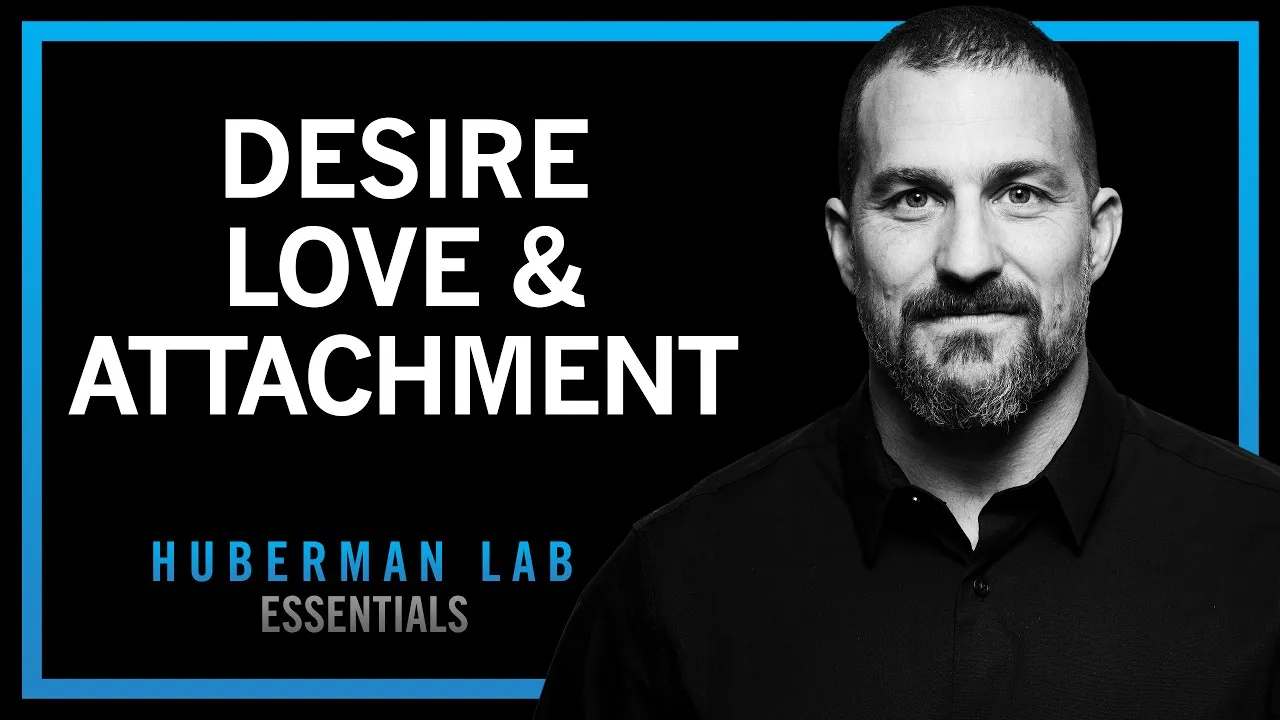
Understanding the Science Behind Love, Desire, and Attachment
The intricate dance of love, desire, and attachment, fundamental aspects of the human experience, are deeply rooted in our biology and psychology. Andrew Huberman, a professor of neurobiology and ophthalmology at Stanford School of Medicine, delves into the scientific underpinnings of these powerful emotions, offering insights into how our early life experiences shape our adult relationships and how we can foster healthier connections.
Attachment Styles: Childhood Blueprints for Adult Love
A cornerstone of understanding adult relationships lies in the concept of attachment styles, first illuminated by the groundbreaking research of Mary Ainsworth in the 1980s. Through her “strange situation task,” Ainsworth observed how toddlers reacted to separation from and reunion with their caregivers. These observations categorized children into four primary attachment styles:
- Secure Attachment: Children with a secure attachment explore their environment confidently, show distress when their caregiver leaves, but are readily soothed and express joy upon their return. This style reflects a belief in the caregiver’s availability and responsiveness.
- Anxious-Avoidant (Insecure Attachment): These children do not display significant distress during separation and show little overt joy upon reunion, often maintaining emotional distance.
- Anxious-Ambivalent/Resistant (Insecure Attachment): Characterized by distress even before separation, these children are clingy and difficult to comfort when the caregiver returns.
- Disorganized/Disoriented: These children exhibit unpredictable and often contradictory behaviors in response to separation and reunion, suggesting difficulty in forming a coherent attachment strategy.
Remarkably, these early attachment patterns are strong predictors of how individuals form romantic relationships later in life. The good news, Huberman emphasizes, is that these templates are not fixed and can evolve over time, particularly with awareness and understanding of their existence.
The Neural Orchestra of Connection
The brain doesn’t house a single “love” or “desire” center. Instead, these experiences emerge from the coordinated activity of multiple brain areas, creating a complex interplay that Huberman likens to a “song.” Key to this biological symphony are several interconnected systems:
The Autonomic Nervous System: The Body’s Emotional Seesaw
The autonomic nervous system (ANS) regulates our body’s involuntary functions and can be conceptualized as a seesaw. One end represents alertness and arousal, while the other signifies calm and relaxation. Early childhood interactions, particularly between a child and caregiver, involve navigating this seesaw. For instance, a caregiver’s ability to soothe a child during stressful events, like wartime bombings, directly influences the child’s physiological stress response. Children’s autonomic systems often mirror those of their primary caregivers, highlighting the profound impact of parental emotional regulation on a child’s development and long-term well-being.
Empathy: Matching Emotional Rhythms
Empathy, the ability to understand and share the feelings of another, is crucial for forming deep connections. This involves a process of “autonomic matching,” where one person’s physiological state influences another’s. Brain regions like the prefrontal cortex (involved in perception and decision-making) and the insula (responsible for interoception – sensing internal bodily states – and exteroception – sensing external stimuli) play vital roles in this empathic mirroring. The insula, in particular, helps us tune into our own bodily sensations while simultaneously processing those of another person.
Positive Delusions: The Glue of Lasting Relationships
Perhaps surprisingly, positive self-delusions play a significant role in relationship stability. This refers to beliefs like “only this person can make me feel this way.” Research by John and Julie Gottman, renowned relationship scientists, identifies “four horsemen of the apocalypse” that predict relationship failure: criticism, defensiveness, stonewalling, and contempt. Contempt, in particular, is a powerful predictor of breakups, as it directly opposes empathy and autonomic coordination, fostering a sense of scorn and disconnection.
The 36 Questions: Can You Ask Your Way to Love?
The widely publicized “36 Questions That Lead to Love,” featured in a 2015 New York Times article, explores the potential for deep connection through progressively intimate self-disclosure. While the idea of falling in love solely through answering questions might seem simplistic, the exercise facilitates vulnerability and narrative sharing. When individuals listen to each other’s personal stories, their physiological responses, such as heart rate, can synchronize. This shared experience, Huberman notes, can foster a sense of closeness and attachment, even in the absence of physical proximity.
Self-Expansion and Relationship Resilience
A study published in *Frontiers in Psychology* explored the concept of “self-expansion” – the feeling of personal growth and enhanced capability derived from a relationship. Researchers found that when individuals experienced self-expansion through positive affirmations and narratives from their partners, their perception of attractive alternative partners diminished. This suggests that feeling psychologically and emotionally “filled up” by a partner can strengthen commitment and reduce susceptibility to external attractions. The key appears to be narratives that highlight the partner’s unique contribution to an exciting, novel, and challenging relationship dynamic.
Hormones, Libido, and Desire
While often oversimplified, the roles of testosterone and estrogen in libido and desire are more complex. Both hormones, in coordination, are essential for sexual drive in both men and women. Contrary to popular belief, estrogen does not simply blunt libido; it plays a crucial role alongside testosterone. Similarly, while dopamine is associated with motivation and craving, simply increasing dopamine levels indiscriminately can disrupt the delicate balance required for sexual arousal and function, particularly the ability to engage the parasympathetic nervous system for physical response.
Supplements to Support Libido and Arousal
For individuals seeking to enhance libido and arousal, certain over-the-counter supplements have shown promise in scientific studies. It is crucial to consult with a healthcare professional before starting any new supplement regimen.
- Maca: Studies suggest that 2-3 grams of maca daily, consumed earlier in the day, can increase subjective reports of sexual desire in both men and women, independent of hormonal changes.
- Tongkat Ali (Longjack): This herb, particularly the Indonesian variety, has been studied for its potential to increase free testosterone levels by influencing its binding to proteins in the bloodstream.
- Tribulus: While research is ongoing, Tribulus is another supplement sometimes explored for its potential effects on libido.
These supplements are not a substitute for a healthy relationship dynamic, but they may offer support for those experiencing low libido. The science of love, desire, and attachment underscores the interconnectedness of our minds, bodies, and relationships, offering pathways to deeper understanding and more fulfilling connections.
Disclaimer: This article is for informational purposes only and does not constitute medical advice. Always consult with your doctor or a qualified healthcare provider before making any decisions related to your health or treatment.
Source: The Science of Love, Desire & Attachment | Huberman Lab Essentials (YouTube)